Lower contamination risk
Enclosed conveying and sealed tanks reduce exposure to dust, insects, and airborne microbes—supporting sanitation audits and lowering the chance of foreign matter complaints.

For food processors and sesame oil manufacturers, “quality” is not a slogan—it is a measurable outcome: lower impurities, less oxidation, more stable aroma compounds, and higher retention of naturally occurring antioxidants. A modern closed-loop (enclosed) sesame oil production line is designed precisely for these outcomes by isolating the product from airborne contaminants, reducing oxygen exposure, and enforcing tighter control over temperature, moisture, and residence time across the process.
Below is a practical, engineering-oriented walkthrough—from raw sesame selection to filtration and mild refining—showing where purity is won (or lost), and how enclosed systems help align production with common export expectations such as HACCP and ISO 22000 frameworks.
High-end filtration cannot “fix” inconsistent seeds. In commercial sesame oil, a large share of downstream issues—darkening, off-notes, high sediment load, fast peroxide rise—can be traced back to raw material variability. A closed-loop line typically performs better because it is built to handle controlled inputs rather than constantly compensating for unknowns.
| Parameter | Recommended Range | Why it matters for purity & nutrition |
|---|---|---|
| Seed moisture | 6.0–8.0% | Reduces hydrolysis risk; supports stable pressing and clearer oil. |
| Foreign matter | ≤ 0.5% | Less wear, lower sediment load, fewer discoloration precursors. |
| Damaged/moldy seeds | As low as possible; target ≤ 1% | Helps prevent off-odors; slows oxidation acceleration. |
| Initial peroxide value (oil basis) | ≤ 5 meq O2/kg | Better starting point for shelf stability and antioxidant performance. |
In practice, combining supplier lots with a clear receiving checklist (moisture + impurity + sensory + quick oxidation markers) often yields more quality improvement than any single equipment upgrade.
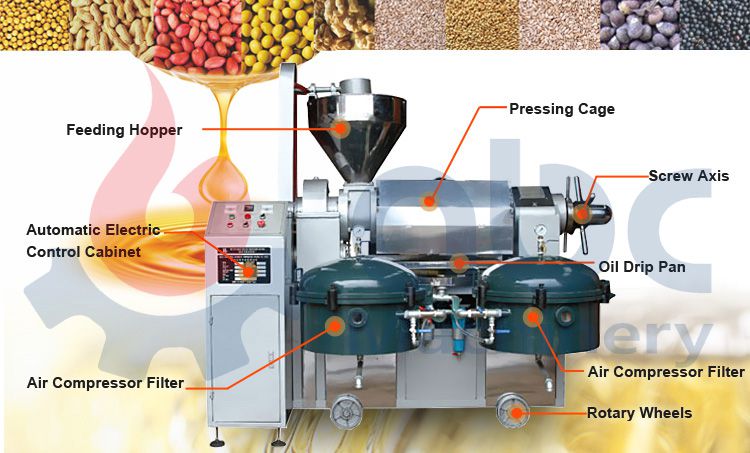
Purity is not only “what you filter out later”; it is also what you prevent from dissolving into oil during processing. Fine dust, metal fragments, and sand can increase abrasion and generate micro-particles that are difficult to remove even with precision filtration. A closed conveying path from cleaning to conditioning reduces re-contamination—especially in humid climates or older plants with open transfer points.
Multi-stage cleaning (vibration screening + aspiration + destoner + magnet) reduces non-oil solids that become haze, sludge, and filter burden.
Uniform drying to a stable moisture window (often ~6–8%) improves pressing consistency and helps reduce free fatty acid formation over time.
Temperature control matters: gentle conditioning preserves aroma precursors and supports more predictable oil color.
A useful operational metric is press feed stability: when moisture and cleanliness are consistent, the press runs with fewer pressure spikes, which generally means fewer fines pushed into the oil stream.
Sesame oil’s nutritional and functional value is closely tied to native compounds such as sesamin, sesamolin, tocopherols, and phenolic antioxidants. While exact retention depends on cultivar and process settings, the general rule holds: oxygen + heat + time accelerates oxidation and degrades sensitive components.
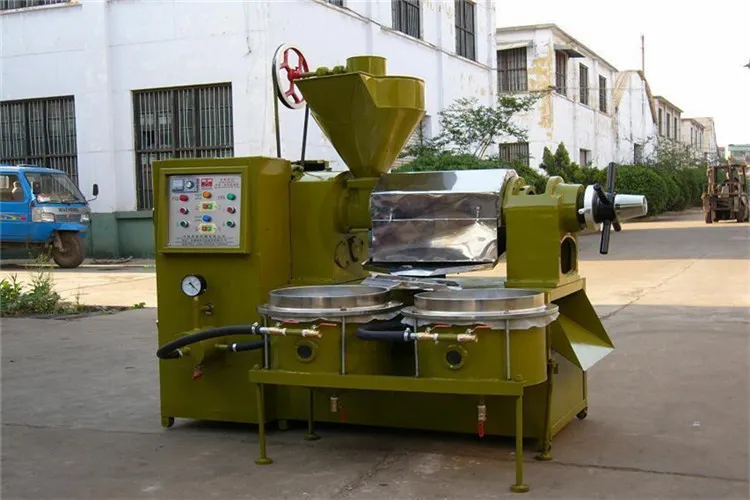
In open systems, oil is repeatedly exposed to ambient air at multiple drops, tanks, and transfer points. In an enclosed line, the product is transferred through sealed pipelines, enclosed screw presses, and covered buffer tanks—reducing oxygen contact and limiting dust ingress.
| Stage | Typical Control Target | Quality impact |
|---|---|---|
| Conditioning/tempering | ~40–60°C (process-dependent) | Helps oil flow while limiting thermal stress. |
| Pressing outlet oil temp | Often kept < 65°C for “low-temp” positioning | Supports better aroma and antioxidant retention. |
| Residence time in open tanks | Minimized; sealed buffer preferred | Less oxygen pickup; slower peroxide rise. |
Many producers observe that reducing oxygen exposure can translate into a noticeably slower increase in peroxide value (PV) during early storage. As a practical benchmark, a well-controlled enclosed line can help keep freshly pressed oil closer to ~2–6 meq O2/kg (varies by seed quality and handling), supporting longer stability before packaging.
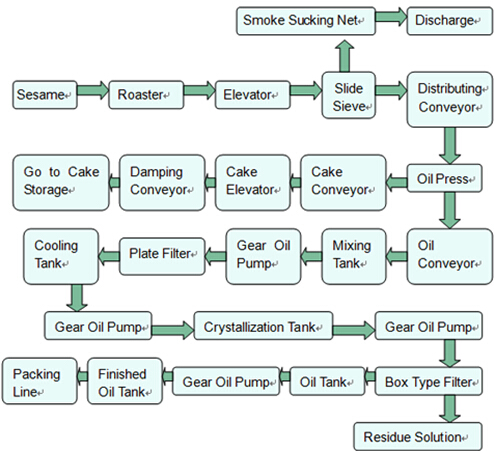
“Pure” sesame oil in the B2B sense typically means: low insoluble impurities, low moisture, stable color, clean aroma, and compliance-ready traceability. The technical challenge is removing haze-forming particles and pro-oxidants without over-processing the oil to the point where natural character is diminished.
| Indicator | Typical target (varies by market) | Operational lever |
|---|---|---|
| Insoluble impurities | ≤ 0.05–0.10% | Filtration surface area, media choice, feed stability. |
| Moisture & volatiles | ≤ 0.10–0.20% | Seed drying, sealed storage, gentle dehydration if used. |
| Peroxide value (PV) | Often ≤ 10 meq O2/kg for fresh oil specs | Low-oxygen design, temperature control, fast transfer, clean tanks. |
| Free fatty acids (FFA, as oleic) | Typically ≤ 2.0% (lower is better) | Seed quality, moisture management, storage hygiene. |
Where “refining” is required, many producers prefer mild, targeted steps (for example, controlled degumming or adsorption for trace contaminants) rather than aggressive processing that may reduce natural antioxidants. The exact pathway depends on the destination market’s specifications and the product positioning (cold-pressed, roasted aroma, ingredient grade, etc.).
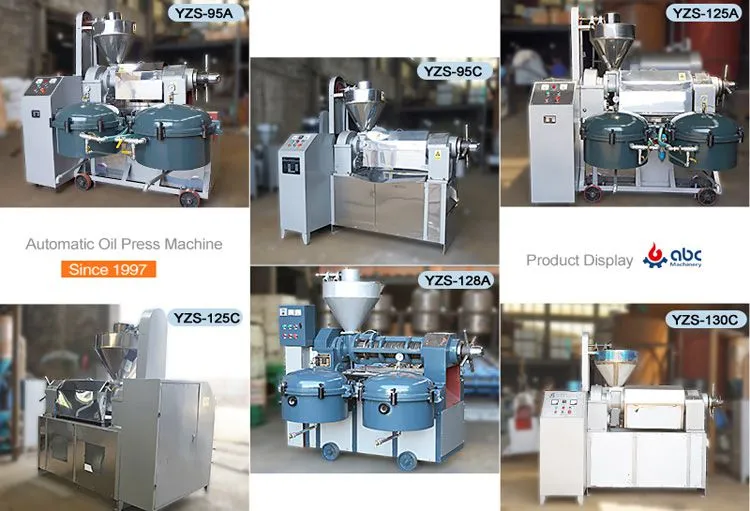
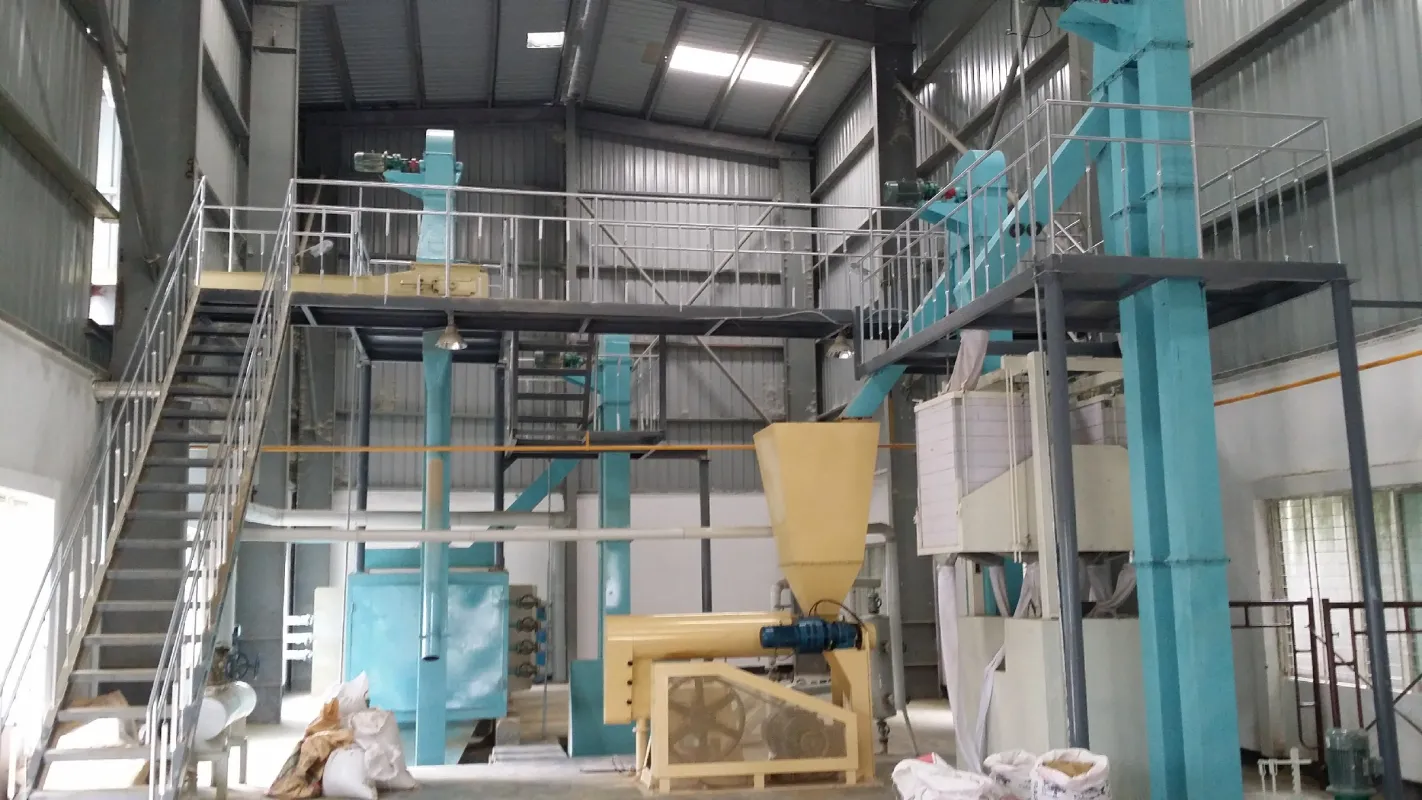
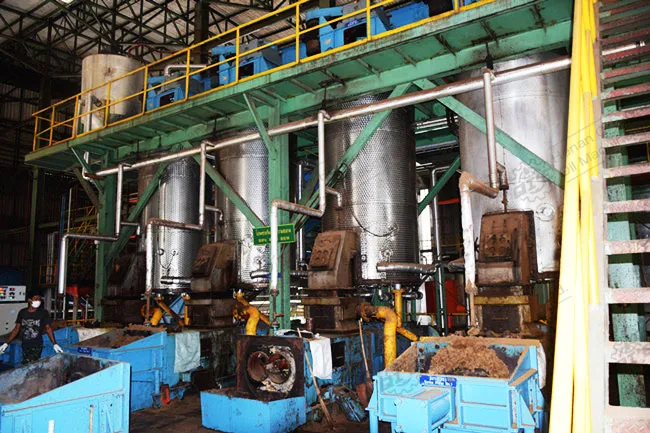
A closed-loop sesame oil line is not only “covered equipment.” It is a system architecture: sealed transfer, fewer open interfaces, sanitary valves, and cleaning logic that reduces variability. The benefits typically appear in three measurable areas.
Enclosed conveying and sealed tanks reduce exposure to dust, insects, and airborne microbes—supporting sanitation audits and lowering the chance of foreign matter complaints.
Less oxygen pickup during transfer and storage helps preserve aroma and antioxidants, while also slowing the formation of peroxides that can shorten shelf life.
When press fines are controlled and re-contamination is minimized, filtration differential pressure is more stable, filter runs are longer, and clarity is easier to standardize.
For export-oriented plants, these improvements translate into fewer deviations during routine checks and more predictable COA results—especially for moisture/volatiles, sediment, and oxidation indicators.
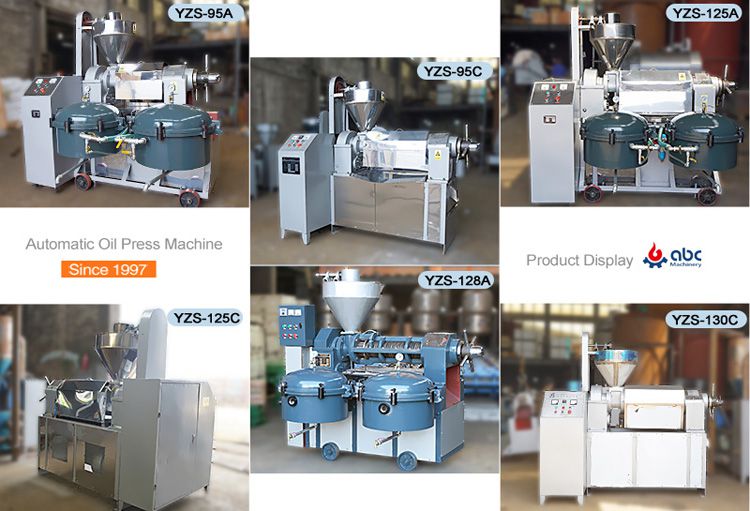
Energy efficiency is often discussed as a cost topic, but it also affects product quality. Unstable heating, excessive friction, and poor heat recovery can create temperature spikes that accelerate oxidation or darken oil. Modern enclosed lines frequently integrate energy-saving features that also improve process control.
If sustainability reporting is required, an enclosed line also makes it easier to quantify improvements—energy per ton processed, filtration media consumption, and reduced product loss from rework or quality holds.
Closed-loop equipment is powerful, but the real advantage comes when it is paired with a clear control plan. For many manufacturers, aligning with HACCP principles and ISO 22000 style documentation is the fastest path to consistent export-grade outcomes—without making the operation bureaucratic.
A subtle but high-impact habit is trend tracking rather than “pass/fail” thinking. When PV, FFA, or sediment trends drift, the source is often found upstream—seed storage conditions, a dryer setting, or an unsealed transfer point—long before it becomes a customer complaint.
Not every sesame oil is the same. Some buyers prioritize “clean label” and minimal processing; others prioritize ultra-clear appearance and long stability in distribution. A closed-loop line can be adapted for different goals by adjusting conditioning, pressing intensity, filtration stages, and optional mild refining steps.
| Target product | Typical focus | Closed-loop priority points |
|---|---|---|
| Cold/low-temp pressed sesame oil | Nutrients, aroma integrity | Low oxygen exposure, gentle temperature control, fast sealed transfer. |
| Ingredient-grade for food manufacturing | COA stability, repeatability | Standardized conditioning, consistent filtration, traceability-ready QC. |
| Retail bottling with high clarity expectation | Appearance, shelf stability | Polishing filtration, sealed storage, oxidation control during filling. |
When configured correctly, enclosed processing is less about “adding complexity” and more about reducing the number of uncontrolled variables that quietly erode oil purity and nutrient retention.
 398
|
398
|
 cold-heat dual-mode pressing
hydraulic pre-press oil machine
oilseed pressing optimization
improve oil yield
industrial hydraulic oil press
39
|
closed-system sesame oil production
export-grade sesame oil processing
sesame oil quality control
automatic sesame oil pressing line
low-temperature sesame oil pressing
110
|
sesame oil production line
sesame oil processing flow
sesame oil pressing machine operation
sesame oil filtration system
automatic sesame oil bottling line
320
|
closed sesame oil production system
sesame oil purity improvement
sesame oil contamination control
sesame oil filtration technology
international food safety compliance
423
|
medium screw oil press machine
screw oil press working principle
structural optimization for oil press stability
integrated preheating and pressing oil extraction
energy-efficient vegetable oil pressing
cold-heat dual-mode pressing
hydraulic pre-press oil machine
oilseed pressing optimization
improve oil yield
industrial hydraulic oil press
39
|
closed-system sesame oil production
export-grade sesame oil processing
sesame oil quality control
automatic sesame oil pressing line
low-temperature sesame oil pressing
110
|
sesame oil production line
sesame oil processing flow
sesame oil pressing machine operation
sesame oil filtration system
automatic sesame oil bottling line
320
|
closed sesame oil production system
sesame oil purity improvement
sesame oil contamination control
sesame oil filtration technology
international food safety compliance
423
|
medium screw oil press machine
screw oil press working principle
structural optimization for oil press stability
integrated preheating and pressing oil extraction
energy-efficient vegetable oil pressing