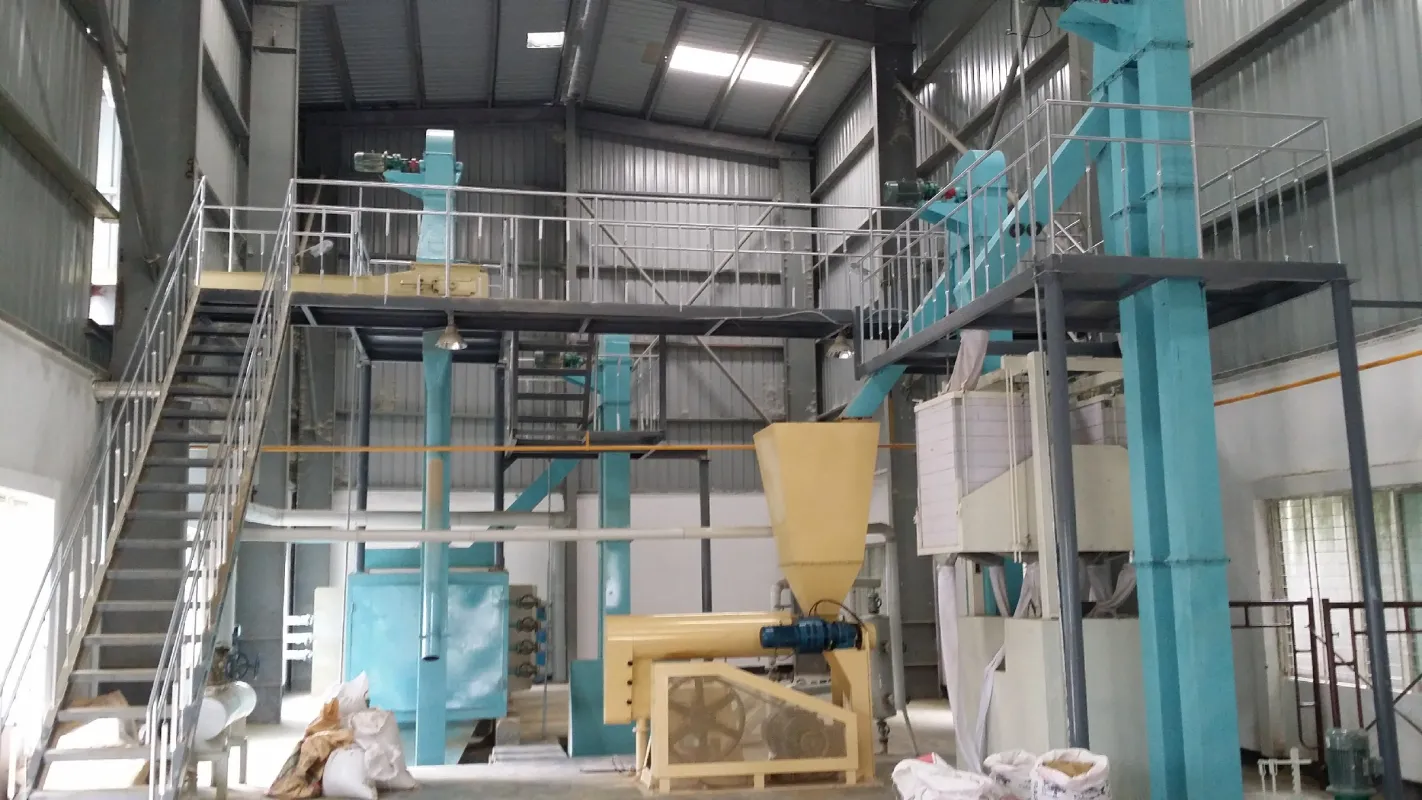
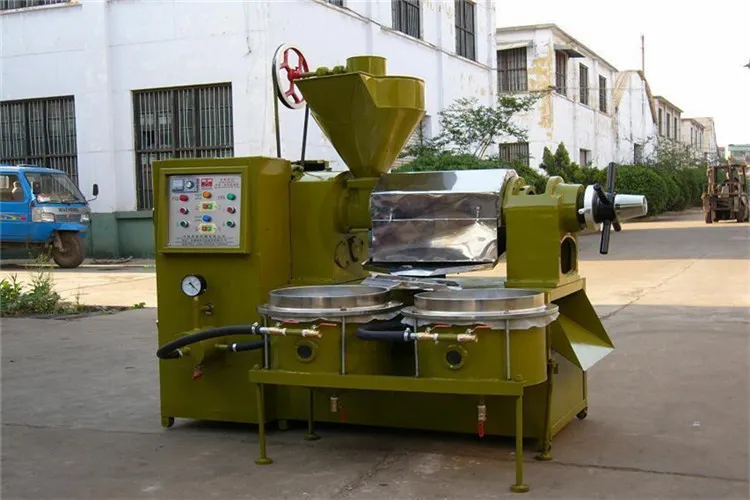
In international food trade, “purity” is not a marketing adjective—it is a measurable outcome tied to foreign body control, oxidation stability, microbial load, and process hygiene. Modern sesame oil plants increasingly rely on closed-loop (sealed) processing to meet stricter buyer audits and regulatory expectations, especially where HACCP, GMP, ISO 22000, and risk-based contamination control are non-negotiable.
Food manufacturers and importers typically evaluate sesame oil purity through four practical lenses. Each lens maps to a common production failure point—and a corresponding control point that a closed system can strengthen.
| Purity dimension | Typical indicator (reference range) | Common cause | Closed-loop advantage |
|---|---|---|---|
| Physical cleanliness | Insoluble impurities often targeted at ≤0.05–0.10% | Dust, fiber, meal carryover, open transfers | Sealed conveying + multi-stage filtration reduces re-entry of particulates |
| Oxidation control | Peroxide value (PV) often managed around ≤10 meq O2/kg | Air exposure, hot spots, long holding times | Lower oxygen contact; stable temperature reduces oxidative rise |
| Process hygiene | Lower microbial risk via moisture control and sanitation | Open bins, wet zones, inconsistent cleaning | Defined CIP/SIP design, fewer open-contact surfaces |
| Chemical/foreign contamination | Mineral oil risk, cross-contact residues, cleaning agent carryover | Unsealed pumps, shared lines, poor gasket/hoses | Food-grade sealing + isolated circuits reduce cross-contamination |
For many exporters, the “hidden” purity issue is not the press itself, but what happens between steps—open transfer points, manual scooping, exposed buffer hoppers, and uncontrolled air contact.
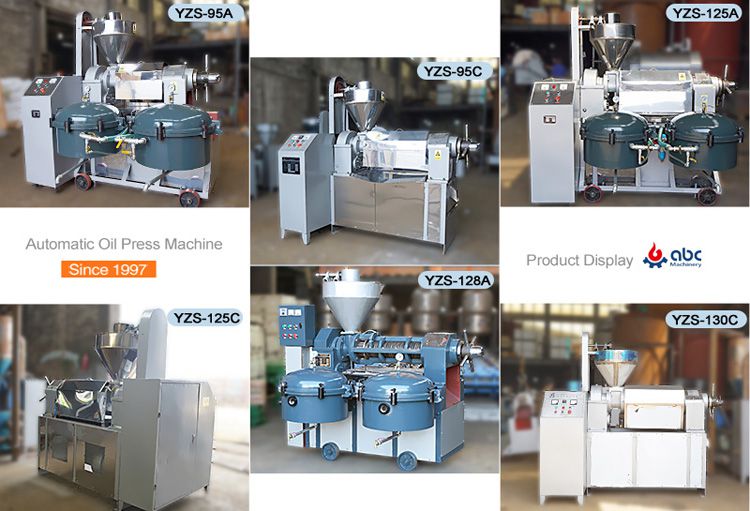
High-grade sesame oil is easier to produce when incoming seeds are consistent in moisture, cleanliness, and maturity. In practical procurement, many plants tighten acceptance to moisture around 6–8% before pressing (depending on local climate and storage time), because excess moisture can accelerate hydrolysis and increase the difficulty of downstream clarification.
Advanced plants also specify limits on stones, metal fragments, and light impurities, then enforce them with pre-cleaning + aspiration + de-stoning + magnetic separation. This reduces wear on the press and lowers the chance of black specks and sediment in the final oil.
Drying is not simply “removing water”; it is about stabilizing seeds so that pressing is efficient and the oil stays clean. Overheating can darken oil and increase oxidation markers; under-drying can raise emulsification and slow filtration.
A common modern approach combines gentle hot-air drying with closed transfer to avoid re-absorption of ambient humidity. In sealed systems, the conditioning silo can be designed with controlled exhaust and dust capture, reducing airborne contamination and improving housekeeping for audits.
Low-temperature (or “controlled-temperature”) pressing is often adopted when buyers prioritize a cleaner sensory profile and better nutrient retention. Many plants aim to keep press outlet temperature in a controlled range (commonly below ~60°C for low-temp lines, depending on design), which can help reduce thermal degradation and minimize burnt notes.
The purity benefit is operational: stable temperature and pressure reduce sudden surges of fine meal into oil, making filtration easier and lowering insoluble impurities. In a closed press-to-tank layout, oil can move via sealed piping to buffer tanks without open-air exposure.
While exact outcomes depend on sanitation and operator discipline, closed transfer and sealed tanks typically reduce “recontamination events” (dust ingress, tool contact, splashes, exposed holding) by 40–70% compared with open intermediate handling in mixed-layout workshops, based on common factory audit findings and hygiene risk mapping.
| Control point | Open transfer (typical risk) | Closed-loop transfer (typical risk) |
|---|---|---|
| Seed conveying | Dust exposure; spillage cleanup | Enclosed conveyors; dust captured |
| Oil transfer to settling/filtration | Open buckets/hoppers; higher air contact | Sealed pumps/pipes; minimal oxygen |
| Intermediate storage | Open tanks; manual sampling; inconsistent lids | Sealed tanks; sanitary ports; controlled venting |
If pressing determines how much oil is produced, filtration determines whether the market will accept it. In export-oriented operations, filtration is usually treated as a system—not a single machine. A robust setup often includes:
The closed-loop principle matters here because filtration performance collapses when oil is repeatedly exposed to ambient dust or when operators open housings frequently. Sealed filtration skids with sanitary connections, proper vents, and controlled draining reduce “secondary contamination,” which is a recurring cause of failed appearance checks in incoming QC at food factories.
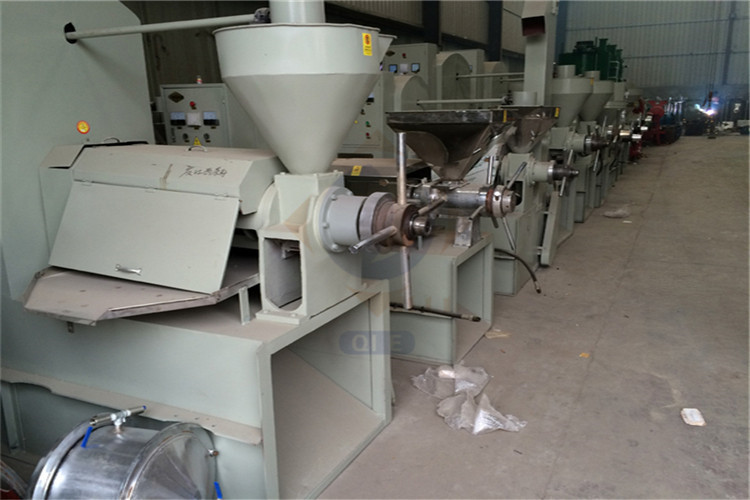
International standards rarely demand a specific brand of equipment, but they do demand proof of control. Closed-loop production supports that proof in three measurable ways: traceability, hygienic design, and repeatability.
A closed system can be designed around hygienic principles: smooth internal surfaces, minimized dead-legs, food-grade seals, and planned cleaning routes. Many exporters adopt CIP (clean-in-place) concepts on oil-contact sections to reduce manual disassembly and human-contact variability—two common audit red flags.
Foreign body management is increasingly documented with line maps: magnets, sieves, sealed pumps, and defined sampling points. In open layouts, each manual transfer point is a new interface to manage; in closed layouts, interfaces shrink, making preventive controls easier to validate and maintain.
Oxygen exposure is an invisible contaminant. By reducing splashing, free-fall transfers, and open-top storage, closed systems help stabilize PV and sensory freshness. In practice, plants that shift from open intermediate tanks to sealed tanks often observe PV drift slowing during holding, supporting longer export logistics without compromising acceptability.
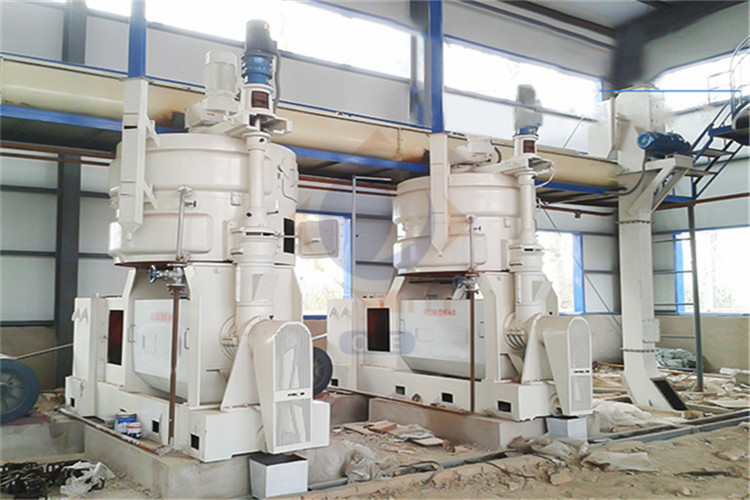
A closed-loop line performs best when supported by a testing plan that matches buyer expectations. Typical QC programs establish checkpoints at incoming seeds, post-press crude oil, post-filtration oil, and pre-filling/bulk loading.
| Stage | What to test | Why it matters |
|---|---|---|
| Incoming sesame | Moisture, impurities, odor, storage pests | Prevents instability and press contamination |
| Crude oil after pressing | Sediment level, basic PV trend, sensory check | Predicts filtration load and oxidation risk |
| After fine filtration | Insoluble impurities, clarity, color consistency | Directly impacts buyer acceptance |
| Before filling/loading | PV confirmation, documentation, sealed transfer integrity | Reduces claims and supports traceability |
For B2B buyers, “quality control” is also documentation: batch coding, cleaning records, preventive maintenance logs, and calibration evidence. Closed-loop lines simplify these records because the process is more repeatable and less dependent on individual operator habits.
Exporters often assume tighter hygiene means slower production. In reality, well-designed closed systems can improve both. Typical improvements observed when upgrading from semi-open workshops to integrated sealed lines include:
The best efficiency gains usually come from system integration: optimized conveying, stable feed rate, and filtration sized to match press capacity rather than operating as a bottleneck.
When a food manufacturer or distributor evaluates a sesame oil supplier, the questions are often operational. A production line that answers these questions clearly tends to pass audits faster:
For sesame oil plants targeting export growth, these questions are not only technical; they translate directly into fewer claims, fewer rejections, and more stable long-term contracts.
For producers upgrading toward export-grade compliance, a closed-loop pressing and filtration line is often the fastest way to stabilize clarity, reduce recontamination points, and standardize QC documentation across batches.
Explore high-efficiency closed-loop sesame oil pressing line solutionsLightweight next step: request a process layout suggestion based on capacity, filtration targets, and your local audit requirements.
 398
|
398
|
 cold-heat dual-mode pressing
hydraulic pre-press oil machine
oilseed pressing optimization
improve oil yield
industrial hydraulic oil press
239
|
energy-efficient sesame oil extraction equipment
closed-system sesame oil production line
automated sesame oil pressing machine
industrial sesame oil processing equipment
PLC-controlled oil extraction line
110
|
sesame oil production line
sesame oil processing flow
sesame oil pressing machine operation
sesame oil filtration system
automatic sesame oil bottling line
107
|
closed-system sesame oil production line
automated sesame oil pressing
sesame oil filtration technology
sesame oil quality control
energy-efficient oil processing equipment
88
|
energy-efficient sesame oil extraction equipment
closed-system sesame oil production line
automated sesame oil pressing machine
sealed hygienic oil processing system
modular sesame oil plant configuration
cold-heat dual-mode pressing
hydraulic pre-press oil machine
oilseed pressing optimization
improve oil yield
industrial hydraulic oil press
239
|
energy-efficient sesame oil extraction equipment
closed-system sesame oil production line
automated sesame oil pressing machine
industrial sesame oil processing equipment
PLC-controlled oil extraction line
110
|
sesame oil production line
sesame oil processing flow
sesame oil pressing machine operation
sesame oil filtration system
automatic sesame oil bottling line
107
|
closed-system sesame oil production line
automated sesame oil pressing
sesame oil filtration technology
sesame oil quality control
energy-efficient oil processing equipment
88
|
energy-efficient sesame oil extraction equipment
closed-system sesame oil production line
automated sesame oil pressing machine
sealed hygienic oil processing system
modular sesame oil plant configuration