In global B2B trade, sesame oil is no longer judged only by aroma and color. Importers, private-label buyers, and food manufacturers increasingly request traceable quality control, lower contaminant risk, stable sensory profiles, and documentation that fits modern compliance workflows. This is where a closed sesame oil production process moves from “nice to have” to essential for scaling export-quality output.
Buyers in markets such as the EU, North America, Japan, and the Gulf are tightening supplier audits and requiring stronger process control. In practical terms, that means sesame oil plants must prove they can consistently manage foreign matter, microbial risk, oxidation, and batch-to-batch variation—without relying on “end-of-line fixes.”
Reality from the field: Export-oriented buyers often evaluate not just the final product, but the system: sealed material transfer, hygienic design, filtration strategy, and whether your line can deliver stable parameters like moisture control and controlled heating. A closed line makes these “audit questions” easier to answer with evidence.
A well-designed fully automatic sesame oil production line can reduce unplanned quality deviations and improve repeat orders—especially in private-label projects where consistency matters as much as taste.
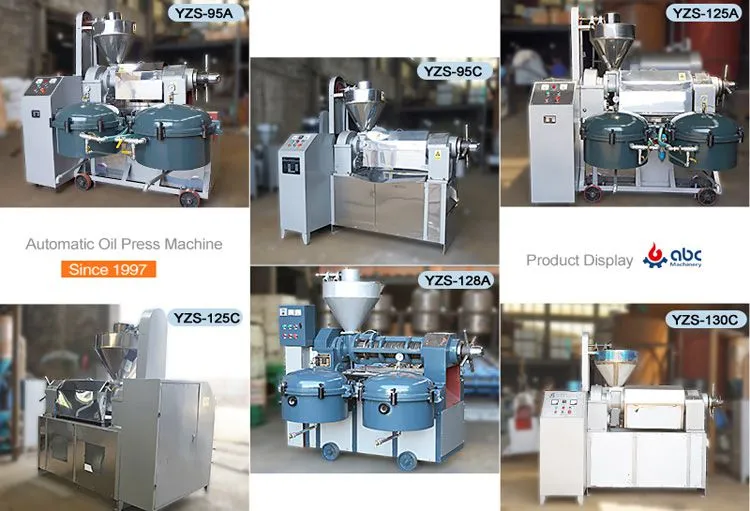
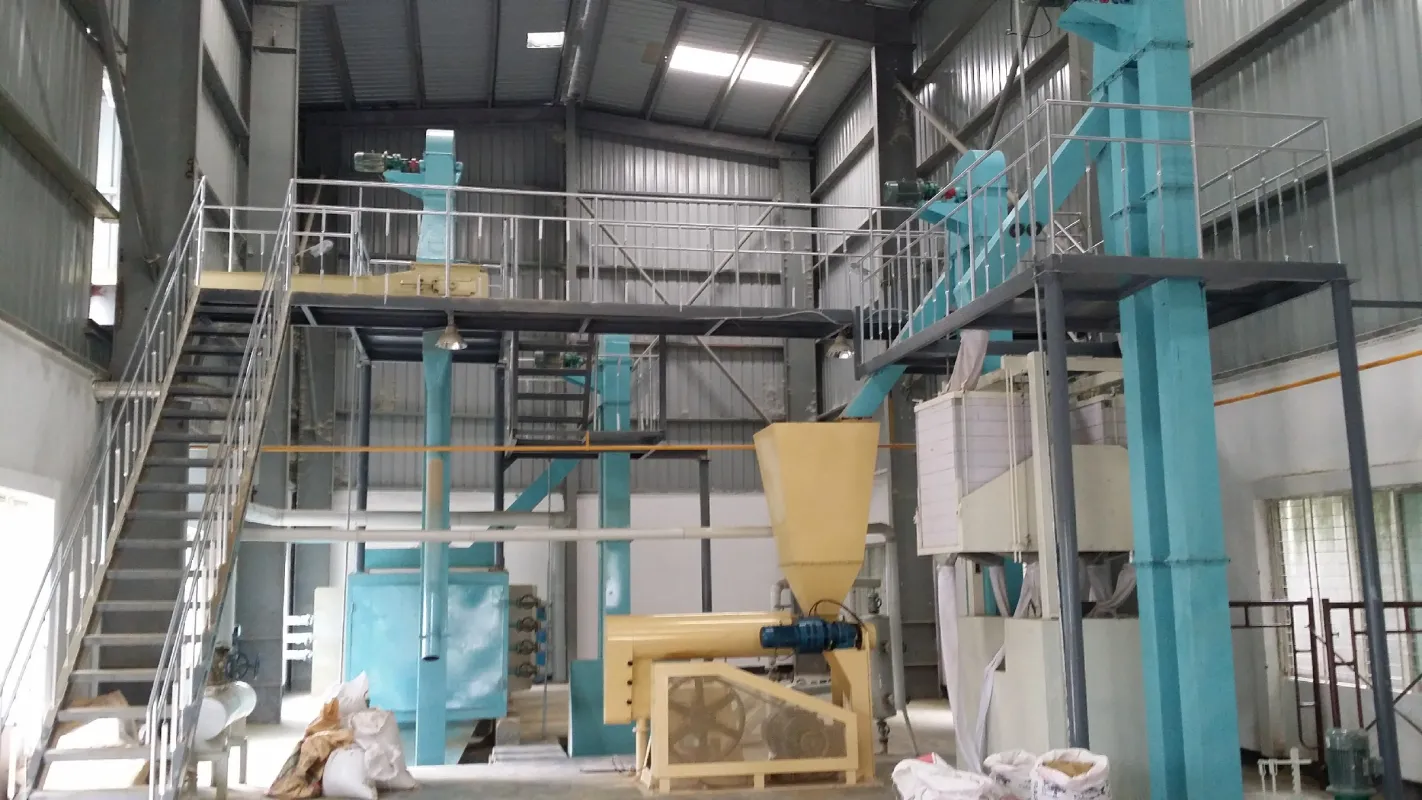
A “closed system” is not a marketing term—it’s a production logic. Instead of exposing seeds, meal, and crude oil to open air and manual transfer points, the line uses sealed conveying, enclosed processing modules, and controlled discharge. This directly reduces dust ingress, contact contamination, and oxidation hotspots.
Seed Reception → Screening & De-stoning → Washing → Drying → Roasting (optional) → Pressing (cold or hot) → Primary Clarification → Fine Filtration → Polishing Filtration → Storage (inert/closed) → Filling & Packing
Key control points: moisture after drying, roasting temperature curve, pressing temperature/pressure, filtration micron rating, peroxide value trend, and closed-tank oxygen exposure.
For export buyers, closed transfer and closed storage are frequently linked to lower oxidation risk. In many plants, shifting from open handling to sealed transfer can reduce exposure time of warm oil to air by 30–60%, which helps stabilize flavor and shelf-life performance.
In a sesame oil plant, pretreatment is where profitability and compliance begin. Stones, sand, metal fragments, and broken seeds not only affect equipment wear—they impact oil clarity and can create off-notes during thermal steps.
Export-focused lines typically combine screening, aspiration, and magnetic separation. When optimized, multi-stage cleaning can reduce foreign matter to <0.2% (typical target used by many industrial buyers), which supports stable filtration and lowers the risk of sediment in finished bottles.
Moisture control is critical for both yield and safety. Many processors aim for seed moisture around 6–8% before pressing (adjusted by seed type and process). Too high increases emulsification and cloudy oil; too low can reduce pressing efficiency and increase fine particles. A closed or semi-closed drying module with stable airflow improves repeatability across batches.
The “best” method depends on target market positioning: culinary aroma, functional nutrition, or industrial input. In practice, many exporters run two product lines: a low-temperature pressed sesame oil for premium retail and a controlled-heat version for stronger flavor profiles.
| Parameter | Cold Press (Low-Temp) | Hot Press / Roasted |
|---|---|---|
| Typical processing temperature | ~40–60°C in pressing zone (process-dependent) | Roasting often ~160–220°C with controlled time |
| Aroma profile | Cleaner, lighter, seed-forward | Stronger toasted aroma; preferred for some cuisines |
| Nutrient retention | Often higher retention of heat-sensitive compounds | More thermal transformation; depends on roasting control |
| Yield tendency | Moderate (may require process optimization) | Often higher yield due to improved oil flow |
| Buyer positioning | Premium retail, health-focused, clean label | Foodservice, ethnic cuisine, strong flavor demand |
A common export challenge is “good in one batch, slightly burnt in the next.” That usually comes from uncontrolled roasting curves or inconsistent seed moisture. Closed modules with recipe control (time/temperature) can sharply reduce these swings and protect a consistent sensory signature.
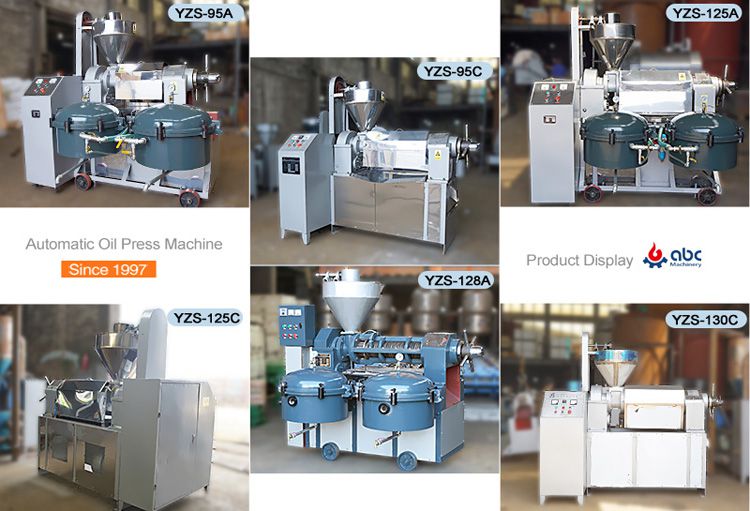
Filtration is often underestimated because the oil already “looks fine.” But for export-grade sesame oil, filtration is where you reduce haze, sediment, and micro-impurities that can shorten shelf life or create customer complaints months later.
Many modern plants use staged filtration—coarse clarification followed by fine filtration. A typical strategy is to move from larger particle removal to 1–5 micron polishing filtration (chosen based on viscosity and target clarity). With a stable filtration stack, finished oil clarity improves while filter media consumption becomes more predictable.
“Export disputes rarely start with a dramatic defect. They start with small, repeatable issues—fine sediment, unstable color, or an aroma shift after storage. Sealed transfer plus staged filtration is one of the fastest ways to increase buyer trust.”
— Quality & Process Engineering Consultant, Edible Oils Sector
The most credible exporters build QC into the process rather than “testing at the end.” A closed-loop quality system typically includes real-time checks, retained samples, and documented parameters that align with food safety expectations.
As a reference, many buyers expect peroxide value and FFA to remain stable during shelf-life verification; a closed, oxygen-managed storage approach can reduce the rate of oxidation drift, especially when oil is filled and packed in controlled conditions.

Sustainability requests are increasingly part of tender documents. The good news: many energy optimizations also improve product stability. Common upgrades in energy-saving edible oil equipment include variable-frequency drives (VFD) on motors, improved insulation on thermal modules, and heat recovery concepts in roasting/drying.
In real factory retrofits, combining efficient drying control and optimized pressing throughput can reduce electricity consumption by roughly 8–15% per ton of processed seed (site dependent). Sealed transfer also reduces housekeeping load—less dust, fewer stoppages, and less rework.
Not every exporter needs the same configuration. A private-label supplier might prioritize ultra-stable clarity and mild flavor; a foodservice exporter might need high throughput and strong roasted notes. Customization usually happens in four places: pretreatment depth, roasting module selection, pressing type, and filtration stack.
For companies building an export roadmap, starting with a modular closed system often reduces future upgrade cost: additional filtration, inert storage, or automation can be added without redesigning the full workshop layout.
Explore a practical, buyer-oriented approach to closed sesame oil pressing lines, hygienic transfer, staged filtration, and compliance-ready QC—designed for stable quality at scale.
Learn more about high-efficiency sesame oil production solutionsTypical request: line layout suggestion + process options for cold press / hot press + filtration recommendation based on your target market.
 239
|
239
|
 energy-efficient sesame oil extraction equipment
closed-system sesame oil production line
automated sesame oil pressing machine
industrial sesame oil processing equipment
PLC-controlled oil extraction line
110
|
sesame oil production line
sesame oil processing flow
sesame oil pressing machine operation
sesame oil filtration system
automatic sesame oil bottling line
423
|
medium screw oil press machine
screw oil press working principle
structural optimization for oil press stability
integrated preheating and pressing oil extraction
energy-efficient vegetable oil pressing
300
|
rice bran oil refining equipment
core component material selection
corrosion resistant stainless steel for edible oil plants
automated rice bran oil refinery line
edible oil equipment after sales service
88
|
energy-efficient sesame oil extraction equipment
closed-system sesame oil production line
automated sesame oil pressing machine
sealed hygienic oil processing system
modular sesame oil plant configuration
energy-efficient sesame oil extraction equipment
closed-system sesame oil production line
automated sesame oil pressing machine
industrial sesame oil processing equipment
PLC-controlled oil extraction line
110
|
sesame oil production line
sesame oil processing flow
sesame oil pressing machine operation
sesame oil filtration system
automatic sesame oil bottling line
423
|
medium screw oil press machine
screw oil press working principle
structural optimization for oil press stability
integrated preheating and pressing oil extraction
energy-efficient vegetable oil pressing
300
|
rice bran oil refining equipment
core component material selection
corrosion resistant stainless steel for edible oil plants
automated rice bran oil refinery line
edible oil equipment after sales service
88
|
energy-efficient sesame oil extraction equipment
closed-system sesame oil production line
automated sesame oil pressing machine
sealed hygienic oil processing system
modular sesame oil plant configuration