Closed-System Sesame Oil Production: Ensuring Purity and Nutrient Retention with Automated Pressing and Filtration
2026-02-26
Technical knowledge
This article provides a technical, end-to-end overview of modern sesame oil production, with a focus on how closed-system pressing lines help protect oil purity, safety, and nutrient retention. It explains key processing stages—from raw sesame selection, multi-stage screening, efficient washing, and controlled drying, to automated pressing under stable temperature and oxygen-managed conditions—highlighting the engineering logic behind each step. The discussion also details high-efficiency filtration and clarification strategies used to reduce sediments, limit oxidation, and improve sensory consistency, while supporting hygienic production through sealed conveying and minimal human contact. In addition, the article reviews energy-saving and environmentally responsible design choices (heat recovery, optimized motors, and dust control) that increase throughput and lower operating losses. Practical quality-control checkpoints, typical process risks, and maintenance-focused solutions are included, along with benchmark considerations aligned with international market expectations. A light reference is provided for readers who want to access a technical white paper or request process consultation for line design and compliance planning.

Sesame Oil Production Process Explained: How a Closed-Loop Pressing Line Protects Purity and Nutrients
Modern buyers of edible oils—importers, food manufacturers, and private-label brand owners—are no longer satisfied with “good aroma” alone. They ask for purity, nutritional retention, stable quality, and auditable process control. In sesame oil, where flavor compounds and natural antioxidants are sensitive to oxygen, heat, and contamination, the production line design matters as much as the sesame itself.
1) Raw Sesame Selection: The Quality Ceiling Is Set Here
A high-performance closed pressing line cannot “fix” poor raw material. Producers targeting export-grade sesame oil typically start with sesame lots that meet three practical thresholds: low foreign matter, controlled moisture, and consistent seed maturity. In industrial processing, even small variations can cascade into yield instability and filtration load.
Common incoming sesame targets used by export-oriented plants (reference ranges)
| Parameter |
Typical Control Range |
Why it matters |
| Foreign matter (stones, dust, stems) |
≤ 0.3–0.8% |
Reduces wear, lowers ash, improves sensory cleanliness |
| Moisture |
~ 5.0–7.0% |
Stabilizes pressing; helps avoid emulsions and excessive fines |
| Broken seeds |
As low as practical (often < 2–4%) |
Limits oxidation and reduces sludge during filtration |
| Perceived rancidity / off-odor |
None acceptable |
Off-notes amplify after heating and storage |
Note: Actual specs vary by country regulations, customer standards, and whether the oil is cold-pressed, roasted, or refined.
2) Cleaning & Washing: Removing What Your Filters Shouldn’t Fight
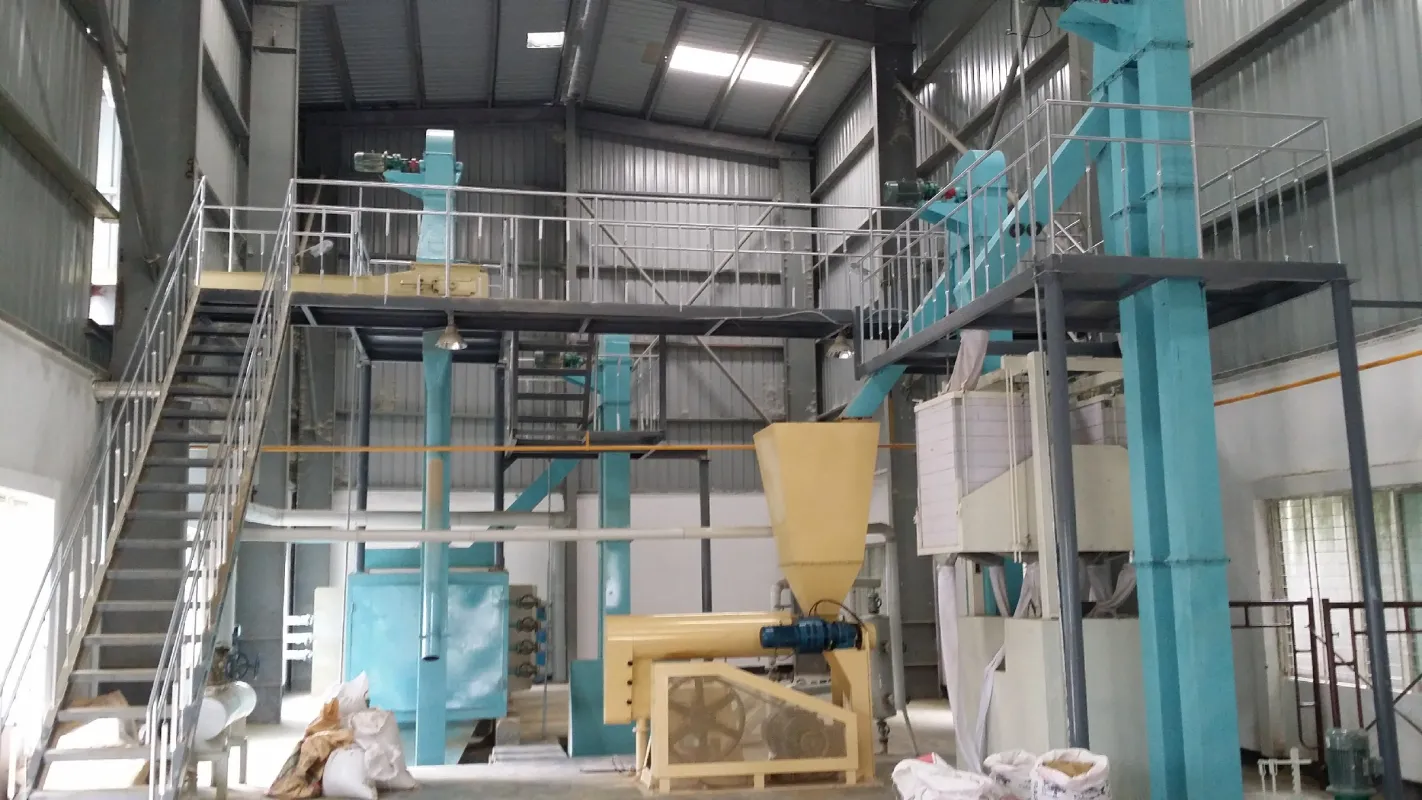
In sesame oil processing, the cleaning room is where stability begins. Efficient cleaning reduces micro-dust and hard impurities, lowering metal wear and improving oil clarity. Many plants combine: magnetic separation (ferrous), vibrating screens (size), destoners (density), and air aspiration (light impurities).
Washing is used selectively, especially when the sesame arrives with soil or processing dust. The key is not merely “washing more,” but washing fast and uniformly, then draining effectively to prevent moisture pockets that can promote microbial risk or pressing instability.
Practical throughput insight
In well-tuned lines, cleaning sections can remove 70–90% of non-seed impurities before pressing, which directly reduces filter cake volume and helps maintain stable flow in continuous filtration.
3) Drying & Conditioning: Moisture Control Is a Hidden Lever for Yield
After washing (or even after dry cleaning, depending on climate), controlled drying and seed conditioning protect both yield and flavor. Operators typically target moisture levels that support consistent cell rupture during pressing without producing excessive fines that later burden filtration.
Conditioning can also include gentle pre-heating. For roasted sesame oil, roasting profiles are engineered for aroma development; for “cold-pressed” positioning, temperature management is even stricter. Either way, advanced plants monitor temperature at multiple points and avoid uncontrolled hot spots that accelerate oxidation.
4) Closed-Loop Pressing Line: The Engineering Logic Behind Higher Purity
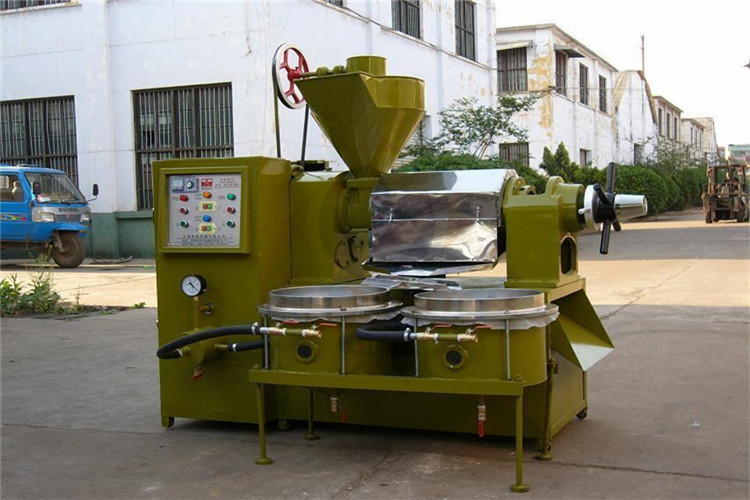
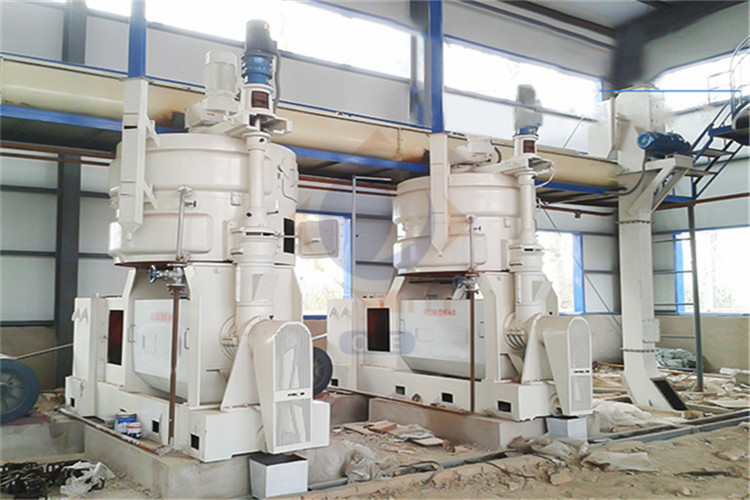
A closed-loop (enclosed) pressing line is not a marketing term—it is a process design that reduces the oil’s exposure to airborne dust, ambient oxygen, and cross-contamination. In open systems, oil trays, transfer buckets, and exposed pumps are frequent sources of particulate ingress and oxidative stress.
What “closed” typically includes in modern sesame oil pressing
- Sealed conveyors (screw/chain) to minimize dust and foreign ingress
- Enclosed pressing units with controlled vents and food-grade sealing
- Closed piping transfer from press to settling/filtration (no open oil pans)
- Inline screens/strainers to remove large solids early and protect pumps
- CIP-friendly layouts to shorten sanitation cycles and reduce residues
For buyers evaluating export readiness, the strongest value is consistency: once the line is closed and automated, operators rely less on manual handling, which improves batch-to-batch repeatability in color, sediment, and sensory stability.
5) Automated Pressing: Stabilizing Output, Not Just Increasing Capacity
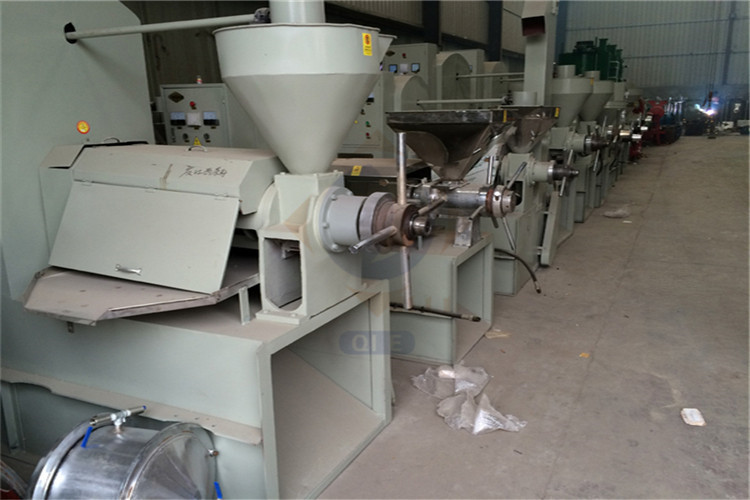
Modern automatic pressing systems focus on controllability: motor load, press temperature, feed rate, and cake thickness are monitored to keep extraction stable. In many industrial setups, well-managed pressing can reach a practical oil recovery of ~ 85–92% of the oil available in the seed (exact results depend on sesame variety, conditioning, and whether a second pressing is applied).
Automation also supports compliance: data logs (temperatures, run times, maintenance intervals) are increasingly requested by overseas customers and auditors as part of supplier qualification.
6) High-Efficiency Filtration: Clear Oil Without Stripping Its Character
Filtration is where “looks premium” and “stays stable” begin to converge. Sesame oil can carry fine solids and phospholipid-like colloids that cloud the oil or create sediment. A typical industrial approach is staged: settling/holding to reduce bulk solids, then pressure filtration (plate & frame or leaf filters), and finally polishing filtration if needed.
Filtration impact: what plants typically measure
| Quality indicator |
Typical plant target |
Why buyers care |
| Insoluble impurities |
Often ≤ 0.05–0.10% |
Lower sediment; better appearance in retail packs |
| Moisture & volatile matter |
Often ≤ 0.10–0.20% |
Improves shelf stability; reduces haze risk |
| Peroxide value (PV) |
Commonly < 10 meq O2/kg (fresh oil) |
Indicator of oxidation; critical for export storage |
| Free fatty acids (as oleic) |
Often 0.5–2.0% (depends on grade) |
Affects taste, smoke behavior, and refining need |
Values are typical reference ranges used in industry discussions; final acceptance criteria should follow destination market regulations and customer specs.
7) Quality Control in Real Production: Where Problems Usually Start
When a plant reports “sudden haze,” “increased sediment,” or “faster oxidation,” the root cause is often not a single machine but an interaction: moisture drifting upward after washing, press temperature creeping due to wear, or filtration media not matched to the solids profile.
Case snapshot: reducing sediment complaints in exported sesame oil
A mid-size producer shipping roasted sesame oil to overseas distributors faced recurring customer feedback: visible sediment after 3–5 weeks in warehouse conditions. The plant upgraded to a more disciplined closed transfer from press to filtration and introduced a two-step filtration schedule (primary pressure filtration followed by polishing).
After changes, internal checks showed insoluble impurities trending down from around 0.18% to 0.06%, and warehouse returns related to sediment dropped markedly within the next two shipping cycles. The biggest operational win was not only clarity—it was less downtime caused by unplanned filter clogging.
8) Energy-Saving & Environmental Design: Efficiency That Buyers Notice
Sustainability expectations are increasingly built into supplier selection. Closed systems naturally reduce oil loss and housekeeping waste; beyond that, many plants improve performance through heat recovery from conditioning/roasting, optimized motor control (VFD), and smarter scheduling to minimize start-stop losses.
In practical terms, energy optimization programs in edible oil plants often achieve 8–15% electricity reduction (site-dependent), while also improving workshop cleanliness—an overlooked factor that affects audit impressions and long-term equipment reliability.
9) Meeting International Expectations: More Than a Single Certificate
Importers and food factories usually evaluate sesame oil suppliers through a combination of process capability and documentation. Beyond sensory consistency, they expect traceability (batch coding), sanitation controls, and test reports aligned with destination requirements. For sesame-based products, allergen management and contamination prevention become part of the conversation early—especially for multi-product facilities.
A well-designed closed-loop pressing line supports these expectations by making the process easier to standardize: fewer open points, fewer manual transfers, and fewer opportunities for “invisible” contamination.
Need a technical benchmark for your sesame oil line upgrade?
For engineering teams and plant owners comparing enclosed pressing, filtration configurations, and sanitation-friendly layouts, a structured spec document saves weeks of back-and-forth and reduces costly misalignment during procurement.
Download the Closed-Loop Sesame Oil Pressing Line Technical White Paper
Includes reference process flow, typical QC checkpoints, and filtration selection notes used in export-oriented projects.