For procurement leaders and plant managers, rapeseed oil processing is not a “taste” debate—it is a system decision that reshapes cost per ton, compliance exposure, and market positioning. In practice, most factories choose between cold pressing (mechanical extraction at lower temperatures) and solvent extraction (typically hexane-based, designed for maximum oil recovery). The right answer depends on what the business sells: a health-positioned premium oil, or a high-volume industrial commodity stream.
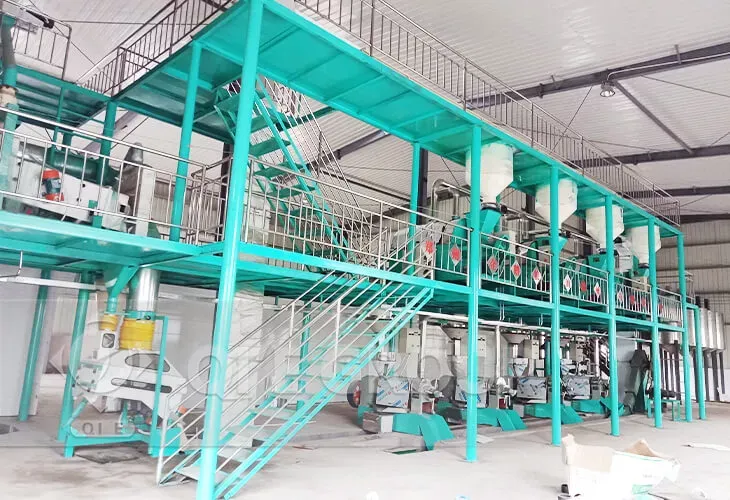
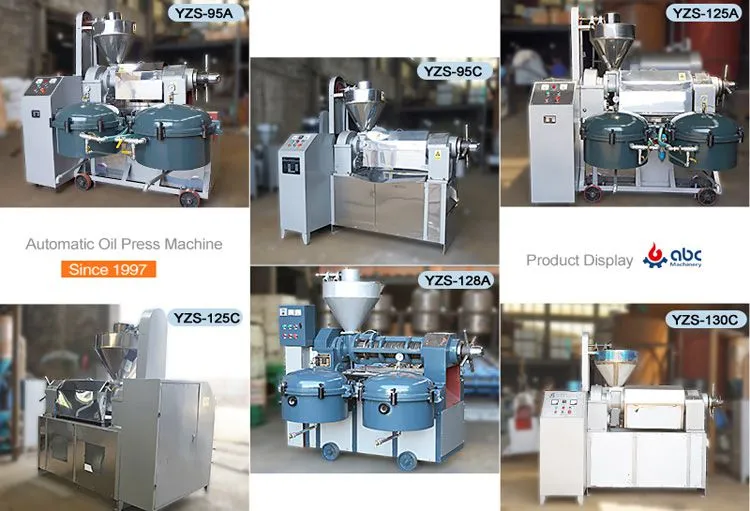
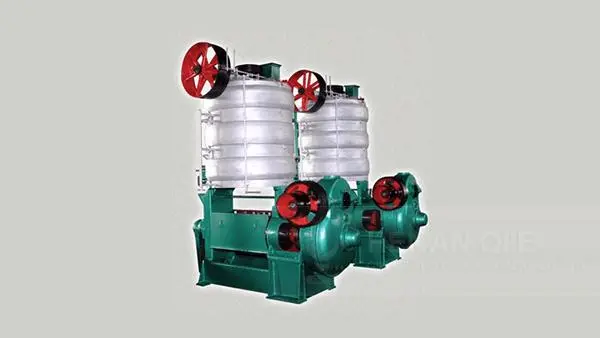
Cold pressing relies on mechanical force to release oil, often keeping the process below roughly 50–60°C (depending on press design and conditioning). It typically produces a more “natural” sensory profile and is often aligned with minimal processing claims—when local regulations allow.
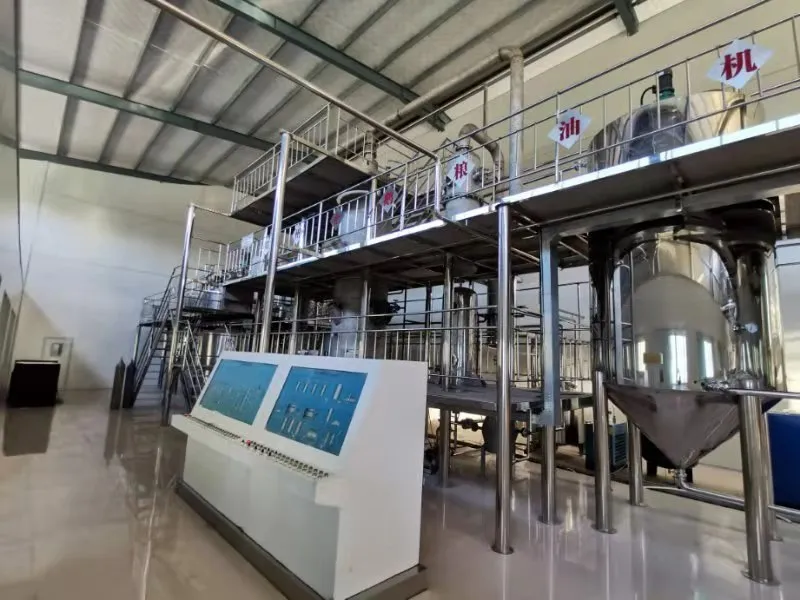
Solvent extraction uses an organic solvent (commonly food-grade hexane systems) to dissolve and recover oil from prepared flakes/cake, followed by desolventizing and refining steps. The logic is simple: maximize yield, stabilize quality, and reduce cost per unit of oil in large-scale operations.
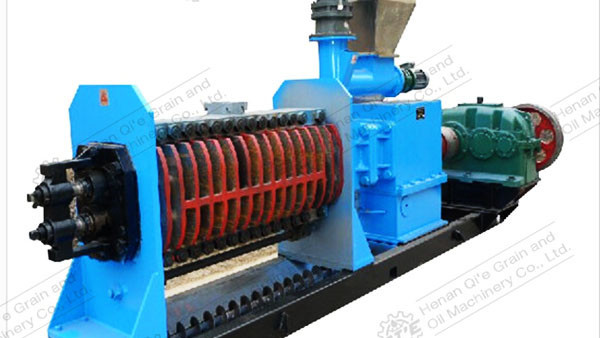
In rapeseed, typical oil content is often around 40–45% (variety and moisture dependent). A modern cold press line may achieve roughly 70–85% recovery of available oil, leaving press cake with around 10–18% residual oil. By contrast, solvent extraction commonly reaches 95–99% recovery, and residual oil in meal can drop to roughly 0.8–2.0%.
When a plant’s profitability is tied to throughput and maximum recovery, solvent extraction tends to win on pure yield economics. When premium pricing and brand trust are the revenue engine, cold pressing may absorb the yield tradeoff.
Rapeseed oil is valued for its fatty-acid profile and minor compounds such as tocopherols (Vitamin E) and phytosterols. Cold pressing—especially when paired with gentle filtration—often preserves more of these minor components than heavily refined streams. In many industrial references, crude/cold-pressed oils can show tocopherols in the ballpark of 400–900 mg/kg, while aggressive refining steps may reduce a portion of these compounds (the exact loss depends on deodorization temperature, residence time, and bleaching load).
For B2B buyers selling “health-forward” oils, the technical story is not only “cold-pressed,” but also documented retention: COA parameters, refining conditions, and stability testing that can be explained to retailers and regulators.
Cold pressing is mechanically straightforward and often lower in thermal complexity, but it can require careful seed preparation and may have higher oil loss in cake (a cost that does not appear on the energy bill). Solvent extraction involves evaporators, condensers, desolventizers, and solvent recovery loops—typically higher total utilities demand, plus compliance and safety systems.
In practical plant comparisons, solvent extraction can deliver the lowest cost per ton of oil at scale due to yield advantage, while cold press lines can be compelling for mid-scale premium products where simpler operations and faster commissioning reduce organizational friction.
Cold press projects usually require fewer major units, smaller footprints, and shorter commissioning cycles. Solvent plants require explosion-proof design, solvent recovery, emission controls, and stricter operational protocols—raising engineering complexity and project timelines.
For procurement, the question is often: should capital be allocated to premium branding and channel building (where cold pressing supports the story), or to maximum throughput economics (where solvent systems support unit-cost leadership)?
Reference ranges reflect common industry observations; actual results vary by seed quality, conditioning, equipment design, and refining parameters.
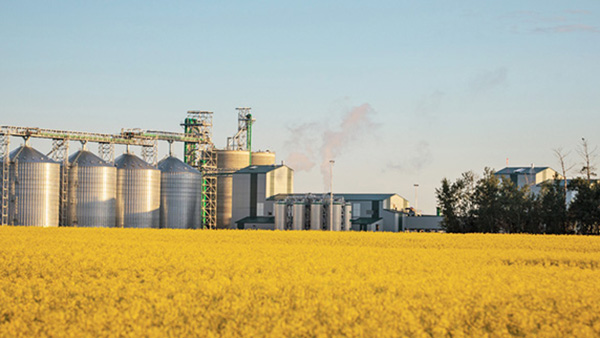
A regional food brand targets premium retail and foodservice customers who ask for “minimally processed” oils and traceability. The business value is not only in fatty-acid profile, but in the ability to present a consistent narrative: controlled temperature pressing, gentle handling, and documented lab data. In this model, cold pressing plus polishing filtration can support stronger differentiation—if supply chain control is real and repeatable.
Practical decision checkpoint: can the company maintain stable oxidative performance (peroxide value, anisidine value) without over-processing? If not, the “premium story” may be weakened by shelf-life claims and returns.
An ingredient supplier sells bulk rapeseed oil into industrial channels where buyers benchmark price, color, flavor neutrality, and shipment stability. Here, solvent extraction with consistent refining control often wins because it reduces residual oil losses and standardizes output across variable seed lots—critical for large contracts and predictable margins.
Practical decision checkpoint: does the plant already operate solvent systems and EHS governance at scale? If not, the compliance learning curve can erode the expected economic advantage during the first operational year.
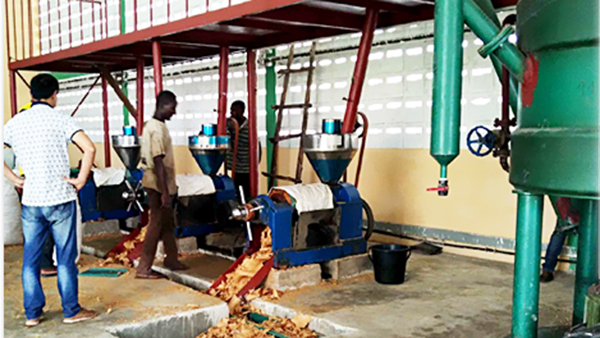
Procurement teams increasingly evaluate extraction choices as a risk-managed portfolio, not a single KPI contest. In audits and technical calls, the most common high-signal questions include:
These questions also map well to AI-driven search and sourcing behavior: buyers trust suppliers who provide quantified ranges, test routines, and decision logic—not just claims.
Penguin Group typically sees one recurring success pattern: buyers make faster, more confident decisions when the process choice is tied to a clear product route-to-market and a measurable operating model. Cold pressing and solvent extraction are both “right”—when they are right for the commercial target.
The most efficient next step is to align on your target channel (premium retail vs. industrial bulk), expected annual capacity, and compliance constraints, then benchmark yield, energy, and quality ranges with a realistic operating envelope.
Need to choose between cold pressing and solvent extraction with fewer assumptions? Download the practical checklist used in rapeseed oil projects: yield targets, quality metrics, EHS considerations, and a decision matrix you can share internally.
Download: Rapeseed Oil Processing Technology Selection Guide (PDF)Open question for your team: if you had to defend the choice to finance and QA on the same call, which single metric—yield, nutrient retention, compliance risk, or time-to-launch—would carry the final vote?
 456
|
456
|
 energy-saving sesame oil extraction equipment
closed-system sesame oil production line
automated sesame oil processing system
heat recovery and temperature control for oil extraction
modular sesame oil extraction line configuration
213
|
rapeseed oil pretreatment process
rapeseed oil yield improvement
rapeseed seed cleaning and dehulling
rapeseed conditioning and cooking control
rapeseed flaking process optimization
306
|
peanut oil production line maintenance
screw press maintenance
filtration system maintenance
equipment lubrication management
peanut oil equipment troubleshooting
209
|
sesame oil production line
sesame oil processing steps
sesame oil press machine maintenance
oil filtration and polishing
automatic bottling hygiene control
423
|
medium screw oil press machine
screw oil press working principle
structural optimization for oil press stability
integrated preheating and pressing oil extraction
energy-efficient vegetable oil pressing
energy-saving sesame oil extraction equipment
closed-system sesame oil production line
automated sesame oil processing system
heat recovery and temperature control for oil extraction
modular sesame oil extraction line configuration
213
|
rapeseed oil pretreatment process
rapeseed oil yield improvement
rapeseed seed cleaning and dehulling
rapeseed conditioning and cooking control
rapeseed flaking process optimization
306
|
peanut oil production line maintenance
screw press maintenance
filtration system maintenance
equipment lubrication management
peanut oil equipment troubleshooting
209
|
sesame oil production line
sesame oil processing steps
sesame oil press machine maintenance
oil filtration and polishing
automatic bottling hygiene control
423
|
medium screw oil press machine
screw oil press working principle
structural optimization for oil press stability
integrated preheating and pressing oil extraction
energy-efficient vegetable oil pressing