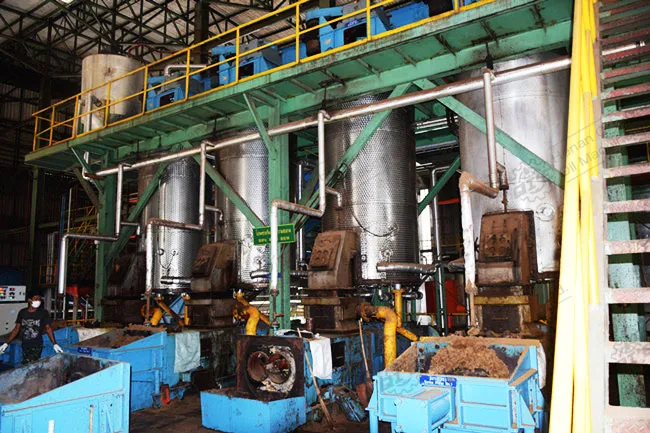
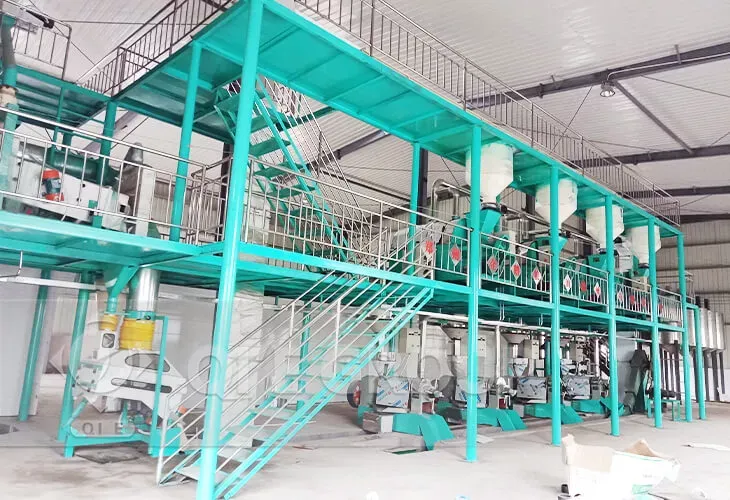
Planning a complete edible oil production line is not only about selecting individual machines—it is about designing a stable, safe, and scalable oil processing flow where each section connects smoothly: raw material pretreatment → pressing or solvent extraction → crude oil purification → refining → finished oil output & filling.
This page shares a practical planning logic used by Qi'e Grain and Oil Machinery Co., Ltd. (企鹅集团) to help investors, plant owners, and engineering teams clarify equipment configuration and integration points for new plant construction or capacity expansion—without overcomplicating the decision-making.
Before selecting machines, confirm the plant’s core inputs and outputs. Different oilseeds (such as soybean, sunflower, palm kernel, etc.) have different pretreatment needs and extraction behavior, which directly impacts the recommended line layout.
Pretreatment is the “front-end quality gate” of an edible oil production line. A well-planned pretreatment section improves extraction stability, reduces downstream load, and supports more consistent refining.
Planning tip: If you intend to expand capacity later, reserve layout space and routing corridors in pretreatment (e.g., for additional cleaning units or flakers). It is typically easier to scale the front-end early than to retrofit around a running extraction section.
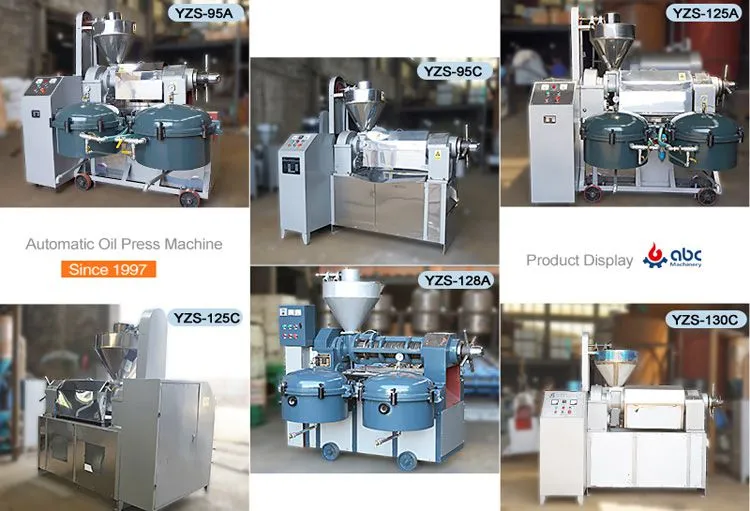
The extraction route determines the main equipment set, building requirements, and utility planning. In practice, many plants evaluate three options based on raw material characteristics, target throughput, and operational preferences.
Decision boundary: Do not decide extraction only by “machine price.” Consider the total line: building conditions, utilities (steam/electricity), safety management, staffing capability, and how the extracted crude oil will be purified and refined.
After extraction, crude oil typically contains suspended solids and process-related impurities. Planning an appropriate purification/filtration step helps stabilize feed quality into the edible oil refinery machine section and supports smoother refining operation.
Refining is where crude oil becomes a stable, consumer-ready product. When planning, focus on the required refining scope, plant hygiene zoning, and the utility/controls needed for steady operation. Qi'e Grain and Oil Machinery Co., Ltd. supplies edible oil refining equipment and supports line integration from upstream extraction to downstream filling.
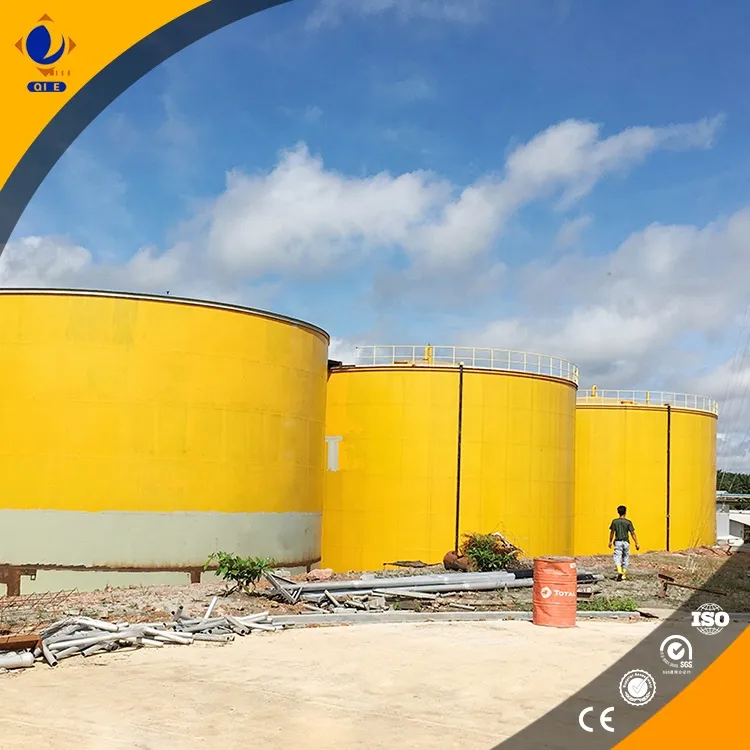
A complete edible oil production line ends with reliable output handling and filling. Planning should ensure that refined oil storage, final filtration (if required), and filling are arranged to protect product hygiene and simplify logistics.
When configuring equipment, treat the line as a continuous system instead of independent purchases. The goal is consistent flow, stable temperature management, and predictable material handling from section to section.
As a grain and oil machinery manufacturer focused on oil pressing equipment, oil production line equipment, and edible oil refining equipment, Qi'e Grain and Oil Machinery Co., Ltd. (企鹅集团) provides process-oriented support that connects engineering intent with practical equipment configuration.
If you are building a new plant or upgrading an existing one, a complete edible oil production line plan should start with the process flow, then lock in the equipment configuration section by section—from pretreatment and extraction to refining and filling—so the entire line runs as one coherent system.
 91
|
91
|
 Qi'e Grain and Oil Machinery Co., Ltd.
overseas edible oil processing project case
complete oil processing equipment
commissioning and start-up
quality control in edible oil production
92
|
rapeseed oil refining process
degumming deacidification bleaching deodorization
refined rapeseed oil quality control
vitamin E tocopherol retention in refining
EU FDA compliance for edible oils
43
|
closed-system sesame oil production
export-grade sesame oil processing
sesame oil quality control
automatic sesame oil pressing line
low-temperature sesame oil pressing
315
|
rapeseed oil pretreatment process
rapeseed oil yield improvement
seed cleaning and destoning
conditioning moisture temperature control
flaking process optimization
106
|
rice bran oil deacidification
physical refining vs chemical refining
rice bran oil bleaching process
bleaching earth adsorbent selection
oil purity improvement
Qi'e Grain and Oil Machinery Co., Ltd.
overseas edible oil processing project case
complete oil processing equipment
commissioning and start-up
quality control in edible oil production
92
|
rapeseed oil refining process
degumming deacidification bleaching deodorization
refined rapeseed oil quality control
vitamin E tocopherol retention in refining
EU FDA compliance for edible oils
43
|
closed-system sesame oil production
export-grade sesame oil processing
sesame oil quality control
automatic sesame oil pressing line
low-temperature sesame oil pressing
315
|
rapeseed oil pretreatment process
rapeseed oil yield improvement
seed cleaning and destoning
conditioning moisture temperature control
flaking process optimization
106
|
rice bran oil deacidification
physical refining vs chemical refining
rice bran oil bleaching process
bleaching earth adsorbent selection
oil purity improvement