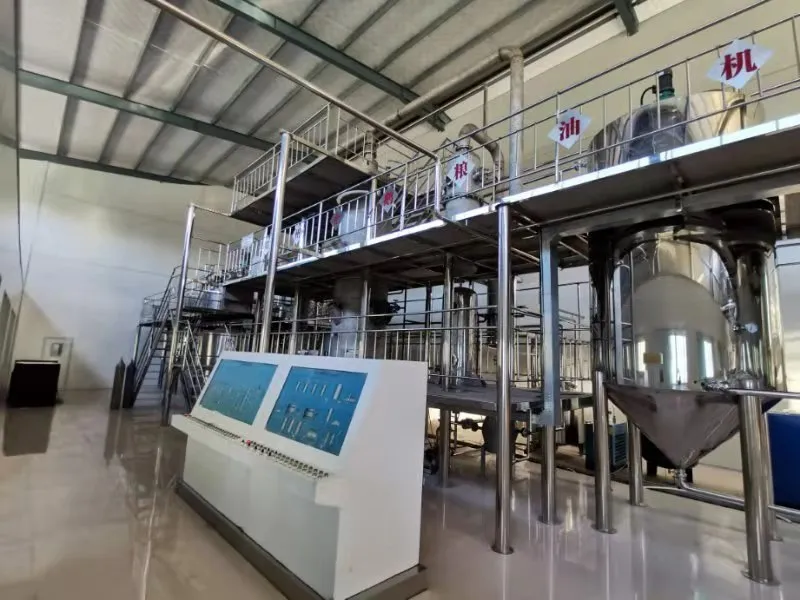
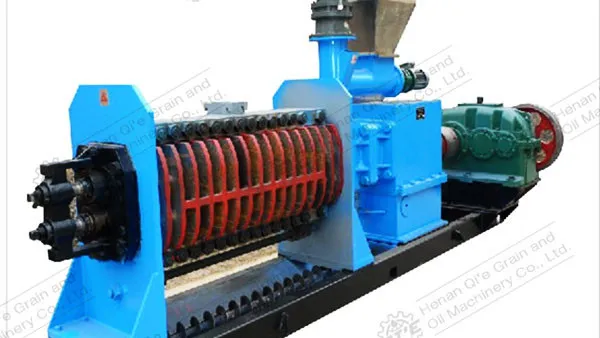
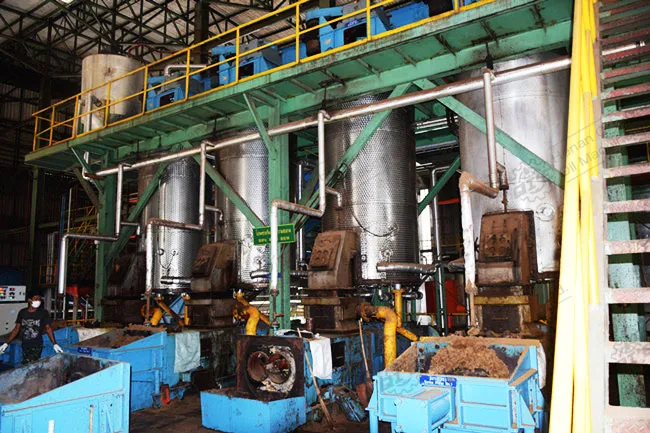
Selecting an edible oil processing line is not only about choosing machines—it is about matching your feedstock, target capacity, finished oil quality/refining standard, automation level, and investment budget into a workable project plan that can pass technical review and procurement evaluation.
Qi'e Grain and Oil Machinery Co., Ltd. (企鹅集团) provides oil pressing equipment, complete oil production lines, and edible oil refining equipment, supporting project owners, EPC/engineering teams, and processors with a structured approach for comparison and decision-making—especially for palm kernel, soybean, palm, and sunflower applications.
Different oils require different front-end handling and extraction logic. Feedstock drives the choice between mechanical pressing, solvent extraction, or a combined scheme, and it also impacts pre-treatment requirements.
Palm kernel
Typically involves targeted pre-treatment and stable pressing/extraction steps. Selection depends on kernel preparation, desired yield strategy, and refining needs.
Soybean
Commonly requires careful preparation (cleaning/conditioning) and is often evaluated for continuous operation and downstream refining quality targets.
Palm
Project planning usually emphasizes stable capacity, reliable process control, and refining/quality consistency for edible use.
Sunflower
Often focuses on oil quality and process cleanliness; line selection should consider pre-treatment and the intended refining depth.
Related equipment references from Qi'e Grain and Oil Machinery include: Palm Kernel Oil Production Line Equipment, Soybean Oil Production Line, Vegetable Oil Solvent Extractor, Sunflower Oil Extractor.
Capacity sizing should be based on your realistic operating schedule, raw material supply stability, and whether you want room for growth. Oversizing can increase idle cost; undersizing can create bottlenecks and quality variability.
The refining section is where “edible” specifications are achieved. To avoid mismatched investment, define the refining standard you must meet and whether you need crude oil, refined oil, or a flexible configuration.
Equipment reference: Edible Oil Refinery Machine.
Automation is a business decision as much as a technical decision. It affects labor structure, process consistency, traceability, and operational stability—especially when output and quality requirements tighten.
Lower to mid automation
Higher automation
If you are evaluating a compact setup, you may also reference: Mini Oil Mill Plant, Automatic Oil Press Machine, Multifunction Oil Press Machine.
For project approval, comparison should go beyond the purchase price. A practical evaluation includes energy/consumables, maintenance accessibility, spares strategy, and commissioning scope.
Define feedstock, capacity, and required refining standard first, then compare line options by utilities, automation, and budget readiness for approval.
Re-check bottlenecks across pre-treatment, extraction, refining, and storage; reserve footprint and align new modules with existing controls.
Focus on refining configuration, utilities planning, and process control requirements to meet your intended market’s compliance expectations.
As a specialized manufacturer of oil pressing equipment, oil production line equipment, and edible oil refining equipment, Qi'e Grain and Oil Machinery supports B2B customers with:
For accurate selection and proposal preparation, it is recommended to share: feedstock type and condition, target capacity, refined/crude requirement, utilities (power/steam/water), automation preference, and site layout constraints.
Explore related solutions: Cold Press Oil Machine and Solvent Extraction Equipment.
 289
|
289
|
 palm oil production line automation
temperature pressure flow control
PLC control logic programming
control loop design and PID tuning
valve response delay troubleshooting
342
|
rice bran oil deacidification equipment
high-efficiency deacidification system
rice bran oil bleaching technology
energy-saving rice bran oil refining line
edible oil purification equipment
93
|
rapeseed oil refining process
degumming deacidification bleaching deodorization
refined rapeseed oil quality control
vitamin E tocopherol retention in refining
EU FDA compliance for edible oils
459
|
Qi'e Grain and Oil Machinery Co., Ltd.
grain and oil machinery turnkey solution
turnkey oil mill plant delivery
process design and equipment selection
installation commissioning and technical service
389
|
Qi'e Grain and Oil Machinery Co., Ltd.
complete set of grain and oil machinery
oil pressing equipment
edible oil refining line
turnkey oil production line solution
palm oil production line automation
temperature pressure flow control
PLC control logic programming
control loop design and PID tuning
valve response delay troubleshooting
342
|
rice bran oil deacidification equipment
high-efficiency deacidification system
rice bran oil bleaching technology
energy-saving rice bran oil refining line
edible oil purification equipment
93
|
rapeseed oil refining process
degumming deacidification bleaching deodorization
refined rapeseed oil quality control
vitamin E tocopherol retention in refining
EU FDA compliance for edible oils
459
|
Qi'e Grain and Oil Machinery Co., Ltd.
grain and oil machinery turnkey solution
turnkey oil mill plant delivery
process design and equipment selection
installation commissioning and technical service
389
|
Qi'e Grain and Oil Machinery Co., Ltd.
complete set of grain and oil machinery
oil pressing equipment
edible oil refining line
turnkey oil production line solution