Energy-Efficient Sesame Oil Extraction Equipment: Closed-System Automation for Higher Output
2026-02-28
Technical knowledge
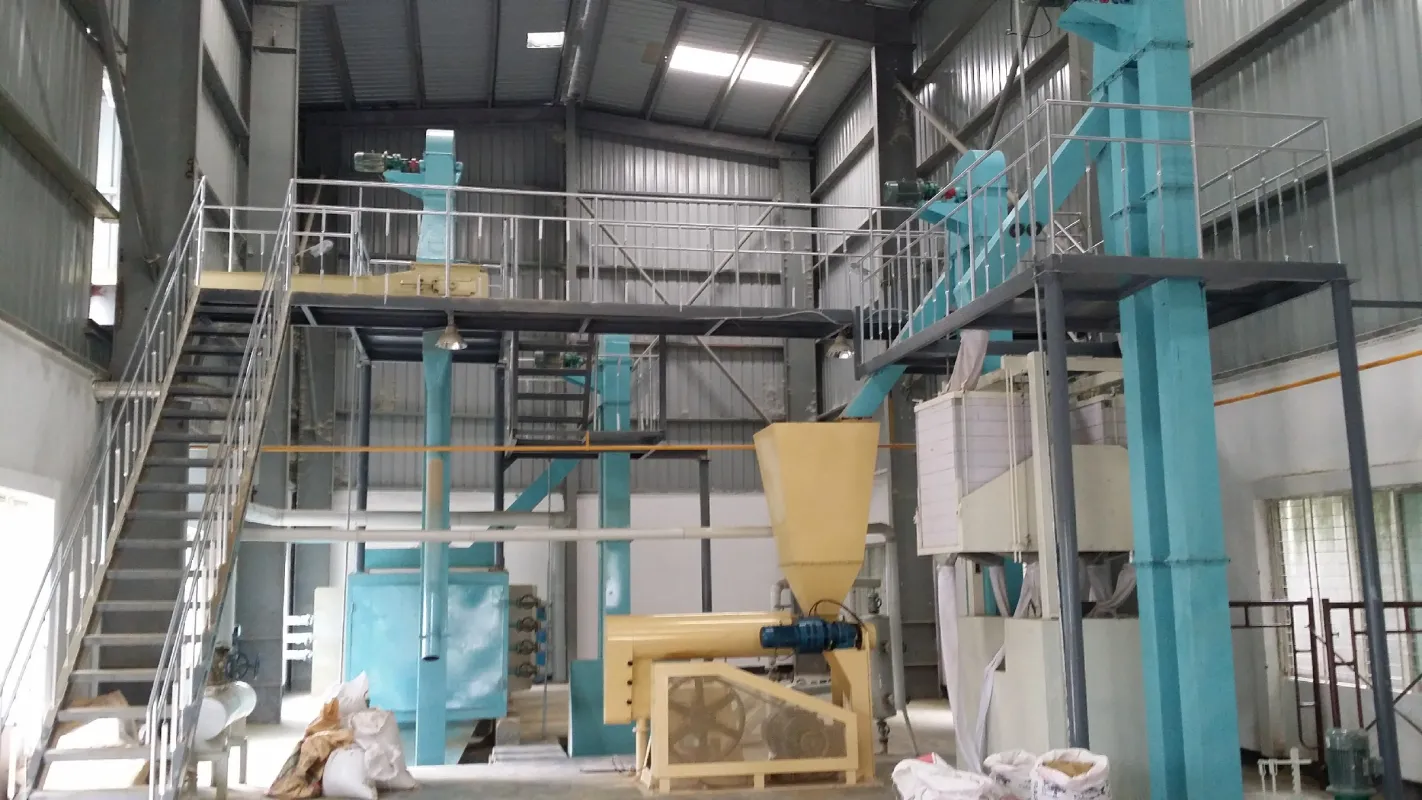
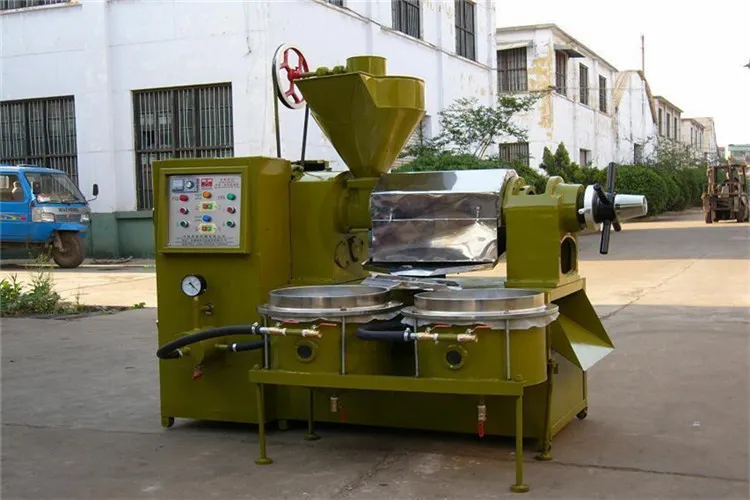
High energy consumption, inconsistent yield, and heavy reliance on manual operation remain common bottlenecks in sesame oil processing. This article explains how a complete set of energy-efficient sesame oil extraction equipment achieves a dual upgrade—higher throughput and lower power usage—by integrating automated control, closed-system engineering, and advanced pressing technology. It breaks down the equipment configuration logic across key process stages (cleaning, roasting, pressing, filtration, and storage), highlighting how sealed conveying and enclosed production reduce contamination risks while improving product purity and safety. It also details how PLC-based automation stabilizes core parameters, reduces labor dependency, and delivers repeatable quality with typical energy savings of 15–30% and output gains of 10–20% under optimized operation. Finally, it compares scalable, customized line setups for different production capacities and outlines selection recommendations grounded in operational data—helping decision-makers build a smarter, easier-to-run factory and move toward a stable, high-efficiency future.

High-Efficiency, Energy-Saving Production: Key Technologies Behind a Complete Sesame Oil Extraction Line
For food processors and edible oil manufacturers, sesame oil is a premium product—but it often comes with a premium production burden: high energy bills, heavy labor dependency, inconsistent yields, and rising compliance pressure for hygiene and safety. In the decision stage, the question is rarely “Can we produce sesame oil?”—it’s “Can we produce it profitably, consistently, and at scale?”
A modern complete sesame oil extraction equipment solution typically delivers a measurable shift: more stable throughput, less steam/electricity per ton, and fewer quality deviations—because the line is engineered as a system, not a collection of machines.
Practical goal: reduce energy consumption by 15–30% and cut labor demand by 30–60% while improving oil yield stability.
1) The Real Bottlenecks in Sesame Oil Production (and Why “Add a Press” Won’t Fix Them)
In many plants, inefficiency hides in plain sight—between process steps. Typical losses come from repeated heating/cooling, open material transfer, manual valve operations, and inconsistent conditioning (moisture & temperature). These issues manifest as:
- Energy spikes from repeated roasting/steaming cycles and poor heat recovery.
- Yield drift due to fluctuating seed moisture and press feed rate.
- Higher impurities from open handling, dust, and cross-contamination.
- Downtime caused by inconsistent cake discharge and clogged filtration.
- Labor risk (operator skill dependence) and batch-to-batch variation.
A full line approach targets the “in-between” losses with automation control, closed-loop conveying, and optimized extraction & filtration logic—so the factory becomes more predictable, not just faster.
2) Where the Energy Savings Come From: Process-Level Design, Not One “Magic” Machine
Energy-saving sesame oil production is achieved by aligning each stage’s operating window with the next stage’s needs. In well-integrated systems, energy reduction usually comes from four engineering choices:
2.1 Heat efficiency in conditioning & roasting
Conditioning (moisture/temperature control) is where many plants over-consume steam or electricity. Modern roasters and conditioners commonly incorporate better insulation, more stable temperature zones, and controlled residence time. In practical factory benchmarks, upgrading to optimized conditioning can reduce roasting/conditioning energy consumption by 10–20% while improving press stability.
2.2 Stable feeding, stable pressing, stable yield
Pressing performance depends heavily on feed uniformity. By using variable-frequency drives (VFDs) and sensor-driven feed control, the press works closer to its optimal pressure profile. Plants typically see 1.5–3.5% relative improvement in oil yield stability (less fluctuation) and fewer press overload events.
2.3 Closed conveying reduces losses and rework
Pneumatic or sealed screw conveying lowers dust, reduces material spillage, and keeps the line cleaner. Less rework and less shutdown cleaning can translate to 3–8% higher effective uptime in busy plants.
2.4 Efficient filtration & clarification
Improved filtration (e.g., staged filtration with controlled temperature) reduces filter clogging and keeps oil clarity consistent. Many processors report 20–40% fewer filtration interruptions after moving from semi-manual filtering to integrated clarification.
Energy & Labor Impact Snapshot (Reference Data)
The table below summarizes typical improvements observed when upgrading from semi-manual lines to a fully integrated sesame oil extraction system. Actual results vary by seed quality, target flavor profile, and plant utilities.
| Metric |
Semi-manual / fragmented setup |
Integrated full line (closed + automated) |
Typical Improvement |
| Total energy per ton of sesame processed |
~120–160 kWh + steam (process dependent) |
~95–125 kWh + optimized steam use |
15–30% lower |
| Operators per shift |
6–10 |
3–6 |
30–60% fewer |
| Unplanned downtime (press/filtration related) |
Frequent interruptions |
Controlled, alarm-driven maintenance windows |
10–25% less |
| Oil clarity consistency |
Batch variation |
Standardized filtration logic |
More stable QC |
3) Closed System Design: Higher Purity, Better Safety, Easier Compliance
For B2B buyers, “closed system” is not a buzzword—it’s a controllable risk boundary. When raw seed, conditioned material, press cake, and crude oil move through sealed paths, the plant gains:
- Lower foreign matter risk (dust, fiber, metal fragments) via controlled transfer and integrated separation points.
- Reduced oxidation exposure during hot handling—supporting a cleaner flavor profile and better shelf stability.
- Cleaner workshop environment, supporting internal audits and customer inspections.
- More consistent sanitation routines with predictable cleaning intervals.
This is one reason decision-makers often choose a complete line rather than expanding step-by-step: the hygienic boundary is designed once, validated once, and operated consistently.

4) Automation Control: Less Skill Dependency, More Predictable Output
Automation in sesame oil extraction is not only about “unmanned operation.” It’s about turning operator experience into repeatable parameters—so performance doesn’t depend on who is on shift.
4.1 What gets controlled in a full automatic sesame oil production line?
- Seed feeding rate (VFD + level sensors) to stabilize press load.
- Conditioning moisture & temperature to keep extraction predictable.
- Press motor current and pressure trend alarms to prevent overload and protect wear parts.
- Filtration differential pressure monitoring to reduce sudden clogging events.
- Batch traceability (optional) for production records and customer requirements.
4.2 Operational results decision-makers care about
With alarms, interlocks, and parameter recipes, production becomes easier to manage: fewer emergency stops, fewer quality disputes, and faster onboarding of new operators. Put simply: let your factory run smarter and with less worry.
Process Flow Map (Infographic)
1. Raw Seed Handling
Cleaning → Destoning → Magnetic separation
2. Conditioning & Roasting
Moisture/temperature control → Flavor development
3. Pressing / Extraction
Stable feeding → Continuous pressing → Cake discharge
4. Filtration & Clarification
Staged filtration → Polishing filter → Storage
5. Optional Modules
Deodorization / heat recovery / filling & packaging
5) Capacity-Based Custom Configuration: Matching Equipment Logic to Your Plant Reality
The most expensive mistake is buying “maximum capacity” without matching utilities, shift pattern, and product positioning. A scalable sesame oil extraction line is typically configured around daily throughput, target flavor profile (light vs. strong roasted), and labor strategy.
Case A: Growing local brand (1–3 tons/day)
Priorities: consistent flavor, clean appearance, and controlled labor. A compact closed conveying layout plus automated temperature control typically delivers 15–20% lower energy use and reduces staffing by 2–3 operators per shift compared with manual handling.
Case B: Industrial supplier (5–20 tons/day)
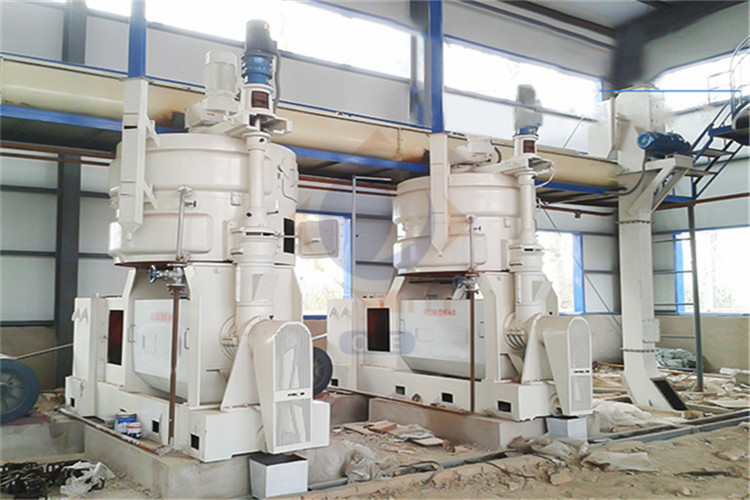
Priorities: uptime, standardized QA, and predictable output. Multi-press parallel design with centralized filtration control often improves effective output by 8–15% through fewer interruptions and faster process balancing.
Case C: Export-oriented processor (20+ tons/day)
Priorities: audit readiness, traceability, and stable bulk delivery. The value is less about “one more ton” and more about repeatable compliance performance and reduced risk during customer inspection cycles.
6) Selection Recommendations Based on Real Operating Data (What to Ask Before Signing)
When comparing industrial sesame oil production equipment suppliers, decision-makers can shorten the evaluation cycle by focusing on measurable inputs and outputs—not brochure specs.
- Energy baseline: current kWh/ton and steam consumption by stage (conditioning, pressing, filtration).
- Seed variability: moisture range, impurity level, and seasonal changes (this drives control strategy).
- Target product: roasted aroma intensity and clarity standard (this drives roasting curve and filtration stages).
- Utilities & footprint: available power, steam, compressed air, and plant layout constraints.
- Maintenance strategy: wear parts availability, planned downtime window, and technician capability.
Decision Checkpoint
If a supplier cannot provide a clear control philosophy (what is controlled, where it is sensed, how alarms are handled) and a realistic energy range by capacity class, the line may perform like separate machines rather than an engineered system.
FAQ (For Procurement, Plant Managers, and Investors)
How much energy can a modern sesame oil extraction line really save?
In typical upgrades from fragmented/semi-manual setups to closed, automated lines, plants often target 15–30% reduction in total energy per ton. The biggest gains usually come from stable conditioning control, reduced re-heating, and fewer stops/starts during pressing and filtration.
Will automation change the taste profile of sesame oil?
Automation itself doesn’t “change flavor”—it stabilizes the flavor by keeping the roasting and conditioning curve consistent. If your product requires a strong roasted aroma, the control system helps repeat that profile reliably across shifts and seasons.
What is the main benefit of a closed system design?
Better control over contamination and housekeeping. A closed system reduces exposure to dust and foreign matter, improves workshop cleanliness, and supports more consistent QC outcomes—especially important for industrial buyers and export clients.
How do we choose the right capacity configuration?
Start with your real operating model: tons/day, shifts, available utilities, and target product spec. Then size the line so the press, filtration, and material transfer are balanced. Over-sizing one section often increases energy waste and idle time in another.
Make Your Sesame Oil Factory Smarter—and Easier to Run
If you are evaluating a complete sesame oil extraction equipment project, a tailored configuration can be the difference between “installed capacity” and “profitable capacity.” Choose us, and you are choosing a stable and efficient future—built on closed-system hygiene, automation control, and energy-aware engineering.
Request a Customized Sesame Oil Extraction Line Configuration (Capacity & Energy Estimate)
Suggested inquiry info: daily capacity target, seed type & moisture range, desired aroma profile, utilities (power/steam), and workshop layout.