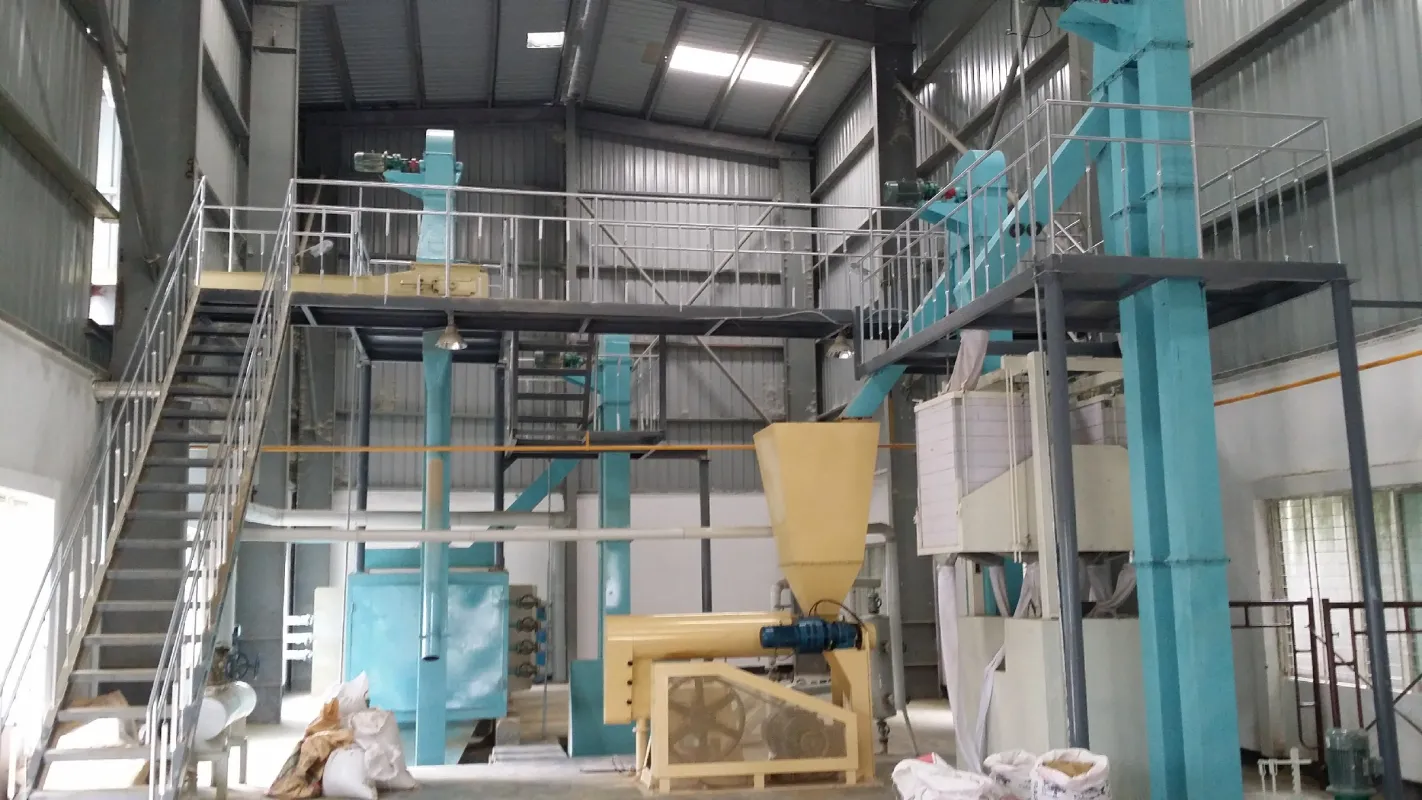
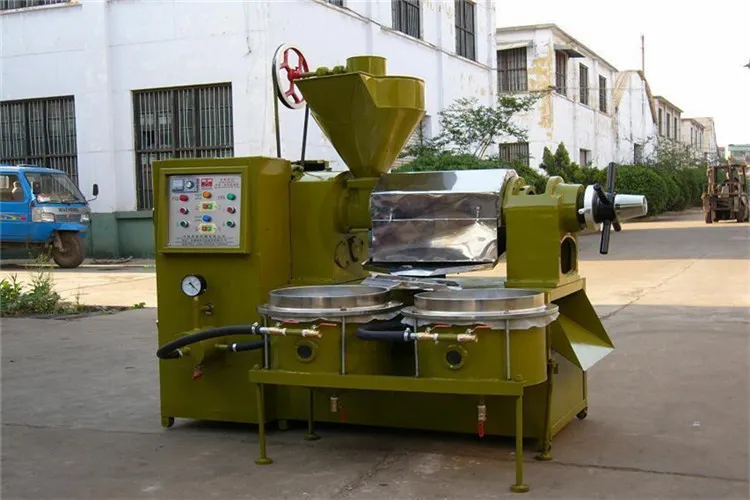
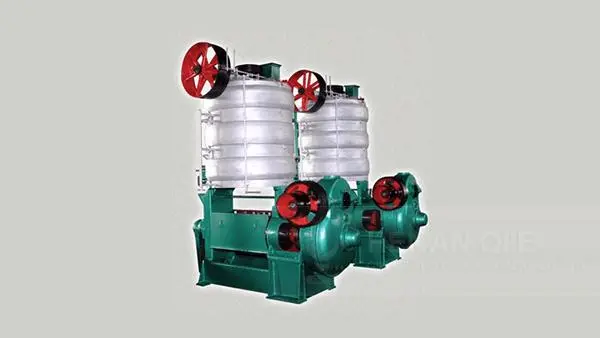
Small-batch (brand-building)
Ideal for premium retail and specialty stores. Focus on precise roasting control, hygienic closed transfer, and flexible recipes. Throughput is typically designed to avoid overproduction and preserve freshness.

In many sesame oil factories, the biggest bottlenecks are no longer “finding buyers” but keeping output stable while controlling energy, labor, and food safety risk. A modern closed-system sesame oil extraction line solves these issues by treating the entire process—raw material handling, roasting/conditioning, pressing/extraction, filtration, and bottling—as one sealed, automated workflow. The result is not just cleaner production, but a measurable improvement in consistency, yield stability, and operating cost.
Traditional sesame oil production often grows from small workshops into semi-industrial plants without a full process redesign. That’s when hidden losses start to compound:
Buyers in the decision stage typically ask one question: “Can you guarantee steady output and consistent quality with lower operating cost?” Closed-system design is the most direct, engineering-based answer.
An advanced sesame oil extraction equipment closed system is built on two principles: (1) the product should not be exposed to the environment during transfer; (2) each unit should be modular, so capacity can scale without redesigning the whole plant.
Instead of open hoppers and exposed conveyors, enclosed lines use sealed elevators, screw conveyors, sealed tanks, and closed filtration loops. This helps: reduce airborne dust, limit oxygen contact, and keep the factory floor cleaner—important for export-oriented food operations and audits.
A modular production line can be configured for small-batch premium sesame oil or scaled to continuous industrial output. Typical factory planning uses “blocks” (pre-treatment, roasting/conditioning, extraction/pressing, filtration, filling) so expansion becomes add-on rather than rebuild.
Energy saving in a high-efficiency sesame oil production line is usually achieved through control logic and heat management, not a single “miracle motor.” The most effective systems combine:
| Energy-Saving Lever | What It Does | Typical Impact (Reference) |
|---|---|---|
| Variable-frequency drives (VFD) | Adjust motor speed to real load (feeding, conveying, pumping), cutting idle power | ~8%–18% electricity reduction |
| Closed-loop temperature control | Stabilizes roasting/conditioning with sensors + PID control, avoiding over-heating | ~5%–12% heat energy reduction; better consistency |
| Insulated tanks/pipelines | Lower heat loss during transfer and holding, reducing reheating frequency | ~3%–8% thermal savings |
| Automation scheduling | Start/stop logic prevents long warm-up standby; synchronizes modules | ~4%–10% reduction in wasted run-time |
| Stable moisture/conditioning | Reduces pressing fluctuations and rework; improves yield stability | Residual oil in cake often drops by ~0.5–1.5 percentage points |
Reference note: Actual savings depend on seed quality, local energy price, target flavor profile, and throughput. Most factories see the strongest benefit after control tuning during commissioning.
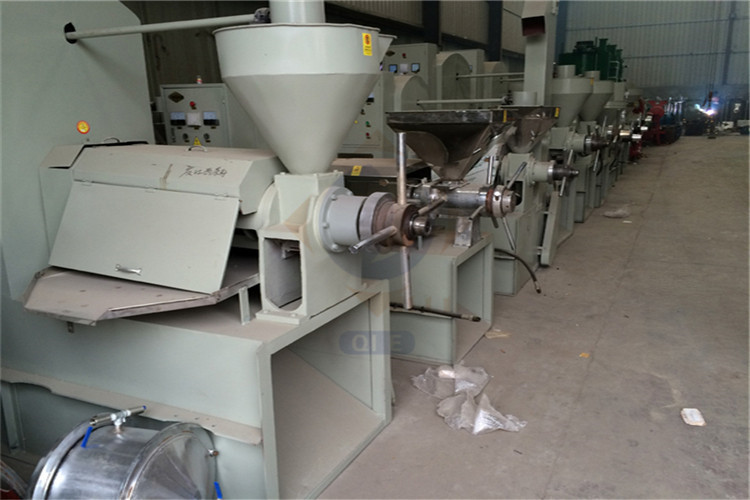
In sesame oil, small variations are noticeable—especially for buyers who evaluate aroma, clarity, and mouthfeel. Closed-system production supports consistency in three practical ways:
A sealed transfer reduces the chance of dust, fiber, or metal fragments entering the product stream. When combined with filtration and optional magnetic separation in pre-treatment, it strengthens food safety compliance and reduces customer complaints.
Less air contact during hot transfer can help protect aroma stability. Many plants also choose closed holding tanks to keep the oil stable before polishing filtration and bottling.
Automation makes “the best operator” reproducible. Once a line is tuned—roasting temperature curve, conditioning time, press settings, filtration timing—quality becomes a system outcome rather than an individual skill.
In many factories, labor cost isn’t only salary—it’s downtime, mistakes, and inconsistent handover across shifts. A modern fully automatic sesame oil press and extraction system typically reduces manual touchpoints through:
In practice, some mid-sized plants report shifting from 6–8 operators per shift in semi-open lines to 3–5 operators per shift after automation and closed-loop integration—while reducing unplanned stops caused by manual valve/feeding errors.
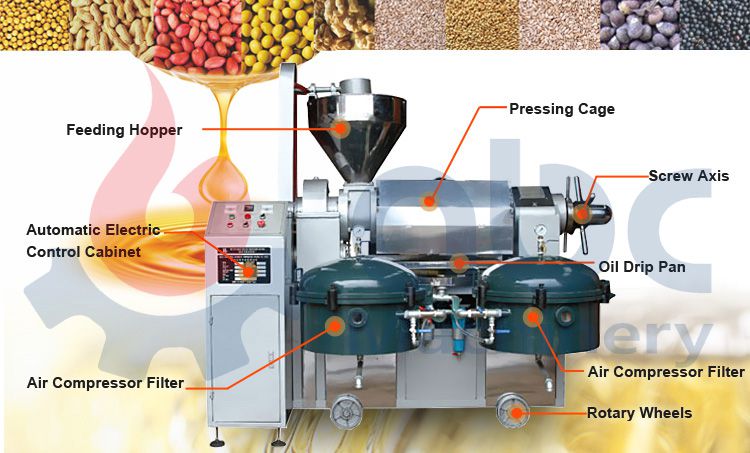
“One-size-fits-all” is rarely profitable in edible oil. The most sustainable approach is a customized sesame oil production line solution that matches your sales channels, packaging formats, and quality positioning.
Ideal for premium retail and specialty stores. Focus on precise roasting control, hygienic closed transfer, and flexible recipes. Throughput is typically designed to avoid overproduction and preserve freshness.
Balances automation and expansion readiness. Common upgrades include multi-stage filtration, buffer tanks, and integrated bottling preparation for multiple SKUs.
Prioritizes continuous stability and energy management. Often adds advanced monitoring, predictive maintenance planning, and line redundancy to protect delivery schedules.
ROI is rarely a single number; it’s a stack of improvements that reduce cost and increase sellable output. For a closed-system, automated sesame oil line, managers commonly track:
| Metric | Before (Typical Open/Semi-Open) | After (Closed + Automation, Reference) |
|---|---|---|
| Energy per ton of processed sesame | Higher due to standby and unstable heating | Often reduced by ~10%–25% |
| Unplanned downtime | Manual switching and inconsistent operation | Often reduced by ~15%–35% |
| Labor per shift | More hands required at multiple points | Commonly reduced by ~20%–40% |
| Quality consistency (batch variance) | Operator-dependent, more fluctuations | More repeatable via recipes + closed loop control |
The closed system itself aims to protect the process from contamination and uncontrolled exposure. Flavor is mainly governed by roasting/conditioning parameters. With recipe-based controls, many plants find it easier to reproduce a desired aroma consistently across seasons and operators.
A practical baseline is PLC/HMI control for feeding coordination, temperature loops, press protection, filtration circulation, and alarm logging. Many factories add VFDs and data logging first, then upgrade to advanced monitoring once stable output is achieved.
A robust design includes buffer capacity (holding/conditioning), adjustable roasting curves, and press settings that can be tuned. Buyers usually share seed moisture range, target output per day, and packaging plan—then the equipment configuration is matched to the real operating window.
Typically: desired capacity (per hour/day), preferred oil style (aroma intensity), available utilities (power/steam), plant layout constraints, hygiene standard target, and whether bottling/filling is included. With that, a tailored modular solution can be proposed.
If your factory could reduce energy waste by even 15% while making output more predictable, how would that change your delivery schedule and contract confidence over the next 12 months?
Whether you’re upgrading from a workshop line or building a new factory, a closed-system sesame oil extraction line can help you stabilize quality, cut avoidable energy loss, and reduce labor dependency—without sacrificing the flavor profile your market expects.
Get a Customized Sesame Oil Production Line Configuration Plan NowShare your target capacity and product style, and receive a practical module-by-module recommendation designed for stable output and energy-efficient operation.
 398
|
398
|
 cold-heat dual-mode pressing
hydraulic pre-press oil machine
oilseed pressing optimization
improve oil yield
industrial hydraulic oil press
110
|
sesame oil production line
sesame oil processing flow
sesame oil pressing machine operation
sesame oil filtration system
automatic sesame oil bottling line
423
|
medium screw oil press machine
screw oil press working principle
structural optimization for oil press stability
integrated preheating and pressing oil extraction
energy-efficient vegetable oil pressing
300
|
rice bran oil refining equipment
core component material selection
corrosion resistant stainless steel for edible oil plants
automated rice bran oil refinery line
edible oil equipment after sales service
cold-heat dual-mode pressing
hydraulic pre-press oil machine
oilseed pressing optimization
improve oil yield
industrial hydraulic oil press
110
|
sesame oil production line
sesame oil processing flow
sesame oil pressing machine operation
sesame oil filtration system
automatic sesame oil bottling line
423
|
medium screw oil press machine
screw oil press working principle
structural optimization for oil press stability
integrated preheating and pressing oil extraction
energy-efficient vegetable oil pressing
300
|
rice bran oil refining equipment
core component material selection
corrosion resistant stainless steel for edible oil plants
automated rice bran oil refinery line
edible oil equipment after sales service