QIE Group | Technical Insight for Food Processors & Industrial Buyers
A decision-stage technical breakdown of closed-system design, automation control, and intelligent process optimization—built for stable quality and scalable production.
Sesame oil plants are under simultaneous pressure from energy volatility, tighter food-safety expectations, and buyers’ demand for consistent flavor profiles across batches. In many mid-sized facilities, thermal processes (roasting, conditioning, filtration heating) and continuous motor loads (pressing, conveying, pumping) can account for a meaningful share of operating expenses. In practical audits across edible oil lines, energy-related costs frequently represent 8%–18% of total conversion cost, depending on fuel type, utilization rate, and whether heat recovery is implemented.
Against this background, a full sesame oil extraction equipment set is no longer purchased as “machines”—it is selected as a system: energy pathways, hygiene barriers, control logic, and modular capacity planning. QIE Group’s engineering approach prioritizes measurable results: higher throughput stability, reduced rework, and lower kWh/ton and fuel/ton at the same (or improved) oil quality.
High-efficiency savings are not driven by one upgrade; they typically come from stacking several engineering measures that reduce losses at each step. Below are the three most impactful levers seen in modern sesame oil production line solutions.
In conventional lines, hot exhaust air and hot oil streams often leave the system with recoverable heat. A thermal-integration design captures that energy and reuses it for preheating seeds, maintaining conditioning temperature, or stabilizing filtration temperature. In typical edible-oil thermal loops, plants that adopt heat recovery commonly see 10%–25% reduction in fuel or steam demand, depending on baseline insulation and duty cycle.
Sesame oil is sensitive to thermal history: both excessive heat and inconsistent heat distribution can push flavor away from target notes and increase impurities that burden downstream filtration. Modern systems use multi-point sensors, PID control loops, and recipe-based ramps to keep key zones within narrow tolerances. In real production, tightening thermal control can reduce off-spec batches and reprocessing events; quality-related downtime reductions of 5%–12% are achievable in lines that previously relied on manual adjustment.
Oversized motors, pumps, and heaters operate inefficiently at partial load. Modular equipment configuration allows capacity to match demand—especially important for exporters with seasonal orders or multi-SKU production. With well-matched modules and VFD-based motor control, facilities can often reduce electrical consumption by 8%–15% compared with fixed-speed, oversized setups.
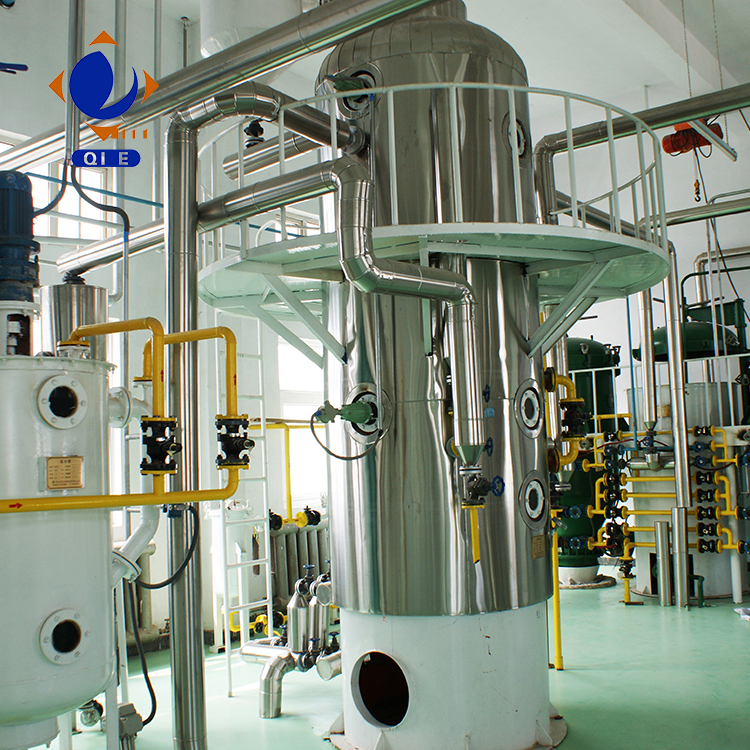
For decision makers, “closed system” is not a marketing label—it is a control boundary. When material transfer, oil flow, and filtration are kept within enclosed, cleanable paths, three outcomes usually follow: lower contamination risk, reduced oxidation exposure, and cleaner oil entering fine filtration. This has direct consequences for performance and cost.
In older open-transfer layouts, airborne particles, moisture fluctuations, and operator-dependent handling can introduce variability. Closed transfer (piping + sealed conveyors + controlled vents) reduces environmental contact. Plants frequently report a visible reduction in sediment load and a more stable filtration cycle, which in turn can extend consumable life and reduce stoppages.
Automation in a sesame oil extraction line is primarily about repeatability. When roasting temperature, conditioning residence time, press feed rate, and filtration parameters are coordinated by a PLC/HMI recipe system, the line becomes less sensitive to shift differences. In production environments with multiple operators, this can translate into 2%–6% higher effective throughput simply by reducing micro-stoppages and parameter drift.
A practical feature set for decision-stage evaluation includes: batch/recipe management, alarm history, trending for key sensors, and interlocks that protect equipment from improper sequences. These controls also support training: instead of “tribal knowledge,” plants can standardize SOP execution through guided screens and validated setpoints.
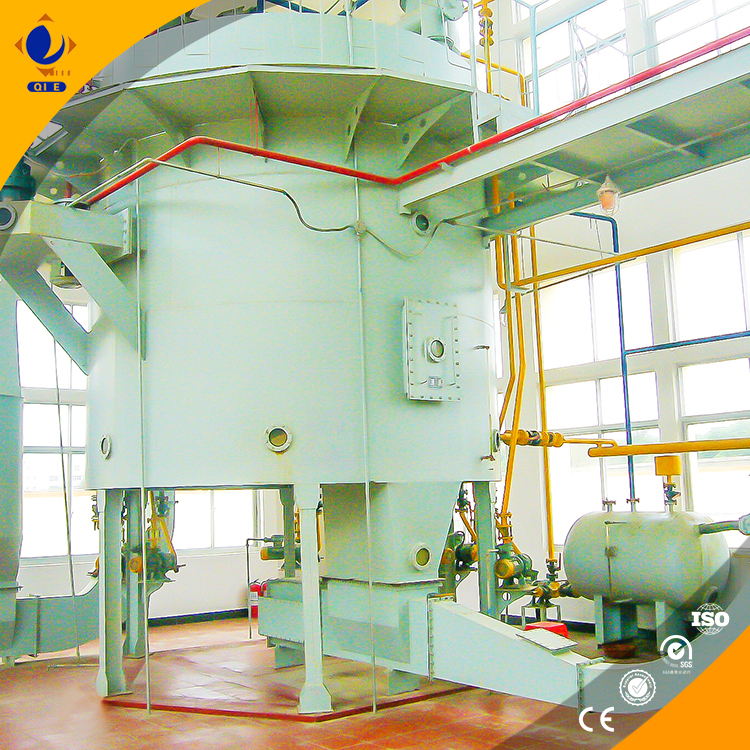
A common procurement mistake is sizing solely by “tons per day” and ignoring upstream/downstream balance. In practice, stable sesame oil output depends on matched capacities across cleaning, roasting/conditioning, pressing, settling, filtration, and oil storage. QIE Group typically recommends a modular planning method that keeps bottlenecks intentional and serviceable rather than accidental.
| Production scale | Typical target throughput | Recommended control level | Common efficiency focus |
|---|---|---|---|
| Pilot / small plant | 1–5 t/day sesame seed | Semi-automatic + critical sensor interlocks | Avoid oversizing; insulation; stable roasting |
| Growing exporter | 5–30 t/day sesame seed | PLC recipes + trending + VFD drives | Heat recovery; closed transfer; filtration optimization |
| Industrial continuous | 30–100 t/day sesame seed | Advanced automation + remote diagnostics | Thermal integration; uptime; predictive maintenance |
Note: final sizing depends on seed moisture, impurity rate, desired flavor profile (roast level), and filtration fineness.
Decision-stage buyers usually ask a straightforward question: “What makes this line pay back faster than a conventional setup?” In energy-saving sesame oil processing, payback is commonly a combination of: energy reduction, throughput stability, and lower maintenance and consumables. Even modest improvements can accumulate when the line runs daily.
For a plant processing 20 t/day sesame seed, operating 300 days/year, a combined improvement set (heat recovery + load matching + stabilized control) can plausibly deliver:
These values are used as conservative planning ranges in feasibility studies, not as guaranteed outcomes.
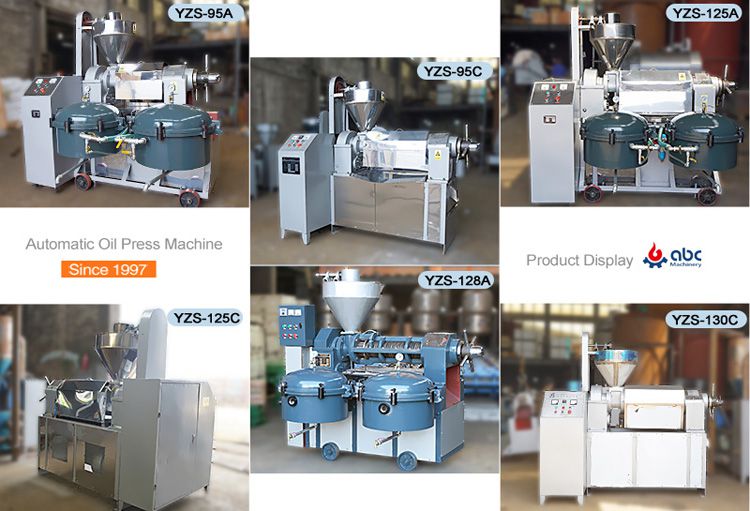
In a recent commissioning scenario for a regional edible oil processor serving both retail and foodservice customers, the plant migrated from a partly open, manual-adjustment workflow to a closed-transfer layout with recipe-based automation and upgraded thermal management. The operational results observed over the first stable production quarter were consistent with what efficiency engineering predicts:
Importantly, the largest gains did not come from pushing equipment harder, but from running the line closer to its optimal window—less thermal overshoot, fewer stop-start losses, and fewer “unknown causes” behind quality drift.
Ease of operation is often underestimated in equipment procurement because it sounds “soft.” Yet in edible oil processing, simplified workflows reduce errors, shorten training cycles, and improve maintenance discipline. Closed systems and automation can also reduce the frequency of deep cleaning caused by incidental contamination or spills.
In practical terms, plants that standardize routines—start-up, shutdown, cleaning checkpoints, and alarm response—tend to see fewer emergency repairs and more planned service windows. Over a year, that difference is often reflected in higher OEE and fewer costly product holds.
Share your target capacity, sesame seed profile, desired flavor/roast level, and local utility conditions. QIE Group will return a decision-ready configuration: process flow, key modules, control level, and utility requirements—built for high-efficiency, hygienic production.
Typical response time: 24–48 hours with a preliminary technical outline.
 300
|
300
|
 sesame oil production line process
sesame oil processing steps
automatic sesame oil bottling line
sesame oil filtration system
oil press maintenance
320
|
closed sesame oil production system
sesame oil purity improvement
sesame oil contamination control
sesame oil filtration technology
international food safety compliance
207
|
sesame oil production line
sesame oil processing steps
sesame oil press machine maintenance
oil filtration and polishing
automatic bottling hygiene control
471
|
sesame oil production line
sesame oil production process
sesame oil equipment maintenance
automatic bottling line
oil press troubleshooting
423
|
medium screw oil press machine
screw oil press working principle
structural optimization for oil press stability
integrated preheating and pressing oil extraction
energy-efficient vegetable oil pressing
sesame oil production line process
sesame oil processing steps
automatic sesame oil bottling line
sesame oil filtration system
oil press maintenance
320
|
closed sesame oil production system
sesame oil purity improvement
sesame oil contamination control
sesame oil filtration technology
international food safety compliance
207
|
sesame oil production line
sesame oil processing steps
sesame oil press machine maintenance
oil filtration and polishing
automatic bottling hygiene control
471
|
sesame oil production line
sesame oil production process
sesame oil equipment maintenance
automatic bottling line
oil press troubleshooting
423
|
medium screw oil press machine
screw oil press working principle
structural optimization for oil press stability
integrated preheating and pressing oil extraction
energy-efficient vegetable oil pressing