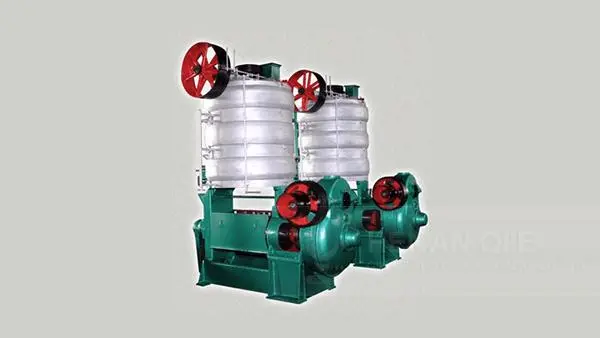
Purchasing an oil press machine, an oil production line, or a complete set of edible oil refining equipment is a capital-intensive B2B decision that impacts product quality, operating cost, and delivery schedule. This buyer guide by Qi'e Grain and Oil Machinery Co., Ltd. (企鹅集团) highlights five common pitfalls we frequently see in projects across Asia, Africa, and South America—so you can evaluate suppliers with a total-cost and project-delivery mindset.
In edible oil projects, the lowest quote rarely represents the lowest cost of ownership. B2B buyers often compare the base machine price but overlook what is (or is not) included in the quotation and technical scope.
Practical tip: ask for a line-by-line proforma and a simple exclusions list. Missing items are often where unexpected costs appear.
“Oil press machine” is not a one-size-fits-all category. Different oilseeds and feedstock conditions can require different pretreatment, pressing parameters, or extraction routes.
Mismatching raw material to process can lead to unstable output, higher energy use, more impurities in crude oil, or a refining section that cannot consistently achieve the intended quality. A reliable supplier should confirm your feedstock profile first, then propose a suitable pressing/extraction/refining configuration.
Buyers sometimes select equipment based on a headline throughput figure, but actual output depends on operating hours, seed preparation, operator skill, and process stability. This is especially critical when budgeting for an oil mill investment.
| Capacity topic | What to ask the supplier | Why it reduces risk |
|---|---|---|
| Basis of rating | Which raw material and what assumptions (moisture, impurities, preheating, press cake thickness)? | Avoids “paper capacity” that can’t be repeated in your plant. |
| Operating schedule | Planned shift pattern, downtime allowance, maintenance windows? | Helps translate throughput into realistic daily/monthly output. |
| Utilities readiness | Power stability, steam availability, cooling water, and any required auxiliaries? | Prevents underperformance caused by site conditions. |
| Commissioning method | How will test runs be performed, and what acceptance criteria are used? | Creates a shared framework for startup and ramp-up expectations. |
A professional supplier evaluation for oil processing projects should include a capacity discussion tied to your feedstock, utilities, and operating plan—not just catalog figures.
Many projects focus on getting crude oil output first, but the refining plan determines whether you can consistently meet target edible oil specifications and market expectations.
If the end market requires stable edible oil quality, refining is not an optional add-on—it is a core part of the system design and budgeting.
Even high-quality equipment can underperform if installation and commissioning are incomplete, or if operators do not receive structured training. Before you sign, clarify who does what—and what support you will receive after delivery.
To reduce oil mill investment mistakes, use a simple evaluation framework that ties technical suitability to delivery and lifecycle support:
Qi'e Grain and Oil Machinery Co., Ltd. (企鹅集团) develops and manufactures grain & oil processing machinery, including oil pressing equipment, oil production line equipment, and edible oil refining equipment. We support B2B buyers with project-oriented services such as solution design, installation support, and technical service—so your procurement decision is aligned with real production needs and delivery execution.
Prepare the following information for an efficient technical discussion: raw material type, target capacity, desired product grade (crude/refined), local power/steam conditions, and site layout constraints. With these inputs, a supplier can propose a more accurate configuration and a clearer total project cost.
Note: Equipment selection should be finalized based on your specific material profile, process targets, and site conditions.
 289
|
289
|
 Qi'e Grain and Oil Machinery Co., Ltd.
oil pressing equipment selection
oil production line configuration
capacity planning for edible oil plants
process matching and automation
150
|
Qieji Group
grain and oil processing machinery
oil pressing equipment
edible oil refining
oil production line
228
|
Qi'e Grain and Oil Machinery Co., Ltd.
edible oil production line
oil processing flow
equipment configuration
refining and filling
391
|
Qi'e Grain and Oil Machinery Co., Ltd.
complete set of grain and oil machinery
oil pressing equipment
edible oil refining line
turnkey oil production line solution
161
|
Qi'e Grain and Oil Machinery Co., Ltd.
grain and oil processing machinery
oil pressing equipment
edible oil refining equipment
palm oil production line equipment
Qi'e Grain and Oil Machinery Co., Ltd.
oil pressing equipment selection
oil production line configuration
capacity planning for edible oil plants
process matching and automation
150
|
Qieji Group
grain and oil processing machinery
oil pressing equipment
edible oil refining
oil production line
228
|
Qi'e Grain and Oil Machinery Co., Ltd.
edible oil production line
oil processing flow
equipment configuration
refining and filling
391
|
Qi'e Grain and Oil Machinery Co., Ltd.
complete set of grain and oil machinery
oil pressing equipment
edible oil refining line
turnkey oil production line solution
161
|
Qi'e Grain and Oil Machinery Co., Ltd.
grain and oil processing machinery
oil pressing equipment
edible oil refining equipment
palm oil production line equipment