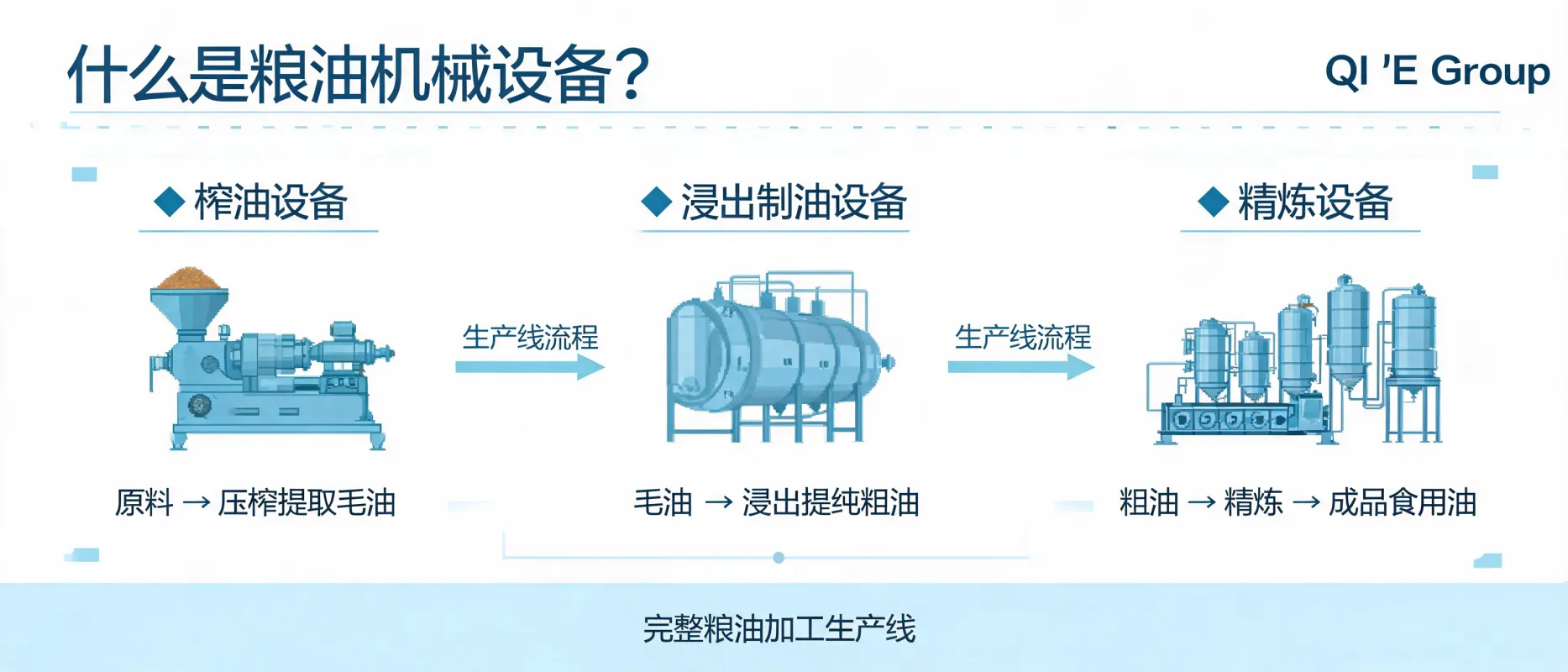
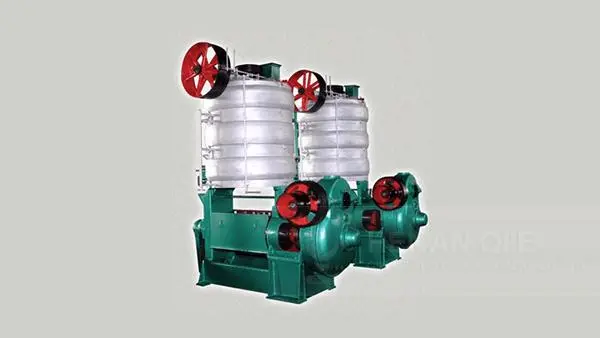
Grain & oil machinery equipment is the integrated set of machines and systems used to press, extract, refine, and package edible oils from oilseeds such as soybean. In practice, it can range from a single oil press machine to a complete edible oil processing project made of multiple modules that work as one workflow.
As a mechanical manufacturing group focused on edible oil processing projects, Qi'e Grain and Oil Machinery Co., Ltd. (企鹅集团) develops and supplies equipment including oil press machines, edible oil production lines, vegetable oil solvent extraction units, and edible oil refining systems, with support for design, installation guidance, and technical service.
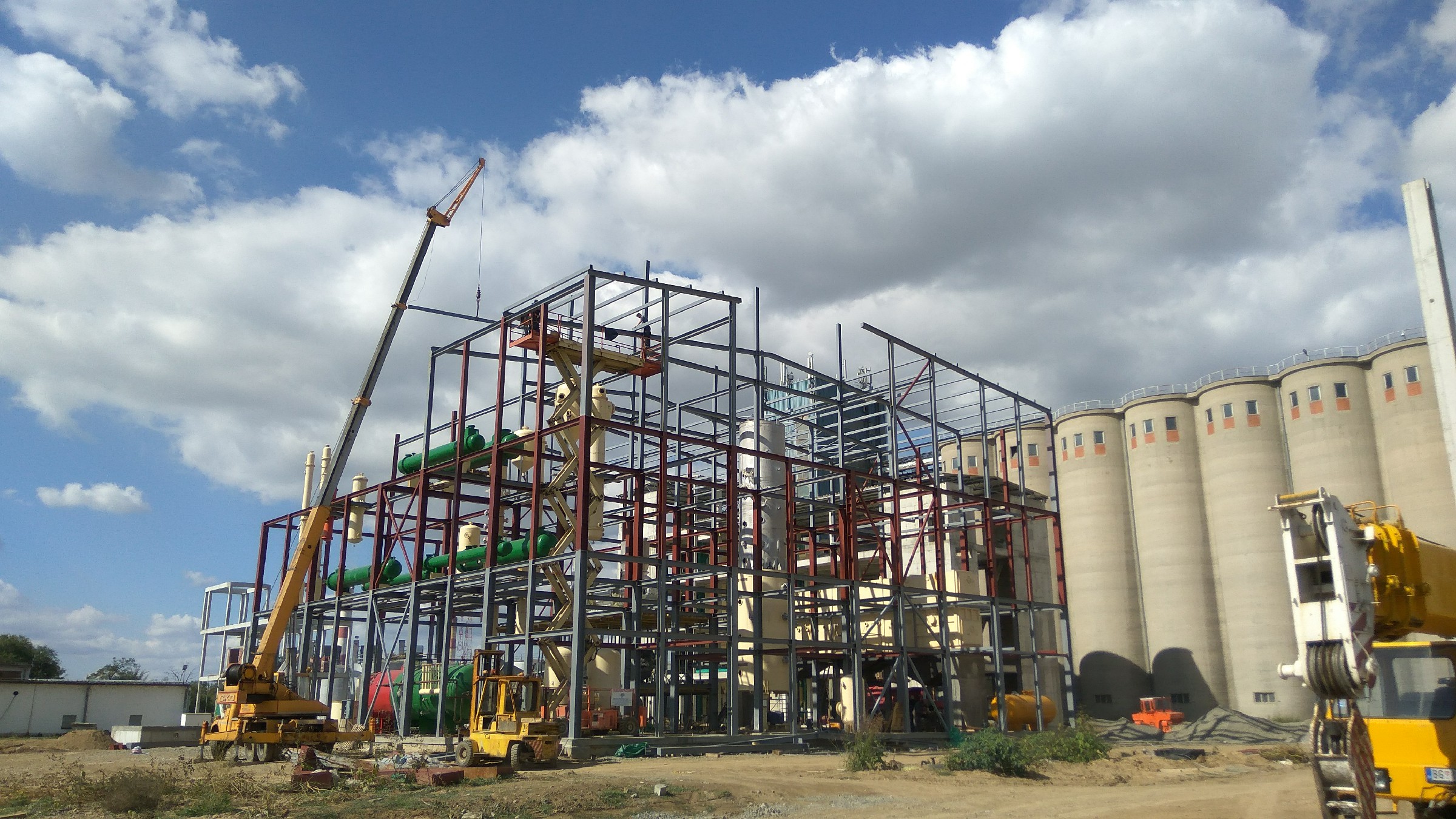
Featured module example
Fully Automatic Soybean Oil Production Line
HS Code: 84792000
Category: Edible oil production line equipment
Most edible oil projects are built as a sequence of unit operations. Depending on your raw material, capacity target, and product grade, you may choose one or more modules below and integrate them into a complete processing line.
Uses oil press machines to extract crude oil via mechanical force. Pressing is often paired with seed preparation (cleaning, crushing/flaking, conditioning) to improve stability and yield.
Extraction systems recover remaining oil from pressed cake or directly from prepared flakes (depending on design). They are typically selected for industrial-scale projects where maximizing oil recovery is important.
Refining improves oil appearance, flavor stability, and suitability for downstream applications by removing impurities. The chosen refining route depends on the crude oil quality and target product specification.
Practical note: A “complete processing line” is not a fixed template. For soybean, many projects adopt a structured flow from preparation → pressing and/or extraction → refining → storage/packing, with automation and safety systems spanning the entire plant.
To connect the equipment types into a process you can evaluate, the soybean oil workflow can be mapped into clear modules. Your final configuration is determined by capacity, available utilities, site constraints, and product targets.
Qi'e’s fully automatic soybean oil production line is designed around efficient, stable processing—from soybean cleaning and preparation to oil recovery and refining—supported by an automation and intelligent control approach to reduce manual intervention and improve consistency. Configuration can be adjusted to match different plant scales and product goals.
Process stability
Centralized monitoring of key parameters helps reduce variability introduced by manual operation and supports repeatable production.
Operational efficiency
Integrated transfer, metering, and interlock logic can streamline start/stop routines, shift handover, and routine checks.
Compliance readiness
Automation and closed-loop design support documentation, safer operation, and integration with environmental treatment systems according to local regulations.
For companies planning an edible oil processing project, decision quality improves when you confirm the items below early. These points also help suppliers propose a realistic, implementable equipment list.
If you share your raw material type, expected capacity, and desired oil grade, Qi'e can help outline a practical module combination (pressing / extraction / refining) and an equipment configuration that matches your site and compliance needs.
For B2B customers in Asia, Africa, and South America—and for global projects requiring reliable machinery delivery—Qi'e Grain and Oil Machinery focuses on end-to-end project coordination around equipment. Support can include:
If you are comparing options across the whole edible oil workflow, you may also review:
For the fully automatic soybean oil production line, you can prepare the following to speed up technical alignment:
With a clear module definition and a practical workflow view, grain & oil machinery equipment becomes easier to evaluate—whether you are building a new soybean oil plant or upgrading an existing edible oil processing line.
 92
|
92
|
 Qi'e Grain and Oil Machinery Co., Ltd. overseas edible oil processing project case complete oil processing equipment commissioning and start-up quality control in edible oil production
170
|
Qi'e Grain and Oil Machinery Co., Ltd. edible oil production line project equipment installation and commissioning overseas oil mill project delivery after-sales technical service for oil machinery
347
|
Qi'e Grain and Oil Machinery Co., Ltd. oil press machine procurement checklist edible oil refining equipment selection oil production line buying guide factory buyer pre-purchase inspection
271
|
Qi'e Grain and Oil Machinery Co., Ltd. oil press machine purchasing edible oil equipment price oil mill investment mistakes supplier evaluation for oil processing projects
442
|
Qi'e Grain and Oil Machinery Co., Ltd. overseas project delivery grain and oil machinery installation and commissioning stable commissioning and start-up long-term operation and maintenance
Qi'e Grain and Oil Machinery Co., Ltd. overseas edible oil processing project case complete oil processing equipment commissioning and start-up quality control in edible oil production
170
|
Qi'e Grain and Oil Machinery Co., Ltd. edible oil production line project equipment installation and commissioning overseas oil mill project delivery after-sales technical service for oil machinery
347
|
Qi'e Grain and Oil Machinery Co., Ltd. oil press machine procurement checklist edible oil refining equipment selection oil production line buying guide factory buyer pre-purchase inspection
271
|
Qi'e Grain and Oil Machinery Co., Ltd. oil press machine purchasing edible oil equipment price oil mill investment mistakes supplier evaluation for oil processing projects
442
|
Qi'e Grain and Oil Machinery Co., Ltd. overseas project delivery grain and oil machinery installation and commissioning stable commissioning and start-up long-term operation and maintenance