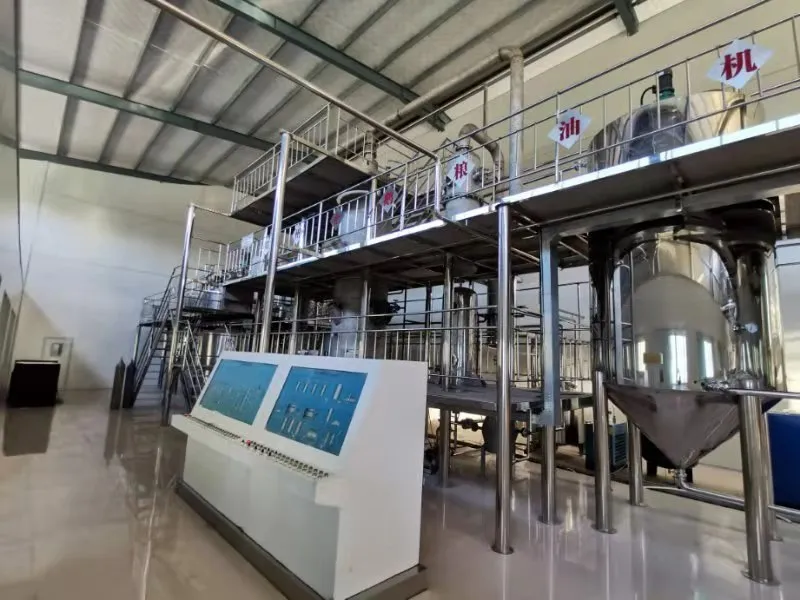
In grain & oil projects, equipment procurement is often treated like a simple price comparison. In reality, the single-machine unit price is only a small part of what determines total cost, production stability, and long-term performance.
Qi'e Grain and Oil Machinery Co., Ltd. (Penguin Group) shares common procurement mistakes we frequently see in B2B purchases of grain and oil processing equipment, and a practical evaluation checklist to help buyers assess suppliers based on complete production line configuration, process matching, installation & commissioning readiness, reliability, and after-sales technical support.
A grain & oil plant is a system. Even when individual machines look similar on paper, differences in process integration, materials and workmanship, control logic, and commissioning support can create downstream costs—lost throughput, higher energy use, extra labor, rework, and longer downtime.
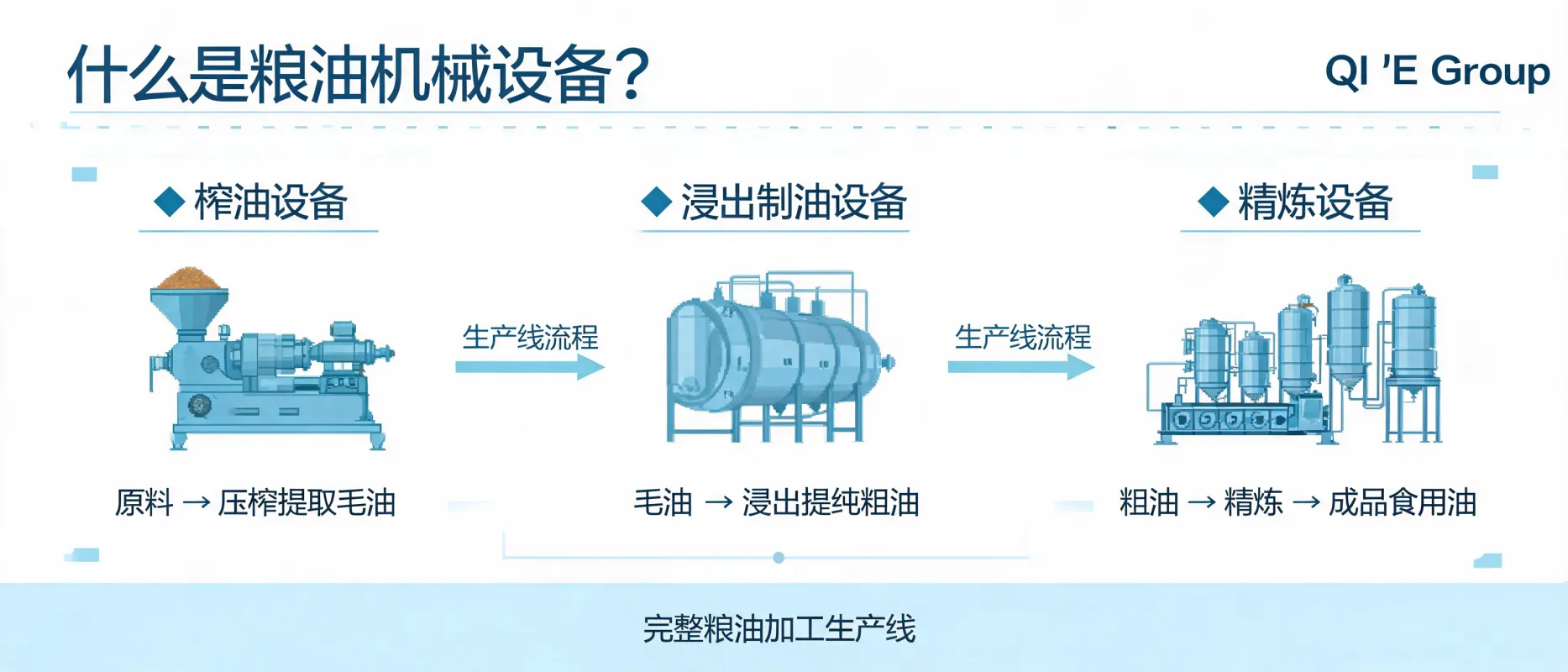
A press, extractor, filter, or refinery unit may be only one part of the line. If the quotation doesn’t clearly define the complete line configuration and interfaces, buyers may discover missing items after arrival.
Grain & oil processing depends on consistent capacity and stable material flow across pretreatment, pressing/solvent extraction, filtration, and refining. If any section is under- or over-sized, it can reduce overall efficiency or increase operating complexity.
Even good equipment needs correct foundations, alignment, piping/cabling, control integration, trial runs, parameter tuning, and operator training. When installation & commissioning is not planned as part of the procurement decision, project timelines and costs become unpredictable.
Stable long-term operation relies on practical design details: access for maintenance, wear-part replacement convenience, reasonable instrumentation points, and consistent build quality. A lower upfront quote can be offset by higher downtime or maintenance burden.
For production lines, after-sales is not just spare parts—it is process troubleshooting, operational guidance, and response capability when performance fluctuates. Supplier evaluation should include service scope, communication process, and technical depth.
Use the checklist below to compare offers on the same basis. It helps procurement teams align internal stakeholders (engineering, production, maintenance, finance) and reduce hidden risks.
| Evaluation Area | What to Confirm | Why It Matters |
|---|---|---|
| Complete line configuration | Scope boundaries, included auxiliaries, consumables/wear parts list, and interfaces between machines | Prevents missing items and reduces change orders during installation |
| Process matching | Capacity matching across sections, material characteristics assumptions, and operating range | Avoids bottlenecks and stabilizes production |
| Installation & commissioning readiness | Foundation requirements, utilities list, layout guidance, commissioning steps, training plan | Shortens ramp-up time and reduces onsite rework |
| Reliability & maintainability | Design for service access, wear-part replacement, standardization, and documentation quality | Improves uptime and reduces lifecycle cost |
| After-sales technical service | Response process, remote support options, spare parts support, and technical troubleshooting scope | Keeps performance stable and reduces operational risk |
Procurement decisions are strongest when the comparison unit shifts from “price per machine” to “performance per complete line over time”.
Penguin Group focuses on oil pressing equipment, oil production line equipment, and edible oil refining equipment, supporting customers with a more complete project mindset—equipment supply plus design, installation, and technical service coordination. Our products are supplied to markets including Asia, Africa, and South America.
If you are preparing an RFQ for grain & oil processing equipment, consider requesting suppliers to quote not only unit prices, but also a clearly defined complete production line configuration (including auxiliaries), installation & commissioning requirements, and after-sales technical service scope. This approach makes quotations comparable and reduces project risk before purchasing decisions are locked in.

 349
|
349
|
 peanut oil production line maintenance
peanut oil equipment preventive maintenance
peanut oil press troubleshooting
production line lubrication management
peanut oil filtration system cleaning
139
|
Qi'e Grain and Oil Machinery Co., Ltd.
edible oil processing plant planning
oil mill equipment selection
oil production line configuration
pressing vs solvent extraction process
85
|
modular peanut oil production line
small peanut oil plant equipment
integrated peanut oil processing system
energy-saving oil pressing line
peanut oil refining technology
232
|
rapeseed oil pretreatment
moisture control 5-8%
conditioning temperature control
rapeseed cooking and flaking parameters
oil yield improvement
485
|
Qi'e Grain and Oil Machinery Co., Ltd.
grain and oil machinery equipment
oil pressing machinery
oil production line
edible oil refining equipment
peanut oil production line maintenance
peanut oil equipment preventive maintenance
peanut oil press troubleshooting
production line lubrication management
peanut oil filtration system cleaning
139
|
Qi'e Grain and Oil Machinery Co., Ltd.
edible oil processing plant planning
oil mill equipment selection
oil production line configuration
pressing vs solvent extraction process
85
|
modular peanut oil production line
small peanut oil plant equipment
integrated peanut oil processing system
energy-saving oil pressing line
peanut oil refining technology
232
|
rapeseed oil pretreatment
moisture control 5-8%
conditioning temperature control
rapeseed cooking and flaking parameters
oil yield improvement
485
|
Qi'e Grain and Oil Machinery Co., Ltd.
grain and oil machinery equipment
oil pressing machinery
oil production line
edible oil refining equipment