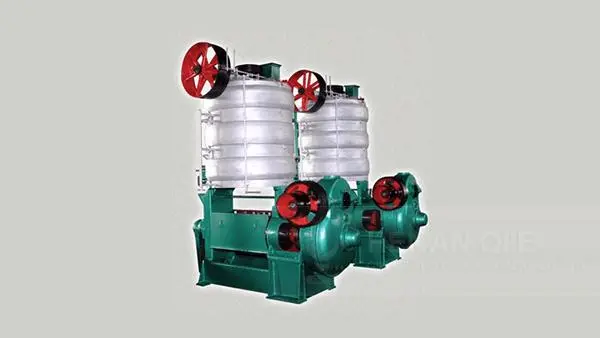
For B2B buyers planning grain & oil processing projects, it helps to understand how oil pressing, solvent extraction, edible oil refining, and complete production lines work together—so capacity targets, quality requirements, and supplier comparison can be discussed with clear technical language.
This guide is provided by Qi'e Grain and Oil Machinery Co., Ltd. (企鹅集团), a manufacturer focusing on grain and oil machinery such as oil pressing equipment, oil production line equipment, and edible oil refining equipment for markets including Asia, Africa, and South America. To make the “single machine vs. full line” decision concrete, the page uses our Refined Peanut Oil Production Line as a reference example of a full-process solution.
Used to extract oil from prepared oilseeds with mechanical force. It is commonly selected when buyers prioritize straightforward operation, compact footprint, and easier day-to-day management. In a peanut oil project, pressing performance depends heavily on upstream cleaning, dehulling, and roasting conditions.
Applied when a project requires extraction-based processing logic or specific yield/processing objectives. If your plant design considers extraction, it should be discussed as a system (extraction + solvent recovery + safety design) rather than a single machine.
Used to improve clarity, stability, and impurity control for edible oil. For buyers aiming at food-grade output and consistent market acceptance, refining is typically the key stage that bridges crude oil extraction and final packaging.
A complete line integrates raw material handling, extraction (pressing and/or extraction), oil filtration/refining, and bottling/packaging. Full lines reduce interface issues between sections and simplify commissioning, operator training, and future capacity planning.
The Refined Peanut Oil Production Line from Qi'e Grain and Oil Machinery Co., Ltd. is designed as an automated production system for producing high-quality peanut oil. The line is structured to be compact and operator-friendly, and it is intended to support international food safety and quality requirements in a practical engineering manner.
When buyers evaluate grain & oil processing equipment and production lines, effective supplier communication usually starts with a shared configuration logic. Below is a practical way to define scope and avoid misunderstandings during quotation and technical discussion.
The refined peanut oil production line is typically relevant for:
To compare suppliers of grain & oil processing equipment more effectively, buyers often prepare a checklist that is easy to verify during technical discussions:
Qi'e Grain and Oil Machinery Co., Ltd. follows a people-oriented approach and treats quality as a core principle. For B2B projects, we focus on practical line design, equipment integration, and technical service—so buyers can define configurations clearly and move from planning to implementation with fewer uncertainties.
HS Code reference for this product category: 84792000 (for customs classification discussions; final classification should follow local customs rules).

 92
|
92
|
 Qi'e Grain and Oil Machinery Co., Ltd. overseas edible oil processing project case complete oil processing equipment commissioning and start-up quality control in edible oil production
291
|
Qi'e Grain and Oil Machinery Co., Ltd. oil pressing equipment selection oil production line configuration capacity planning for edible oil plants process matching and automation
218
|
Qi'e Grain and Oil Machinery Co., Ltd. edible oil production line planning oil mill equipment selection oilseed type and process route production capacity and automation
142
|
Qi'e Grain and Oil Machinery Co., Ltd. edible oil processing plant planning oil mill equipment selection oil production line configuration pressing vs solvent extraction process
122
|
Qi'e Grain and Oil Machinery Co., Ltd. edible oil production line project preparation checklist plant layout planning installation and commissioning service
Qi'e Grain and Oil Machinery Co., Ltd. overseas edible oil processing project case complete oil processing equipment commissioning and start-up quality control in edible oil production
291
|
Qi'e Grain and Oil Machinery Co., Ltd. oil pressing equipment selection oil production line configuration capacity planning for edible oil plants process matching and automation
218
|
Qi'e Grain and Oil Machinery Co., Ltd. edible oil production line planning oil mill equipment selection oilseed type and process route production capacity and automation
142
|
Qi'e Grain and Oil Machinery Co., Ltd. edible oil processing plant planning oil mill equipment selection oil production line configuration pressing vs solvent extraction process
122
|
Qi'e Grain and Oil Machinery Co., Ltd. edible oil production line project preparation checklist plant layout planning installation and commissioning service