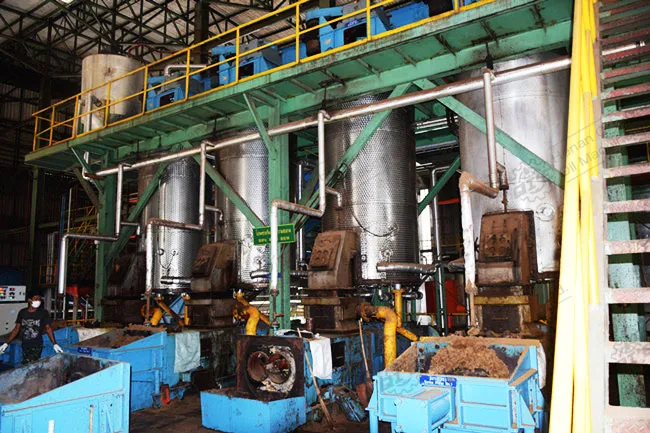
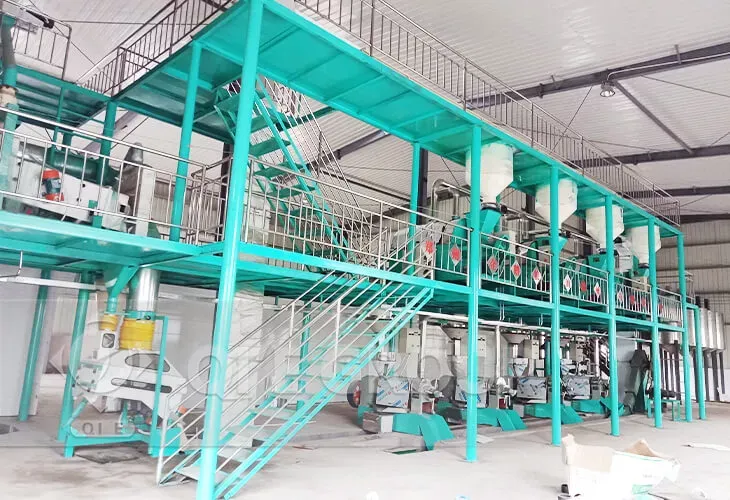
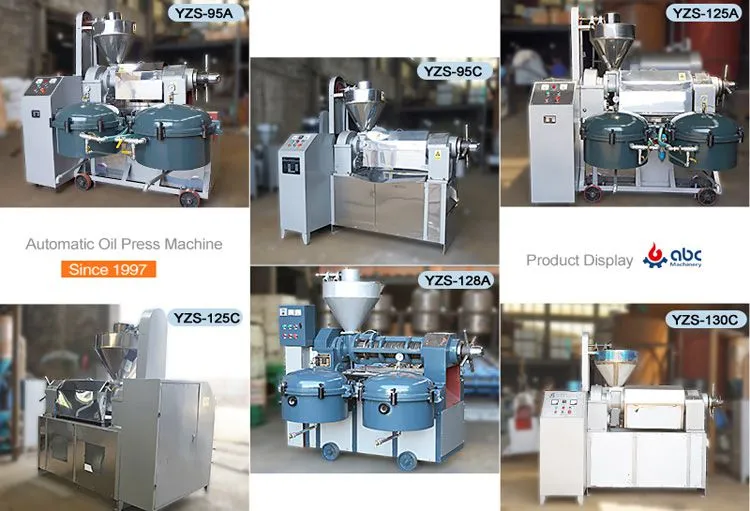
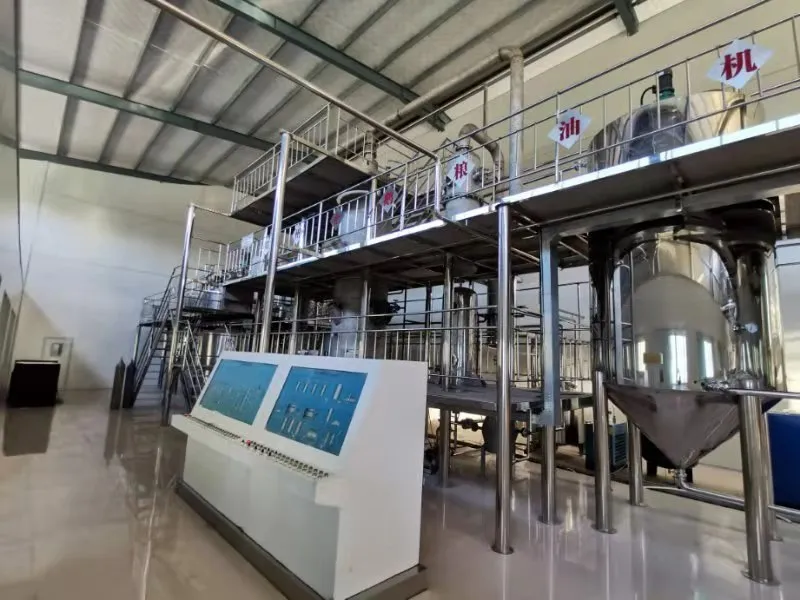
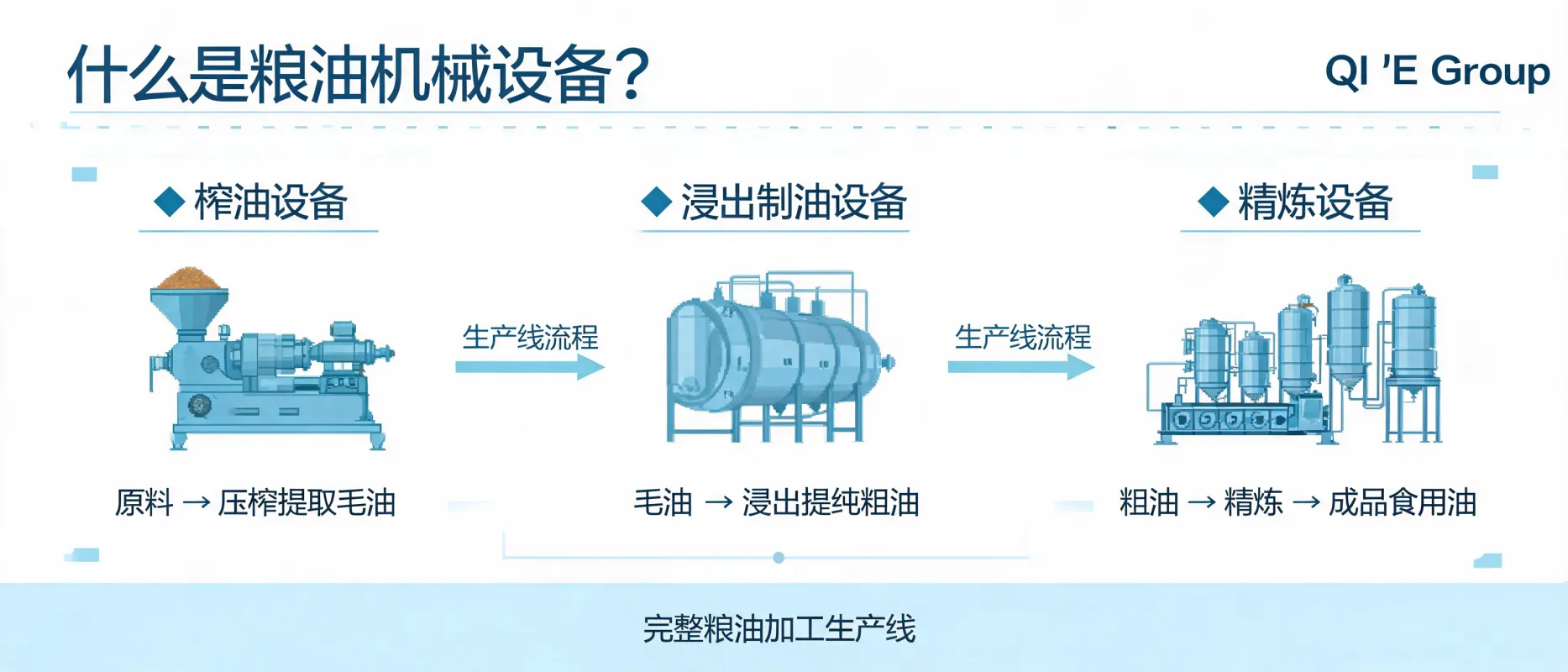
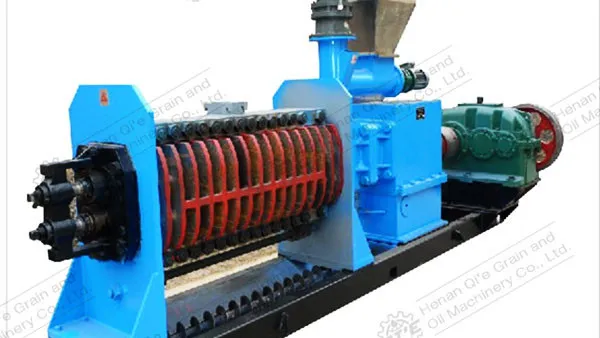
In grain & oil processing projects, equipment procurement is often treated as a “unit price comparison.” In practice, choosing oil pressing equipment, complete oil production lines, or edible oil refining equipment by price alone can introduce hidden risks: capacity mismatch, incomplete process design, unstable operation, and weak after-sales support.
Who this is for: project owners, procurement teams, plant planners, and engineering managers evaluating grain and oil processing equipment in Asia, Africa, and South America—especially when comparing quotations from multiple suppliers.
A machine’s purchase price is only one part of the project cost structure. In grain & oil processing, the real cost is shaped by throughput stability, energy use, consumables, maintenance frequency, and downtime risk.
Procurement tip: ask suppliers to list what is included/excluded (main machine, auxiliaries, electrical control, installation guidance, commissioning scope, spare parts) in a single clear boundary document.
Capacity is not just a number—it depends on raw material characteristics, pretreatment, process route, and the match between each step. A “same-capacity” machine can behave very differently once it enters a complete line.
Risk if ignored: you may “buy capacity” on paper but lose output in reality due to bottlenecks, unstable feeding, or downstream limitations.
Grain & oil processing is a system. Whether your project focuses on pressing, solvent extraction, or edible oil refining, process completeness matters as much as individual equipment quality. Missing steps or weak integration often create quality deviations and rework.
Don’t overlook pretreatment (cleaning/conditioning), cake handling, oil filtration, and safe temperature control—these affect stability and oil quality.
Focus on the full route: pretreatment → extraction → solvent recovery and safety design → oil clarification. A “gap” in any section can affect output and compliance.
Refining needs stable upstream crude oil supply and properly sized utilities. A low-price refining unit can underperform if process steps and controls are incomplete.
A quotation is not an engineering plan. Comparing supplier offers without aligning process scope and delivery responsibilities can lead to “same items, different meanings.” This is where procurement teams unintentionally compare non-equivalent proposals.
Procurement works best when the comparison baseline is unified: same process route, same included scope, same performance assumptions, and clear after-sales responsibilities.
Grain & oil processing equipment runs continuously under load. When problems occur, the cost of slow support is often higher than the price difference you negotiated at purchase. After-sales capability should be evaluated as part of procurement—not as an afterthought.
Practical check: request a service scope list (what’s included), typical documentation package, and a spare-parts recommendation aligned to your planned operating conditions.
At Qi'e Grain and Oil Machinery Co., Ltd. (企鹅集团), we support B2B customers with a complete view of equipment selection—covering oil pressing equipment, oil production line equipment, and edible oil refining equipment. Rather than pushing a single machine, we focus on capacity matching, process completeness, and service deliverables that can be verified before a purchase decision is made.
If you’re evaluating multiple quotations for a grain & oil processing project, aligning on these fundamentals first will make the final price comparison meaningful—and reduce procurement risk across the full project lifecycle.
 178
|
178
|
 rice bran oil deacidification equipment
rice bran oil decolorization system
molecular distillation deacidification
adsorption bleaching technology
energy-saving edible oil refining line
289
|
palm oil production line automation
temperature pressure flow control
PLC control logic programming
control loop design and PID tuning
valve response delay troubleshooting
148
|
Qieji Group
grain and oil processing machinery
oil pressing equipment
edible oil refining
oil production line
84
|
cold-pressed rapeseed oil
solvent extraction rapeseed oil
rapeseed oil production process selection
oil yield vs nutrition retention
energy consumption and equipment investment
343
|
Qi'e Grain and Oil Machinery Co., Ltd.
oil press machine procurement checklist
edible oil refining equipment selection
oil production line buying guide
factory buyer pre-purchase inspection
rice bran oil deacidification equipment
rice bran oil decolorization system
molecular distillation deacidification
adsorption bleaching technology
energy-saving edible oil refining line
289
|
palm oil production line automation
temperature pressure flow control
PLC control logic programming
control loop design and PID tuning
valve response delay troubleshooting
148
|
Qieji Group
grain and oil processing machinery
oil pressing equipment
edible oil refining
oil production line
84
|
cold-pressed rapeseed oil
solvent extraction rapeseed oil
rapeseed oil production process selection
oil yield vs nutrition retention
energy consumption and equipment investment
343
|
Qi'e Grain and Oil Machinery Co., Ltd.
oil press machine procurement checklist
edible oil refining equipment selection
oil production line buying guide
factory buyer pre-purchase inspection