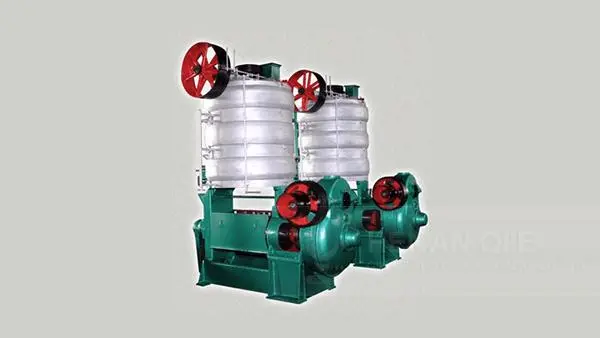
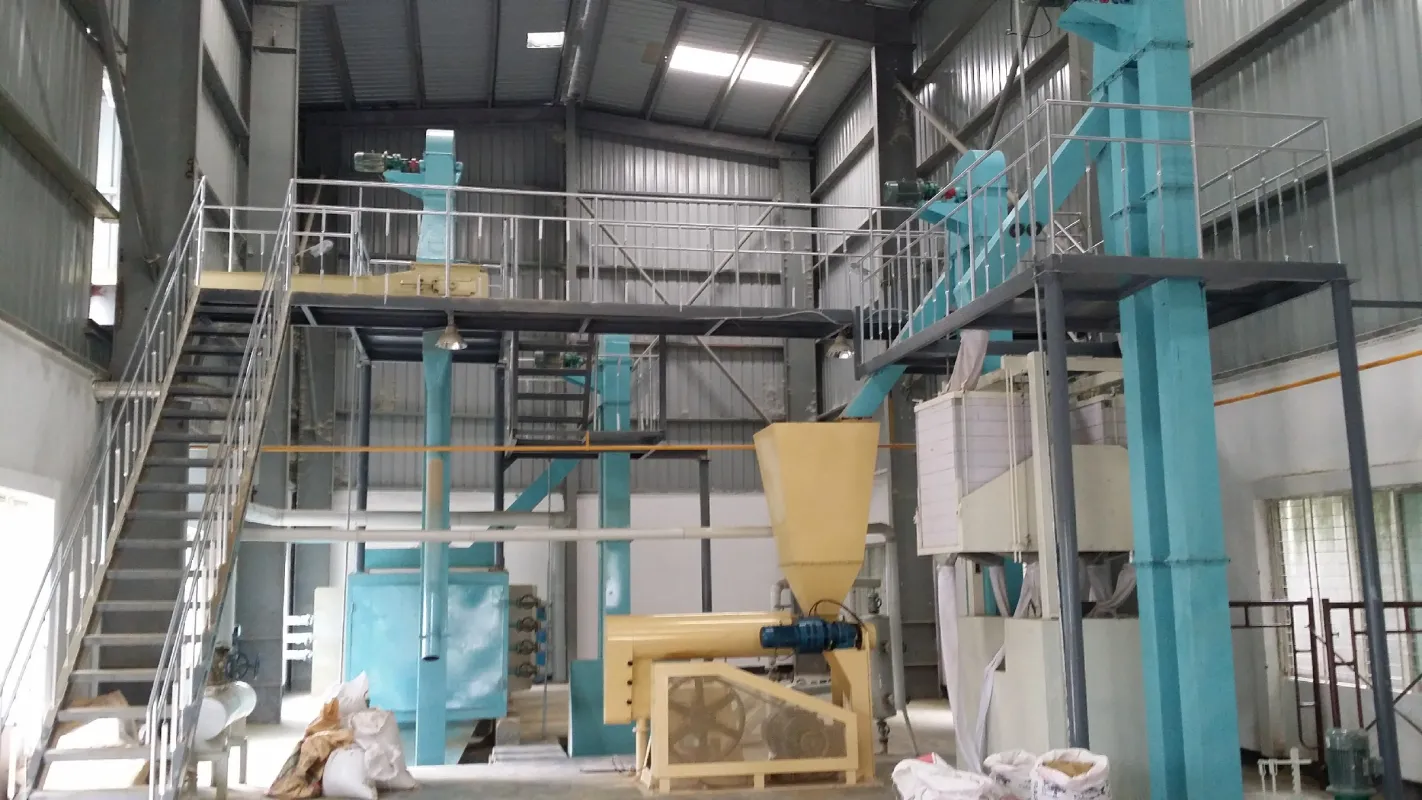
In many small-to-mid sized edible oil plants, the medium screw oil press is expected to do two hard things at once: keep running steadily with minimal downtime, and generate predictable yields without wasting energy. In practice, both targets depend less on “power” and more on equipment structure—how the screw shaft feeds, how pressure builds, how heat is managed, and how the frame holds alignment under load.
This article explains, from a technical yet buyer-friendly angle, how structure-focused upgrades—especially screw shaft geometry and integrated preheating + pressing—can improve stability and economic outcomes for processors handling common oilseeds such as peanut, rapeseed, sunflower, sesame, and soy.
A screw oil press extracts oil by driving material through a barrel/cage via a rotating screw shaft. As the seed moves forward, the space available for the cake decreases. This creates a pressure gradient that ruptures cells and forces oil through the barrel gaps, while de-oiled cake exits at the end.
Buyer-relevant takeaway: Oil press “performance” is not just yield. Stability (less jamming), predictable cake discharge, easier cleaning, and temperature consistency typically determine real production cost per ton.
| Parameter | Common range in medium screw presses | Why it impacts stability |
|---|---|---|
| Throughput | 80–220 kg/h (seed-dependent) | Higher rates amplify misalignment and heat spikes if structure is weak |
| Pressing temperature | 90–130°C (process-dependent) | Too high increases carbon buildup; too low reduces oil flow and may cause blockage |
| Residual oil in cake | 6–10% for many seeds (single pass, reference) | Stable pressure curve helps maintain consistent cake moisture and discharge |
| Specific energy use | 45–90 kWh/ton (seed & setup dependent) | Good preheating + smooth compression reduces wasted load and motor stress |
For medium-capacity plants, the most profitable hour is the one without stoppages. In many cases, stoppages begin at the feed section: inconsistent material density, bridging, or sudden overload causes torque spikes, unstable cake discharge, and temperature drift.
A structurally optimized screw shaft typically uses a progressive pitch + variable root diameter concept. The idea is simple: maintain smooth intake, then build pressure gradually, then lock in a stable high-pressure zone near the outlet—without “shock compression.”
Engineering note (field reference): Plants that move from “step compression” to a smoother progressive compression profile often report 20–40% fewer short stoppages caused by feed instability—especially on mixed moisture batches—because the torque curve becomes less spiky.
Preheating is not a luxury feature. In a screw press, oil viscosity, cell rupture behavior, and cake plasticity all shift with temperature. When preheating is structurally integrated (rather than “added on”), the barrel can maintain a more uniform thermal profile, which helps the machine stay stable at higher throughput.
For medium presses, reliable control usually combines zoned heating (e.g., feeding section vs. pressing section), sensor feedback, and an operator-friendly controller. Many processors target a tight band such as ±3–5°C during steady pressing, because large swings often correlate with cake blockage, excessive carbon deposits, or inconsistent oil clarity.
| Performance indicator | Common baseline | With integrated preheat + tighter control |
|---|---|---|
| Specific energy use | 60–90 kWh/ton | ~45–75 kWh/ton (often 10–20% lower) |
| Unplanned cleaning frequency | Every 6–10 hours (seed-dependent) | Every 8–14 hours (less carbon buildup) |
| Oil appearance consistency | Batch-to-batch variation visible | More uniform due to stable viscosity and flow |
Data shown are typical industry observations and vary by seed condition, moisture, pre-treatment, and operator settings.
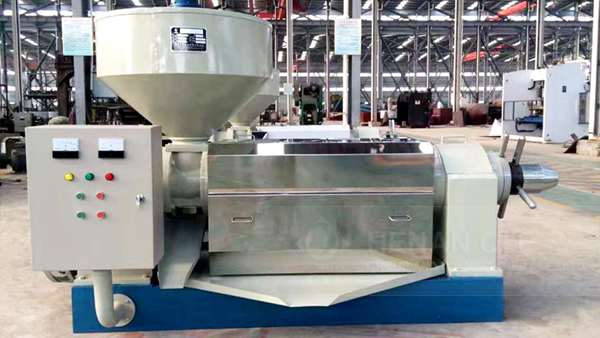
Stability is mechanical before it is electrical. Medium screw presses operate under sustained axial load, and small alignment errors can translate into rapid wear, higher vibration, or oil leakage. A compact, well-braced frame helps keep the screw axis and pressing chamber concentric—especially during long shifts.
For procurement teams comparing suppliers, it is worth asking for wear part lifecycle references. In many medium-capacity installations, a well-optimized set of wear parts can run 800–1,500 hours before refurbishment (seed and operating temperature are key variables). Longer intervals usually translate into more predictable production planning.
In small and medium plants, profitability is often decided by “hidden losses”: restart waste, inconsistent cake moisture, extra filtration time, and overtime labor due to frequent cleaning. Structural optimization reduces these losses by keeping the press in its stable operating zone longer.
Uptime improvement: +3–8% effective run time by reducing short stoppages and overheating-related pauses.
Energy reduction: 10–20% lower kWh/ton when preheating and pressure curve are well matched.
Yield control: more consistent residual oil in cake (often within ±0.5–1.0%) across batches.
Operational perspective: When a medium screw press runs “calm”—stable feed, stable temperature, stable discharge—the plant is not only extracting oil. It is also stabilizing labor, filtration load, and maintenance planning, which is where many mid-sized processors quietly win.
At the awareness stage, buyers do not need to finalize a model—but they can avoid costly misfits by checking a few structure-driven items. The most reliable suppliers will answer these clearly, with drawings, test notes, and operating guidance.
Share your raw material type, target capacity, and preferred process (cold press / hot press). A proper recommendation should include a matching screw configuration, temperature-control approach, and wear-part plan—so the machine performs reliably in real production, not just in a catalog.
Request a Technical Consultation for a Medium Screw Oil PressTypical response includes process notes, configuration suggestions, and reference operating parameters for your target oilseeds.
```
 398
|
398
|
 cold-heat dual-mode pressing
hydraulic pre-press oil machine
oilseed pressing optimization
improve oil yield
industrial hydraulic oil press
300
|
rice bran oil refining equipment
core component material selection
corrosion resistant stainless steel for edible oil plants
automated rice bran oil refinery line
edible oil equipment after sales service
cold-heat dual-mode pressing
hydraulic pre-press oil machine
oilseed pressing optimization
improve oil yield
industrial hydraulic oil press
300
|
rice bran oil refining equipment
core component material selection
corrosion resistant stainless steel for edible oil plants
automated rice bran oil refinery line
edible oil equipment after sales service