Modular Peanut Oil Processing Line for Small Plants: Equipment Selection and Capacity Optimization Guide
2026-03-14
Application Tutorial
This practical guide helps you choose the right equipment for a small peanut oil plant and scale output efficiently with a modular production line strategy. It breaks down common selection pain points—space constraints, capacity mismatch, labor dependency, and energy waste—and shows how modular design lets you expand without replacing the entire line, making your investment smarter. You’ll get actionable recommendations on layout planning, energy management, throughput balancing across key modules (cleaning, roasting, pressing, filtering, and optional refining), plus benchmark operating references such as daily output ranges, typical power consumption patterns, and maintenance intervals to support decision-making. With process-flow and configuration comparison chart suggestions, a quick ROI estimation method based on real operating scenarios, and durability considerations for long-term operating cost control, you can move from a family workshop to standardized production with one clear adaptation path—powered by Penguin Group solutions.
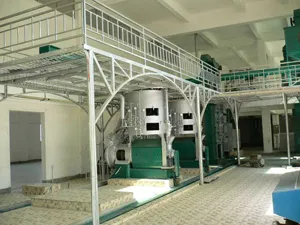
How to Choose the Right Equipment for a Small Peanut Oil Mill: A Modular Line Configuration Guide (with Capacity Optimization Tips)
If you run a small peanut oil mill, you don’t just need “machines”—you need a production system that matches your real throughput, labor skill level, floor space, and utility limits. The wrong choice usually doesn’t fail on day one; it fails quietly through low extraction yield, high electricity per ton, frequent shutdowns, and inconsistent oil clarity that buyers notice.
This guide shows you how to select a modular peanut oil production line that can start small and scale up—without replacing the entire line, making your investment smarter. With realistic reference data and configuration examples, you can move from a family workshop to standardized production in one practical adaptation.
1) The Most Common Equipment Selection Pain Points (and Why They Cost You Output)
In small plants, equipment decisions are often made around “budget-first” or “max capacity on paper.” The operational reality is different. Here are the patterns we see most often:
- Capacity mismatch: a press sized for peak capacity but fed by slow roasting or insufficient filtration creates bottlenecks and idle time.
- Unstable quality: inconsistent roasting temperature leads to color variance and off-flavors; poor clarification causes higher sediment and shorter shelf stability.
- High energy per ton: old-style heating and motors can push your electricity use up by 15–30% per ton versus modern, matched systems.
- Labor dependency: manual feeding, manual temperature control, and frequent cleaning raise skill requirements and increase human error.
- Maintenance surprises: low-grade contact parts increase wear; downtime is often the hidden “tax” on small operations.
Manager’s checkpoint: If you frequently run “almost full” but still can’t hit target daily output, it’s usually not the press—it’s the line balance.

2) Why Modular Design Works Better for Small Peanut Oil Mills
A modular line is not “more machines.” It’s a line built from functional modules that can be sized, upgraded, or added without restructuring everything. In practice, modularity gives you:
Flexible capacity steps (not one big leap)
You can start with a stable core—cleaning + roasting + pressing + primary filtration—and later add finer filtration, automation, or deodorization support. That’s how you expand while keeping your original investment working.
Lower training threshold
A good modular system simplifies operation points—temperature control, feeding stability, and filtration cycle—so your output is less dependent on one “master operator.”
Smarter expansion logic
No need to replace the whole line to expand—make your investment smarter by upgrading only the true bottleneck module.
3) Traditional vs. Modern Lines: Efficiency and Energy Differences You Can Feel
You don’t need laboratory-level data to evaluate performance—track the numbers that matter operationally: output per shift, kWh per ton, labor per ton, and cleaning/maintenance intervals.
| Metric (Typical Range) |
Traditional Small Line |
Modern Modular Line |
What You Gain |
| Effective daily throughput |
0.5–1.5 tons/day |
1–3 tons/day |
+30–80% via line balancing |
| Electricity consumption |
70–110 kWh/ton |
50–85 kWh/ton |
~15–30% reduction (motors + heating control) |
| Operators needed |
3–5 people/shift |
2–4 people/shift |
~20–40% labor relief |
| Typical unplanned downtime |
4–8 hrs/month |
2–5 hrs/month |
More stable runs, easier cleaning |
Note: figures are practical reference ranges for small peanut oil operations; actual results vary by seed moisture, roast profile, press type, and filtration grade.
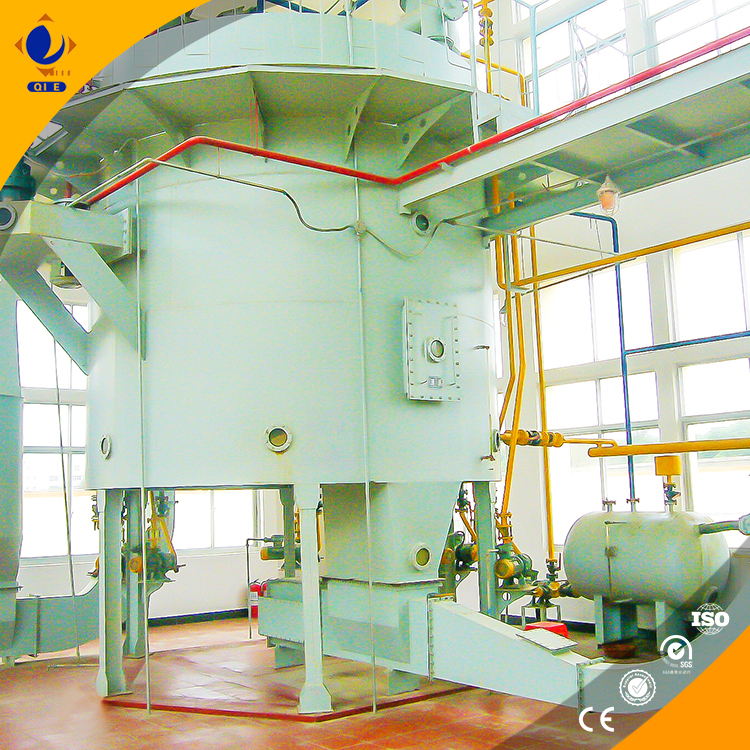
4) A Practical Modular Configuration Map (Start Small, Expand Smoothly)
You’ll get better results by choosing “right-sized modules” rather than the biggest single machine. Below is a simple, decision-friendly map you can follow.
Core Modules (recommended for most small mills)
- Cleaning & grading: reduce impurities, stabilize press load, lower wear.
- Roasting with temperature control: consistent flavor + steadier oil flow.
- Pressing (screw press): match press capacity to roast output, not supplier brochure numbers.
- Primary filtration: fast clarity improvement to avoid tank sediment complaints.
- Oil tank & transfer: hygienic storage, less rework.
Expansion Modules (add when demand proves it)
- Fine filtration / polishing: reduce haze and extend shelf stability in retail channels.
- Automatic feeding & conveyors: reduce labor peaks and improve safety.
- Heat recovery / insulation upgrades: cut energy waste during roasting and oil handling.
- Optional refining support: when you must meet stricter odor/color specs or multi-market compliance.
This is where modularity shines: no need to replace the entire line to expand—make your investment smarter.
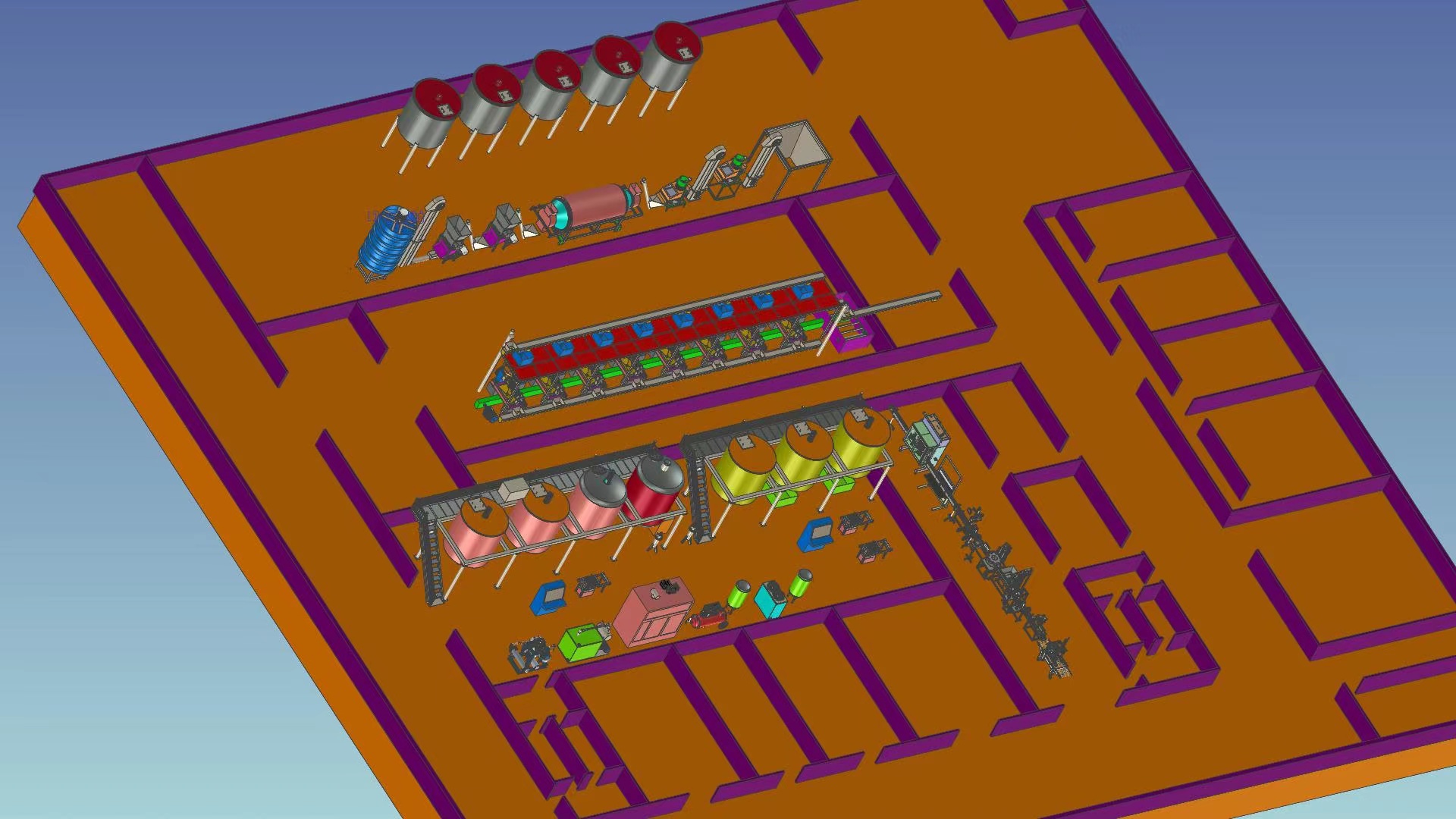
5) Space Layout Tips: Make Flow Simple, Keep Cleaning Easy
In small facilities, layout is productivity. If operators walk material back-and-forth, you lose more output than you think—often 5–12% of effective production time per shift.
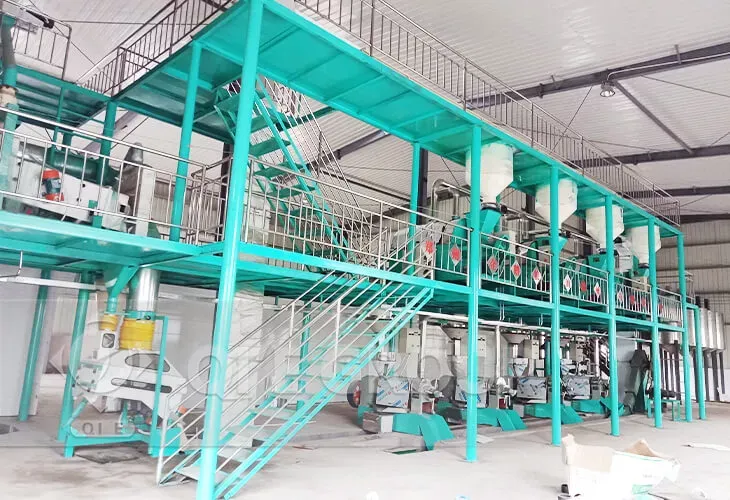
Use a straight-through process line
Position modules in the same direction: cleaning → roasting → pressing → filtration → storage. Keep the “dirty zone” (raw seed) separated from the “clean zone” (oil handling).
Reserve service corridors
Leave at least 0.8–1.0 m access space near the press and filtration for cleaning, screen changes, and bearing inspection. If maintenance is hard, it won’t happen on time.
Simplify the operator touchpoints
Put controls where decisions happen: roast temperature control near roasting, press amperage/feeding at the press, filtration pressure monitoring at the filter. This reduces “silent errors.”
6) Reference Operating Data: What “Good” Looks Like in Daily Production
Use the benchmarks below to sanity-check your plan. If a supplier’s promise is far outside these ranges, ask what assumptions they used (seed moisture, press cake thickness, run hours, filtration grade).
| Scenario |
Throughput Target |
Electricity (kWh/ton) |
Typical Maintenance Rhythm |
Notes |
| Starter standardized workshop |
0.8–1.2 tons/day (8–10 hrs) |
60–90 |
Press inspection weekly; filter cloth every 2–4 weeks |
Best for stable local sales, low labor risk |
| Growth-stage small mill |
1.5–2.5 tons/day (10–12 hrs) |
55–85 |
Wear parts check every 2–3 weeks |
Consider feeding automation to reduce peaks |
| Quality-focused (retail/wholesale) |
1–2 tons/day |
60–95 |
Filtration checks daily; polishing cycle planned |
Higher consistency; fewer customer complaints |
7) ROI Thinking: Estimate Payback Without Overcomplicating It
For small mills, ROI usually comes from three sources: (1) higher effective throughput, (2) lower labor and rework, and (3) fewer stoppages. A realistic modular upgrade often improves effective output by 10–25% in the first 60–90 days simply by stabilizing roasting and filtration cycles.
A simple payback framework you can use
Track your current monthly numbers for 4 weeks, then project improvement with conservative assumptions:
- Extra sellable oil: from higher effective throughput + fewer quality rejects
- Energy savings: target 10–20% reduction if upgrading heating control and motor matching
- Labor savings: target 0.5–1.0 fewer operator per shift if adding feeding/conveying
- Downtime reduction: even 2 hours/month recovered can stabilize delivery schedules
Your goal isn’t a perfect spreadsheet—it’s to prevent buying “capacity” that can’t be used in real runs.
8) Durability Matters: Material Choices That Reduce Lifetime Cost
Small mills feel long-term cost faster because you don’t have redundant lines. Prioritize food-contact durability and easy sanitation. In most peanut oil environments, choosing reliable stainless contact surfaces and stable bearings can reduce recurring minor failures and help you keep consistent oil quality across seasons.
When you evaluate Penguin Group solutions, don’t just compare “machine lists.” Compare how the line protects your daily continuity: balanced modules, stable controls, and maintainable design that supports long runs.
Interactive Q&A Box: Tell Us Your Output, We’ll Suggest the Right Module Combination
Q1: What is your annual production target?
Options to decide faster: under 100 tons/year, 100–300 tons/year, or 300+ tons/year.
Q2: What’s your biggest constraint right now?
Floor space, power limit, labor skill, oil clarity/consistency, or maintenance downtime.
Q3: Do you want to scale in 12 months?
If yes, plan your line as “core + expansion module” from day one—from a family workshop to scaled production, it takes one right adaptation.
Build Your Modular Peanut Oil Production Line—Expand Without Replacing the Whole System
Send your target capacity, workshop size, and power availability. We’ll recommend a module combination that matches your real operations—so you can grow output with confidence, not guesswork.
Get a Modular Peanut Oil Production Line Configuration Recommendation
Typical response includes: process flow suggestion, module sizing, and a practical upgrade path—so you don’t overbuy today and regret it tomorrow.