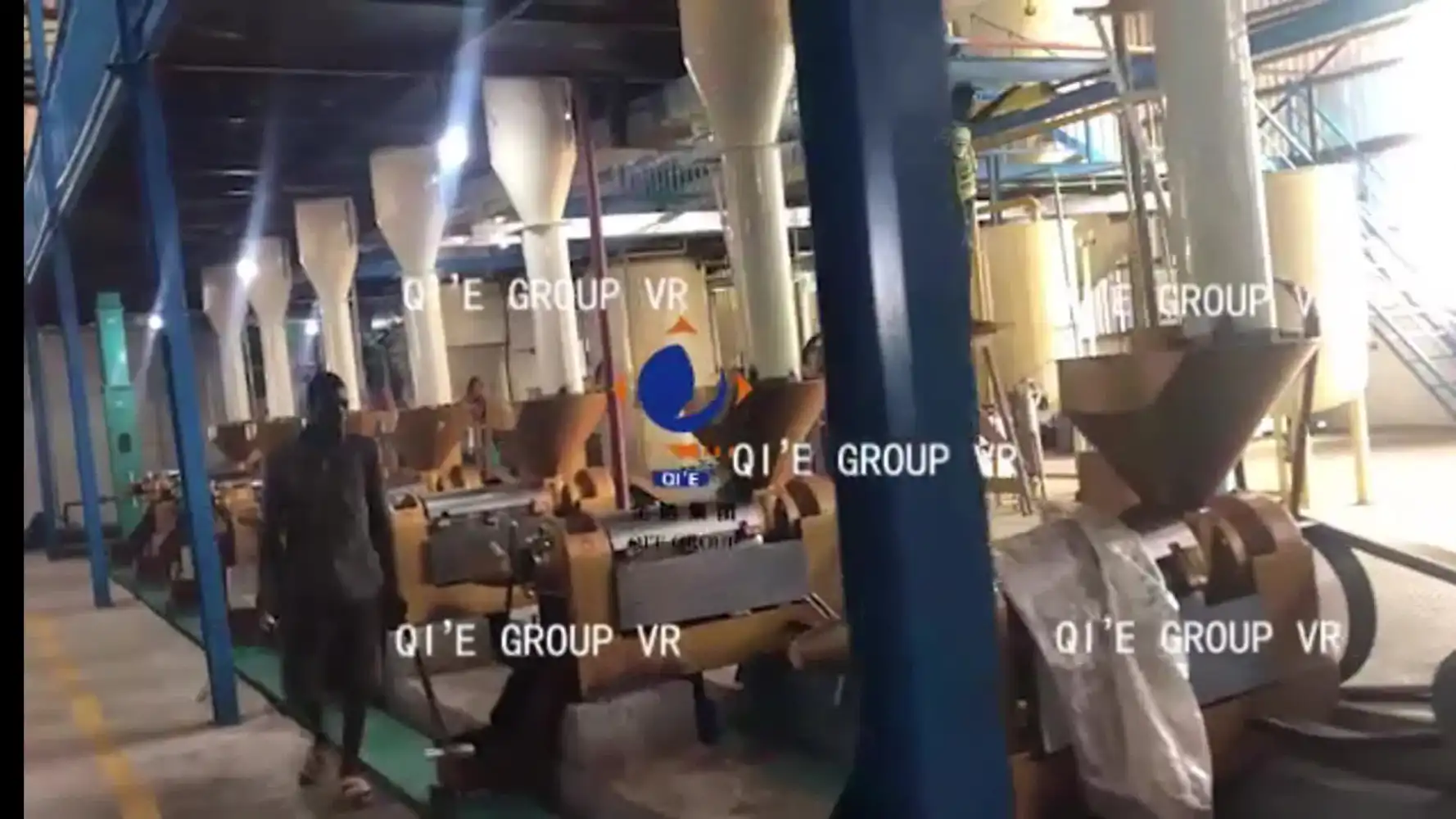
For small-to-mid peanut oil producers, the real bottleneck is rarely “lack of demand”—it is how to scale capacity without turning the plant into a maze of machines, rework, and energy waste. A modular peanut oil production line is often the most practical way to upgrade: it standardizes the workflow, keeps footprint under control, and allows capacity to grow by adding modules instead of rebuilding the factory. This guide explains how a single, well-matched equipment set can deliver stable throughput, lower operating cost per ton, and simpler daily operation—with realistic reference data and configuration logic.
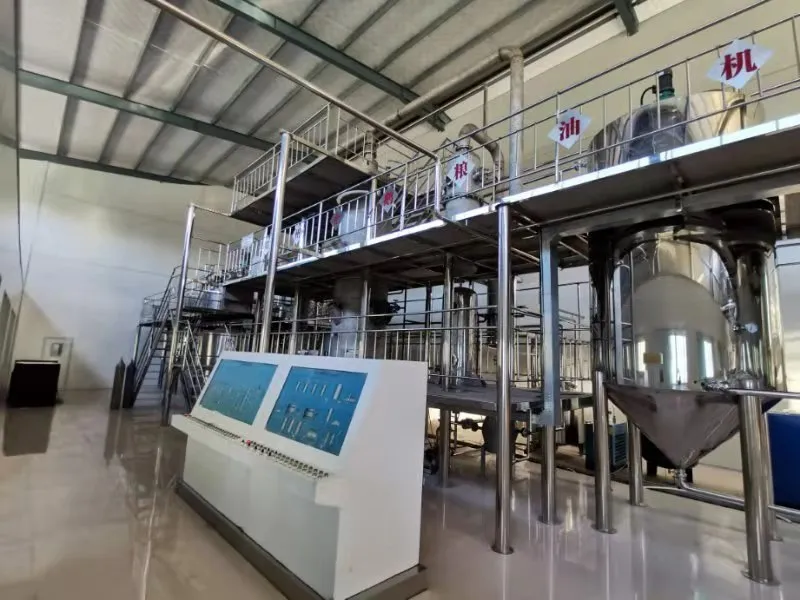
In a practical B2B sense, “modular” does not mean smaller machines. It means the process is split into clear, repeatable units—each with defined inputs/outputs, standard connections, and predictable utilities (power, steam/thermal oil, compressed air, water). For most peanut oil factories, the modules typically map to the core steps below:
Raw peanuts
  → Cleaning & de-stoning
  → Shelling (optional) / Sorting
  → Roasting / Conditioning
  → Crushing / Flaking (optional)
  → Pressing (single press / double press)
  → Oil clarification (filter / settling)
  → (Optional) Refining: degumming → neutralization → bleaching → deodorization
  → Filling & packaging
A modular architecture lets the plant operate as a “closed loop” where each unit is sized to match the next—reducing idle time, overflow tanks, and operator guesswork.

Small oil mills often expand step-by-step: first a press, then an extra filter, later a small refining kettle. Over time, the layout becomes “patchwork,” and production stability suffers. A modular line solves this by using functional zones and short material paths. For many small-to-mid projects, a common target is to keep raw material → pressing → filtration/refining → filling moving in one direction.
| Capacity Target (Peanuts In) | Suggested Line Type | Typical Workshop Area | Typical Crew / Shift |
|---|---|---|---|
| 1–3 tons/day | Cleaning + roasting + pressing + filtration | 120–220 m² | 2–4 operators |
| 5–10 tons/day | Add automated conveying + stronger filtration | 250–450 m² | 4–7 operators |
| 10–30 tons/day | Optional refining module + more buffering | 500–900 m² | 6–12 operators |
Notes: actual area depends on building shape, storage policy, and whether shelling/refining/packaging are integrated on-site.
In projects where land or rent is tight, the biggest “hidden saver” is often not a smaller press—it is a cleaner routing plan: fewer forklifts crossing lines, fewer open tanks, and fewer manual transfers. That translates to less contamination risk and more predictable output.
Peanut oil processing is energy-sensitive: roasting/conditioning and deodorization (if refining is added) are typically the most demanding steps. A modular line can reduce energy waste by making utilities easier to manage and automate—especially when paired with variable-frequency drives (VFD), insulated piping, and heat recovery-friendly layouts.
| Module | Typical Energy Form | Planning Range | Efficiency Lever |
|---|---|---|---|
| Cleaning & conveying | Electricity | 8–20 kWh/ton peanuts | VFD motors, shorter routes |
| Roasting/conditioning | Thermal (steam/gas/thermal oil) | 40–90 kWh(th)/ton | Insulation, temperature control |
| Pressing | Electricity | 18–45 kWh/ton | Stable feed rate, proper conditioning |
| Filtration | Electricity | 3–10 kWh/ton oil | Right filter area, timely cake discharge |
| Refining (optional) | Thermal + electricity + vacuum | 60–140 kWh(th)/ton oil | Vacuum stability, heat recovery |
Values vary by moisture, roasting profile, press type, and local utility conditions. Use them for feasibility checks and to spot oversized modules.
For many small plants, the fastest payback comes from control, not “bigger”: stable roasting temperature, steady press feeding, and consistent filtration cycles typically reduce rework and oil loss more than any single hardware upgrade.
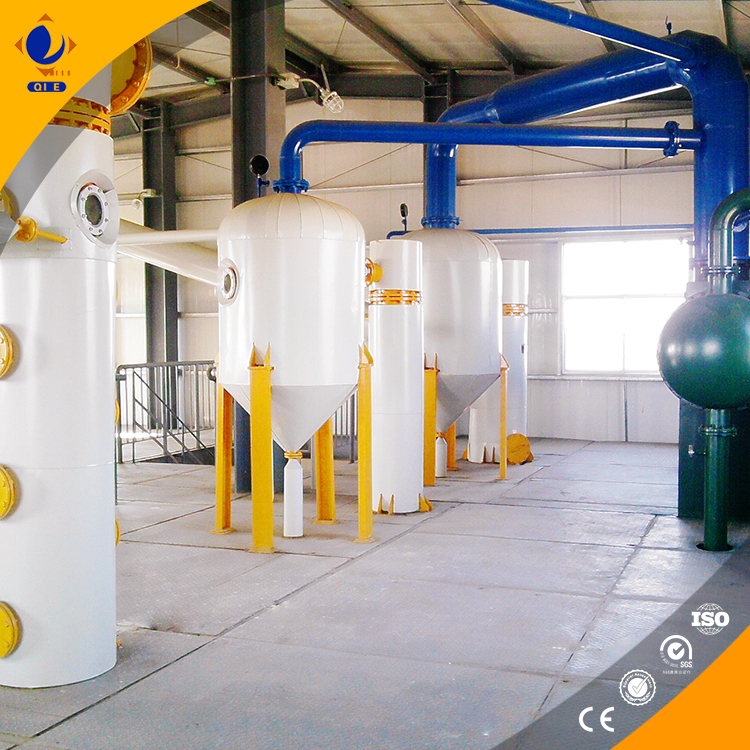
Automation in small peanut oil factories is often misunderstood as “full PLC everywhere.” What operators really need is fewer manual knobs that drift during long shifts—and clearer signals when something is off. In well-implemented modular lines, automation typically focuses on the checkpoints that decide yield, flavor, and downtime:
A modular line works best when the interface is standardized. Plants commonly report faster onboarding when the same logic is used across modules: consistent labeling, one alarm philosophy, and “normal operating ranges” printed near the unit. This is one reason many buyers prefer integrated line suppliers such as 企鹅集团, where modules are designed to work as a system rather than a collection of separate machines.
The most common failure mode in small-to-mid oil plants is a line where one unit is oversized and the next is undersized. The press runs, but filtration lags; or refining is installed, but the upstream supply cannot keep it loaded. Capacity matching is the practical discipline of sizing each module so the whole line stays balanced.
| Step | What to Match | Practical Target | Common Mistake |
|---|---|---|---|
| Conditioning → Pressing | Moisture/temperature to press spec | Stable feed, fewer stoppages | Chasing yield with unstable roasting |
| Pressing → Filtration | Oil flow vs filter area/cycle | No “oil waiting” tanks overflow | Too small filter causing downtime |
| Filtration → Filling | Clarity & temperature to filler | Consistent appearance per batch | Filling cloudy oil to “save time” |
| Crude → Refining (optional) | Refining batch size vs crude supply | High utilization, fewer start/stop losses | Installing refining too early |
Engineering teams often aim for a buffer capacity of 10–20% in the critical bottleneck module to handle raw material variability without forcing the whole line to stop.
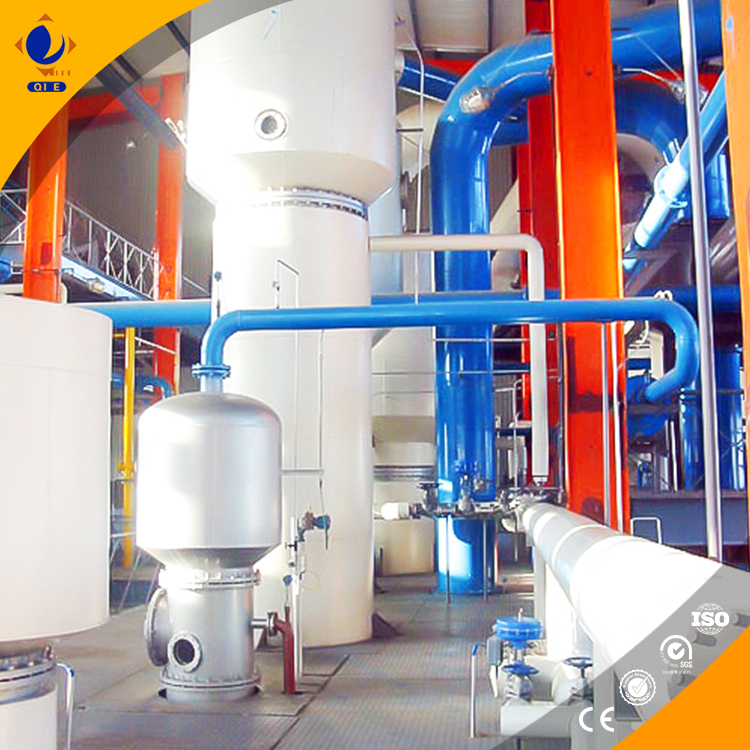
Buyers often ask for “high yield,” but in real operations, the winning metric is repeatable daily output with low rejects and manageable labor. Below is a conservative reference scenario used by many project planners when evaluating a small-to-mid line configuration:
| Item | Reference Value | Why It Matters |
|---|---|---|
| Oil yield (pressed crude) | 38–45% (by peanut weight) | Varies by variety, moisture, and pressing strategy |
| Daily crude oil output | 3.8–4.5 tons/day | Baseline for filtration/refining sizing |
| Downtime allowance | 3–6% of shift time | Cleaning, filter discharge, changeovers |
| Typical labor | 5–7 operators/shift | Lower if conveying + controls are integrated |
| Product consistency driver | Conditioning + filtration discipline | Reduces batch-to-batch variation and complaints |
These are feasibility numbers for decision-making. Final sizing should be verified by raw material testing and utility assessment.
Many small mills start with pressing + filtration to establish stable production, then add a refining module when market requirements demand longer shelf life, lighter color, or standardized odor. A modular approach keeps that decision reversible: refining can be integrated later without redesigning the entire line.
Not always. Double pressing can improve oil recovery, but it adds complexity and can reduce hourly throughput if downstream filtration is not sized accordingly. For many plants, the best ROI comes from stable conditioning + correct press selection rather than automatically choosing the most complex flow.
Standardize the “three constants”: constant temperature (conditioning), constant feed (pressing), and constant filtration cycle. Even basic automation—VFD feed control, temperature PID control, and alarm thresholds—often reduces quality swings more than adding extra tanks or manual valves.
Choose modules with adjustable operating windows (roasting profile, press settings, filtration area) and keep a small buffer strategy. In modular lines, the goal is not to “force” every batch to behave the same—it is to keep the line stable while parameters adapt within safe, documented limits.
High output is fragile when maintenance is reactive. In small oil mills, the most effective maintenance routines are simple, scheduled, and visible. Plants running modular lines typically keep a weekly checklist that covers:
Share your daily peanut input target, available workshop dimensions, utility conditions, and product goal (pressed vs refined). The engineering team can then propose a capacity-matched configuration with practical layout logic and upgrade paths—without forcing a one-size-fits-all design.
Explore a Modular Peanut Oil Production Line by 企鹅集团Typical response includes a module list, utility checklist, and a phased expansion suggestion aligned with your production rhythm.
 456
|
456
|
 energy-saving sesame oil extraction equipment
closed-system sesame oil production line
automated sesame oil processing system
heat recovery and temperature control for oil extraction
modular sesame oil extraction line configuration
300
|
sesame oil production line process
sesame oil processing steps
automatic sesame oil bottling line
sesame oil filtration system
oil press maintenance
306
|
peanut oil production line maintenance
screw press maintenance
filtration system maintenance
equipment lubrication management
peanut oil equipment troubleshooting
36
|
peanut oil production line maintenance
peanut oil press maintenance
peanut oil filtration system troubleshooting
lubrication management for oil mill equipment
small oil mill preventive maintenance
88
|
energy-efficient sesame oil extraction equipment
closed-system sesame oil production line
automated sesame oil pressing machine
sealed hygienic oil processing system
modular sesame oil plant configuration
energy-saving sesame oil extraction equipment
closed-system sesame oil production line
automated sesame oil processing system
heat recovery and temperature control for oil extraction
modular sesame oil extraction line configuration
300
|
sesame oil production line process
sesame oil processing steps
automatic sesame oil bottling line
sesame oil filtration system
oil press maintenance
306
|
peanut oil production line maintenance
screw press maintenance
filtration system maintenance
equipment lubrication management
peanut oil equipment troubleshooting
36
|
peanut oil production line maintenance
peanut oil press maintenance
peanut oil filtration system troubleshooting
lubrication management for oil mill equipment
small oil mill preventive maintenance
88
|
energy-efficient sesame oil extraction equipment
closed-system sesame oil production line
automated sesame oil pressing machine
sealed hygienic oil processing system
modular sesame oil plant configuration