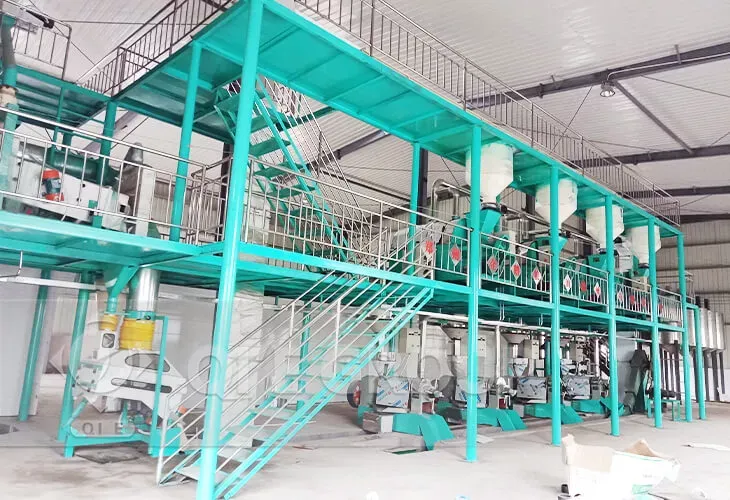
Selecting the right oil pressing equipment, a complete oil production line, and the supporting edible oil refining system is a procurement decision that impacts yield stability, operating cost, quality consistency, and long-term compliance.
This guide summarizes a practical B2B evaluation framework used by project owners and purchasing teams when planning edible oil processing projects across Asia, Africa, and South America. It focuses on matching raw material, capacity targets, process route, automation, and environmental requirements—so you can shortlist configurations efficiently and request comparable quotations.
Who this guide is for
In edible oil projects, the raw material typically determines the most suitable process route, pre-treatment steps, and the press/extraction technology selection. Before requesting offers, document the basics below—this will prevent mismatched configurations and scope gaps.
Capacity decisions affect equipment sizing, utility consumption, workshop layout, and the number of operators. For B2B procurement, it helps to align on both nameplate capacity and operating assumptions (shift pattern, downtime, and maintenance windows).
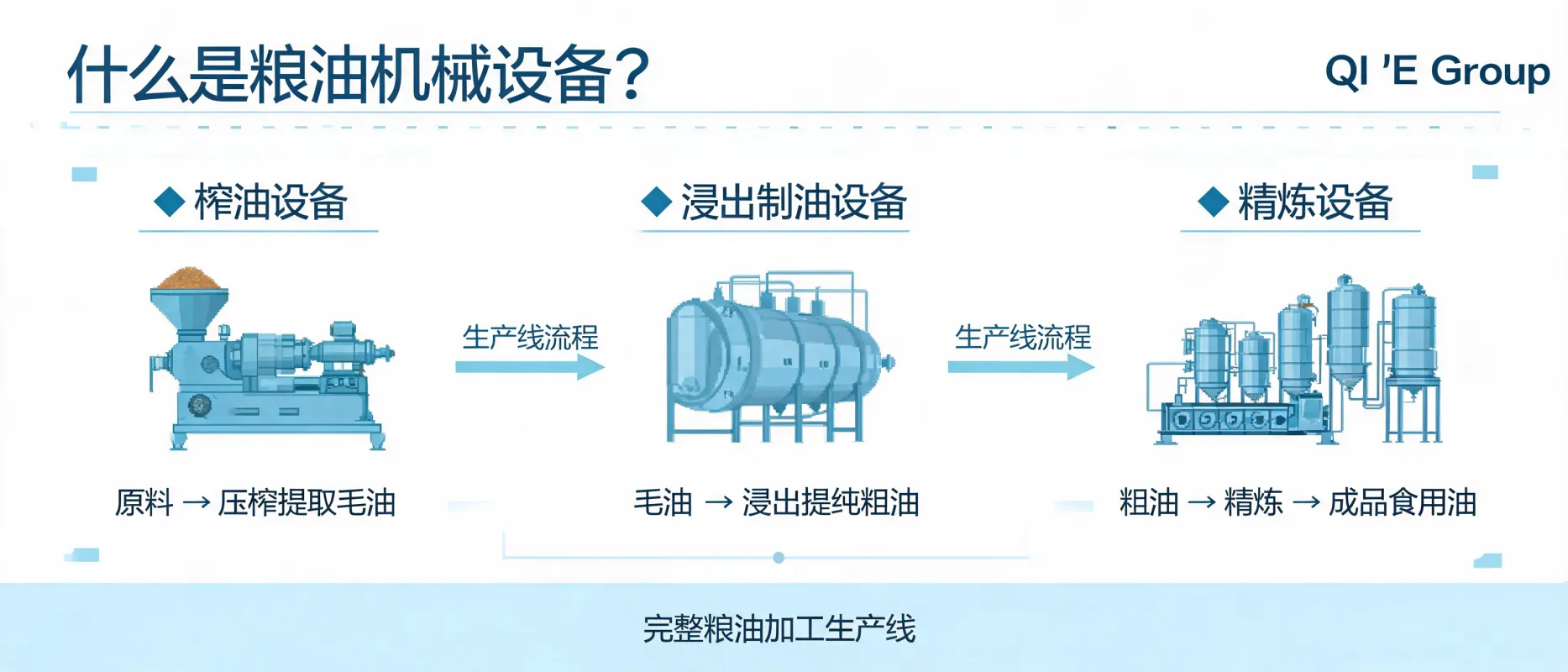
An “oil production line” is not a single machine—it is a coordinated process chain. Your route selection should consider raw material characteristics, desired oil quality, and environmental constraints.
Note: Exact steps depend on oil type, quality targets, and local regulations. A supplier should confirm the process route based on your raw material and target output, not by a one-size-fits-all template.
Automation impacts staffing, consistency, traceability, and fault response. Buyers should specify required control scope early to avoid later change orders.
Environmental compliance is project-specific and depends on your location, process route, and plant scale. When requesting proposals, clearly define whether the supplier’s scope includes emission control, wastewater handling interfaces, noise targets, and solvent safety measures (if applicable).
For fair comparison, request a structured quote that separates equipment scope, engineering services, and after-sales support. This reduces ambiguity when multiple vendors propose different process routes or automation levels.
Below is a practical way to map what may be included in a project-oriented offer. Actual configuration should be finalized after confirming raw material and capacity details.
Qi'e Grain and Oil Machinery Co., Ltd. (企鹅集团) is a mechanical industry manufacturer focused on oil pressing equipment, oil production line equipment, and edible oil refining equipment. We support B2B projects with a practical approach that connects process selection, equipment configuration, and implementation planning.
With these inputs, your team can receive a configuration that is easier to validate, budget, and implement.
Procurement tip: ask each vendor to provide the same structure—process assumptions, included scope, optional items, utilities, and commissioning plan—so your technical and commercial evaluation uses a single baseline.
 105
|
105
|
 peanut oil refining process
temperature control in oil refining
pressure control in oil pressing
improve oil yield
automated oil pressing system
315
|
rapeseed oil pretreatment process
rapeseed oil yield improvement
seed cleaning and destoning
conditioning moisture temperature control
flaking process optimization
99
|
peanut oil refining process
roasting temperature optimization
peanut oil yield improvement
nutrient retention in edible oils
PLC temperature control system
273
|
Qi'e Grain and Oil Machinery
edible oil processing project
equipment selection
capacity matching
process continuity
459
|
Qi'e Grain and Oil Machinery Co., Ltd.
grain and oil machinery turnkey solution
turnkey oil mill plant delivery
process design and equipment selection
installation commissioning and technical service
peanut oil refining process
temperature control in oil refining
pressure control in oil pressing
improve oil yield
automated oil pressing system
315
|
rapeseed oil pretreatment process
rapeseed oil yield improvement
seed cleaning and destoning
conditioning moisture temperature control
flaking process optimization
99
|
peanut oil refining process
roasting temperature optimization
peanut oil yield improvement
nutrient retention in edible oils
PLC temperature control system
273
|
Qi'e Grain and Oil Machinery
edible oil processing project
equipment selection
capacity matching
process continuity
459
|
Qi'e Grain and Oil Machinery Co., Ltd.
grain and oil machinery turnkey solution
turnkey oil mill plant delivery
process design and equipment selection
installation commissioning and technical service