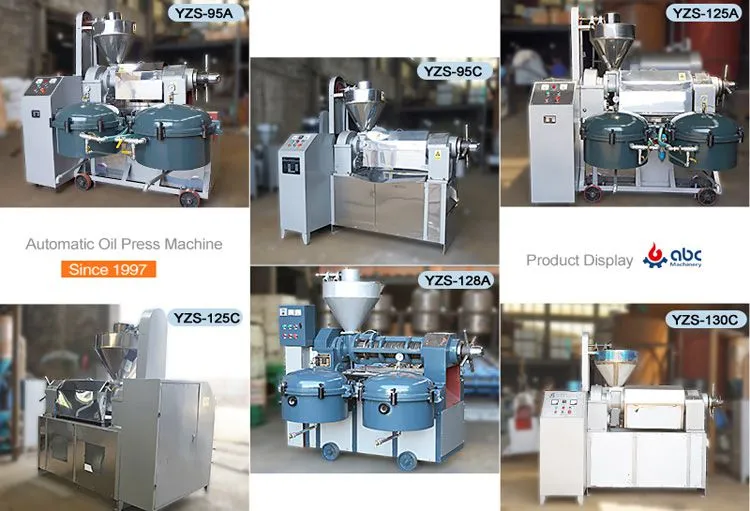
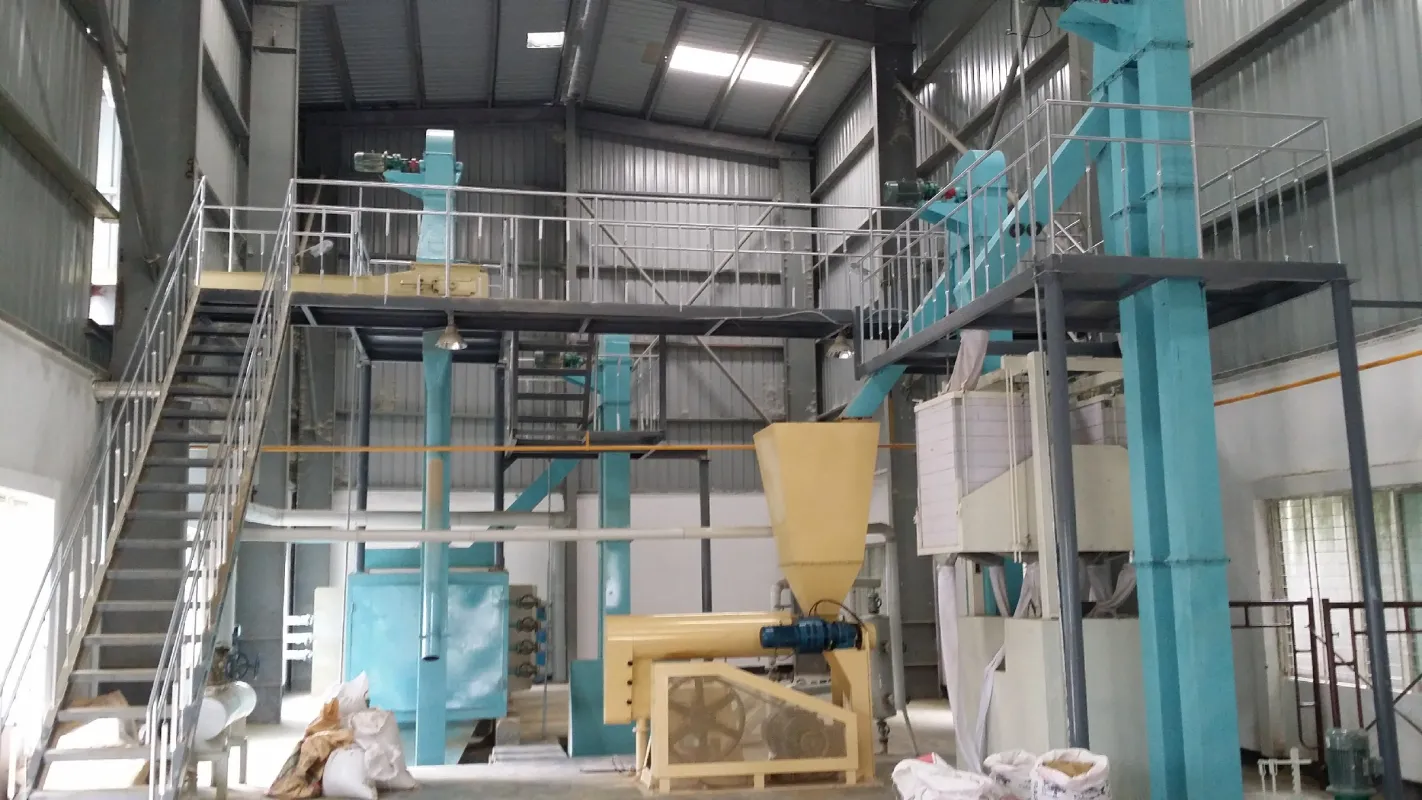
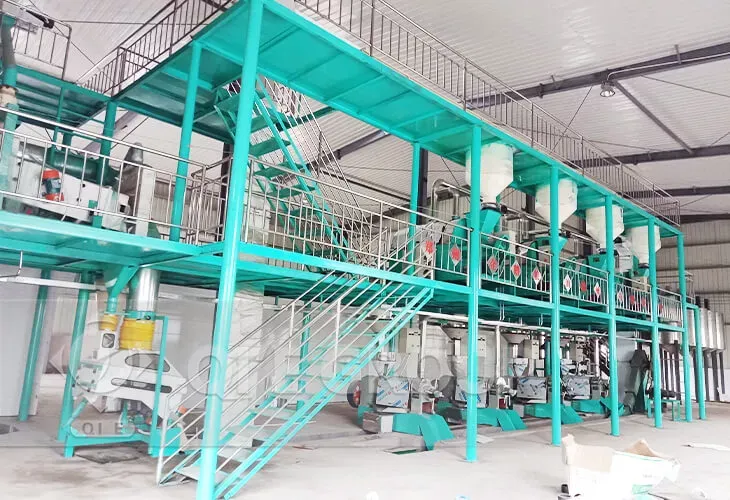
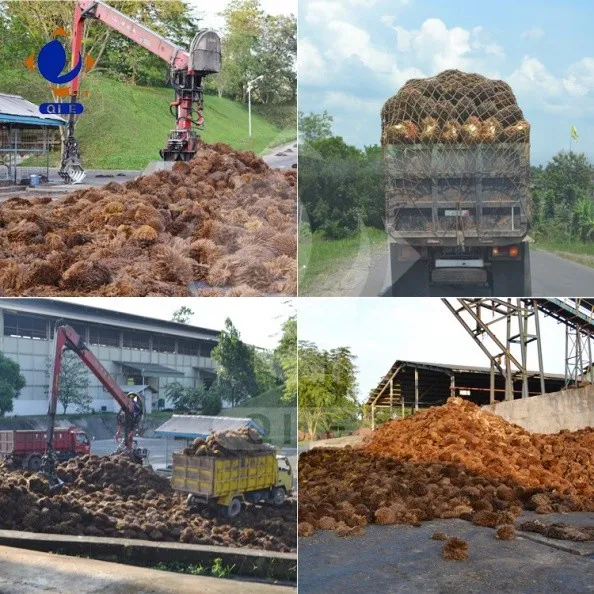
An oil pressing machinery production line is not just an oil press machine—it is an integrated grain & oil processing system that connects oilseed pretreatment (cleaning, dehulling, conditioning, flaking) with pressing, optional solvent extraction, and edible oil refining modules. For overseas buyers evaluating a turnkey setup, understanding how these units link together is the fastest way to define scope, budget boundaries, and expected outputs.
Brand context: Qi'e Grain and Oil Machinery Co., Ltd. (企鹅集团) develops and supplies oil pressing equipment, oil production line equipment, and oil refining equipment, supporting projects across Asia, Africa, and South America.
In practical procurement, a “production line” usually describes a connected process flow—materials enter as oilseeds (e.g., soybean) and leave as crude oil or refined edible oil, with by-products handled in parallel. The line is typically built from several sections, each with its own equipment set and utilities.
A complete oil pressing machinery production line links pretreatment → pressing → (optional) solvent extraction → refining into one engineering scope, with matching conveyors, tanks, heating/cooling, filtration, and control logic.
Using a soybean oil production line as an example, the following modules are commonly used. Depending on capacity targets and product requirements, projects may choose “pressing only” or “pressing + extraction + refining” as the boundary of a turnkey edible oil equipment package.
Application boundary note: Some buyers define a “complete grain & oil processing system” as pretreatment + pressing + refining; others include solvent extraction and solvent recovery as part of the turnkey scope. Your desired product (crude vs refined) and the target utilization of meal/by-products typically decide the boundary.
For a soybean oil production line, common configuration decisions are usually made around extraction and refining depth. The right selection depends on your desired product form, compliance requirements in your market, and operational preferences.
A streamlined setup focusing on mechanical oil expression. Suitable when the project boundary is defined around pressing and crude oil handling, with refining planned separately or by another facility.
Adds an extraction section to recover residual oil from flakes/cake and includes solvent recovery considerations. Often evaluated when oil recovery optimization is a key objective.
A turnkey edible oil equipment scope that delivers refined oil output by integrating degumming, neutralization, bleaching, and deodorization (with optional winterization when needed for low-temperature clarity).
To define the right equipment configuration and layout boundaries, Qi'e Grain and Oil Machinery Co., Ltd. typically aligns on the following project inputs:
Qi'e Grain and Oil Machinery Co., Ltd. (企鹅集团) focuses on the R&D, manufacturing, sales, and service of grain & oil machinery, including oil pressing equipment, oil production line equipment, and edible oil refining equipment. We support customers with equipment supply as well as solution-oriented work such as process design, installation coordination, and technical service—aligned with a people-oriented approach and quality-first mindset.
If you are comparing standalone oil press machines versus a complete grain & oil processing system for soybean, this page can be used as a baseline to define your project boundary and module selection before moving into detailed configuration and engineering discussions.
 400
|
400
|
 cold-heat dual-mode pressing
hydraulic pre-press oil machine
oilseed pressing optimization
improve oil yield
industrial hydraulic oil press
111
|
sesame oil production line
sesame oil processing flow
sesame oil pressing machine operation
sesame oil filtration system
automatic sesame oil bottling line
37
|
peanut oil production line maintenance
peanut oil press maintenance
peanut oil filtration system troubleshooting
lubrication management for oil mill equipment
small oil mill preventive maintenance
222
|
rapeseed oil pretreatment
moisture control 5-8%
conditioning temperature control
rapeseed cooking and flaking parameters
oil yield improvement
400
|
peanut oil refining temperature control
peanut oil yield improvement
PLC automation for oil pressing
cold press vs hot press peanut oil
ISO 22000 HACCP edible oil processing
cold-heat dual-mode pressing
hydraulic pre-press oil machine
oilseed pressing optimization
improve oil yield
industrial hydraulic oil press
111
|
sesame oil production line
sesame oil processing flow
sesame oil pressing machine operation
sesame oil filtration system
automatic sesame oil bottling line
37
|
peanut oil production line maintenance
peanut oil press maintenance
peanut oil filtration system troubleshooting
lubrication management for oil mill equipment
small oil mill preventive maintenance
222
|
rapeseed oil pretreatment
moisture control 5-8%
conditioning temperature control
rapeseed cooking and flaking parameters
oil yield improvement
400
|
peanut oil refining temperature control
peanut oil yield improvement
PLC automation for oil pressing
cold press vs hot press peanut oil
ISO 22000 HACCP edible oil processing