In most small-to-mid oil mills, the real “profit lever” is not only extraction yield—it’s uptime. A peanut oil line that runs steadily at rated capacity can outperform a larger line that stops often. Industry field data commonly shows that 60–75% of unplanned downtime is linked to preventable issues such as poor lubrication, contamination, loose fasteners, and delayed inspection cycles. This guide focuses on daily care, critical component checks, lubrication control, and cleaning workflows—plus early warning signals and fast troubleshooting habits that maintenance teams can apply immediately.
For peanut oil equipment, stability is measurable. Maintenance managers typically track OEE (Overall Equipment Effectiveness), temperature trends, vibration levels, filtration differential pressure, and reject rates. A practical target for a well-managed, mid-sized automated peanut oil production line is 90–95% availability during peak season—assuming raw material quality is controlled and basic preventive maintenance is executed.
Field note: When a line “suddenly becomes noisy,” the root cause is often not the loudest component. It can be a lubrication failure upstream, a misaligned coupling, or filter blockage increasing pump load.
Daily checks are most effective when they are visual + sensory + recorded. A good routine takes 15–25 minutes per shift and reduces “mystery breakdowns” dramatically.
| Area | What to check | Typical trigger to act | Fast action |
|---|---|---|---|
| Pressing section | Abnormal noise, belt/chain tension, motor heat | Noise increase + temperature rising | Stop & verify lubrication, alignment, tension |
| Filtering system | Differential pressure, flow stability, leaks | DP trending up 20–30% | Backwash/replace media; check pump load |
| Pumps & valves | Seal condition, cavitation sound, vibration | Vibration spikes; foamy oil | Check suction line, air ingress, seal wear |
| Electrical cabinet | Fan filters, temperature, terminal tightness | Cabinet hot / dust accumulation | Clean filters; thermal scan monthly |
Use a simple log: date, line speed, motor current, bearing temperature, filter DP, and any unusual sound/smell. When teams record trends, they typically catch issues 3–10 days earlier than “inspection by memory,” especially for filters, pumps, and gearbox wear.

The press is typically the most stressed unit. Stability depends on controlled feeding, correct temperature, and healthy bearings/gearbox. A practical preventive plan is: weekly alignment and fastener checks, monthly bearing temperature comparison, and quarterly wear inspection of key friction parts.
Filtration is where small deviations quickly become quality issues. Many plants see product clarity drift when operators “wait too long” to service filters. In practice, when differential pressure climbs by 20–30% above the normal range, energy use rises and flow becomes unstable—both are clear signs to intervene.
Lubrication is one of the highest-ROI maintenance actions. In many food-processing plants, poor lubrication practices contribute to premature bearing wear and gearbox overheating. A realistic improvement goal is reducing lubrication-related incidents by 30–50% within one quarter after standardizing the process.
Maintenance metric suggestion: Track “lubrication compliance rate” (completed tasks ÷ planned tasks). Plants that keep it above 95% typically report fewer repeat stoppages on the same bearing set.
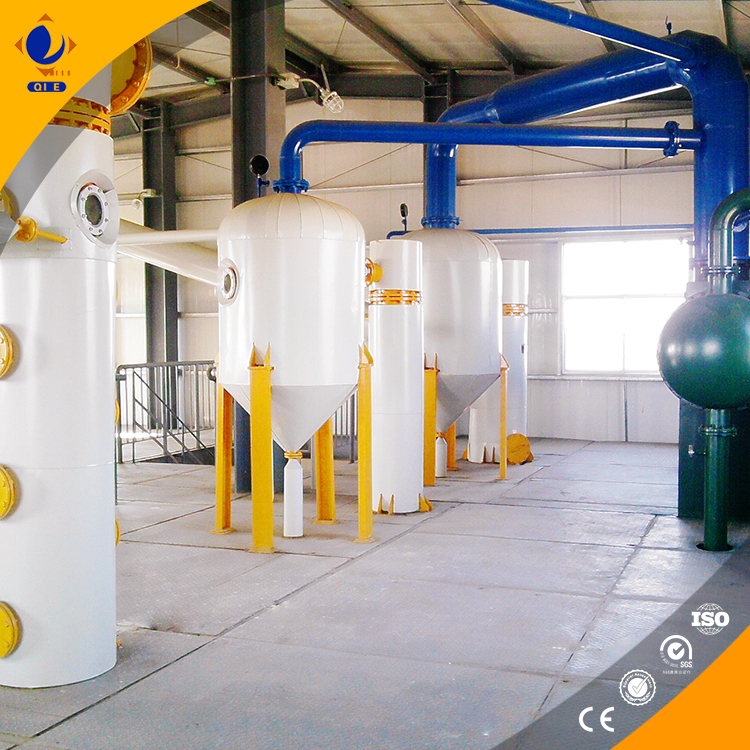
Peanut oil production is sensitive to residue buildup. When cleaning steps are unclear or inconsistent, plants often see longer start-up times, filter clogging, and quality variation. Standardized cleaning—especially around filtration, tanks, and transfer lines—can cut routine cleaning time by 15–25% while improving consistency.
The key is repeatability: define who does what, the inspection standard, and the “ready to run” criteria. This reduces operator-to-operator variation—one of the most underestimated drivers of inconsistent output.
The best troubleshooting is the one that prevents a stop. A maintenance team can dramatically improve response time by linking symptoms to the most likely root causes and verifying with quick checks first.
| Symptom | Likely causes | Verify in 5–10 minutes | Immediate action |
|---|---|---|---|
| Motor current up, output down | Press resistance, misalignment, worn parts | Compare baseline current; check alignment & feed consistency | Reduce load; inspect lubrication & wear |
| Frequent filter clogging | High solids, delayed cleaning, media damage | Check DP trend; inspect seals for bypass | Service filters; improve pre-screening |
| Bearing hot spot | Over/under greasing, contamination, misalignment | Thermal reading + listen for roughness | Correct lubrication; schedule replacement if trend persists |
| Oil leakage at seals | Seal wear, pressure spikes, improper assembly | Inspect seal lip; check pressure stability | Replace seal; verify operating pressure |
Tip for faster diagnosis: Always check the “simple three” first—lubrication, contamination, and loose fasteners. They account for a large share of recurring faults and are quick to confirm.
Equipment lifespan is not only about thickness and weight. In peanut oil processing, long-term reliability is strongly influenced by the right material selection in contact areas, stable sealing, and corrosion/abrasion resistance. Many exporters and serious processors align manufacturing and documentation with widely recognized frameworks such as ISO 9001 quality systems and food-contact expectations aligned with GMP-style control concepts.
For maintenance teams, the key takeaway is practical: when spare parts, seals, and contact components are selected with consistent standards, the plant experiences fewer “repeat repairs” and more predictable maintenance intervals.
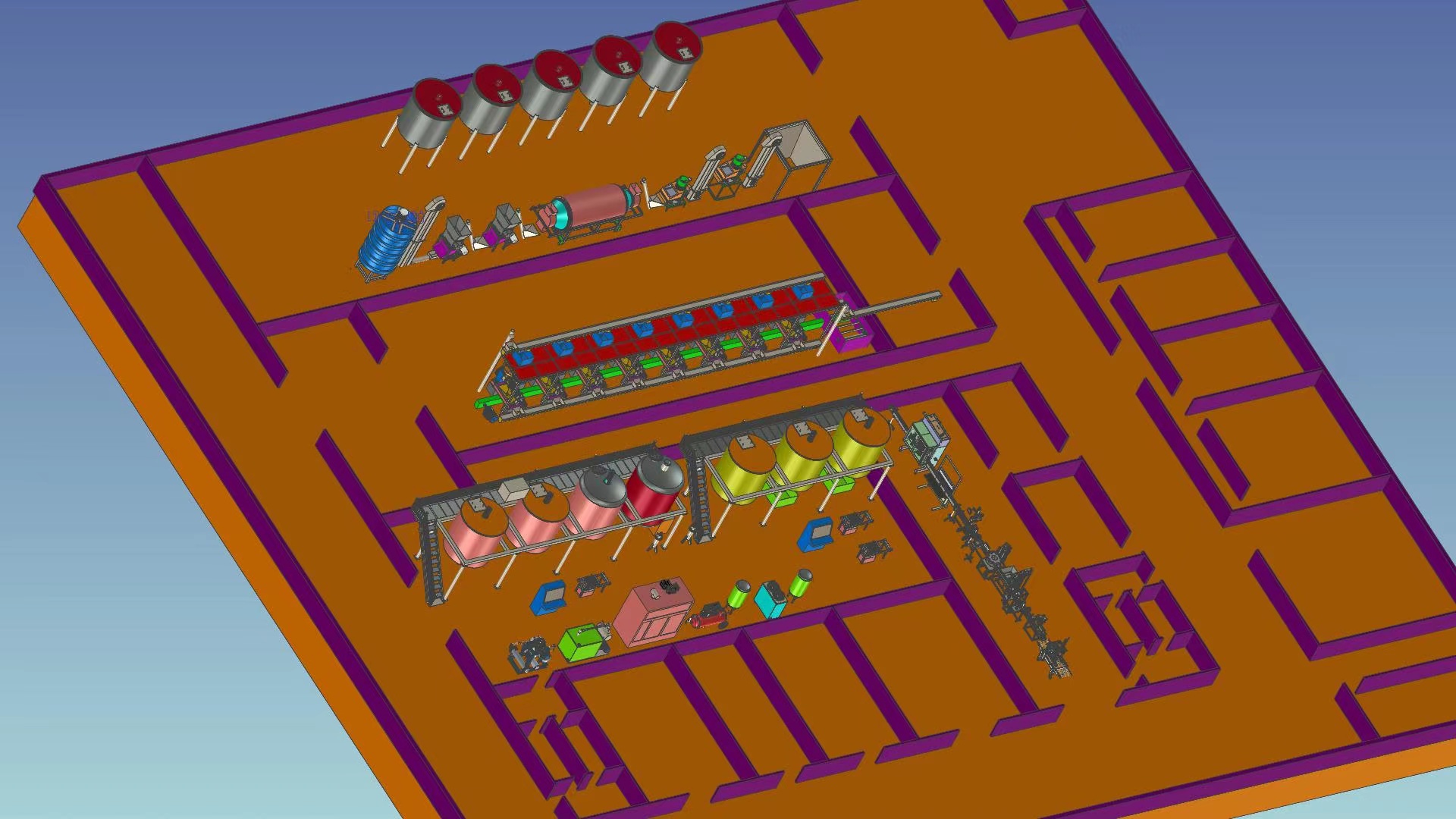
In the awareness stage, many oil mills focus on capacity alone. However, maintainability is often the difference between a line that feels “easy to run” and a line that constantly demands emergency fixes. A well-designed automated peanut oil production line typically supports faster access to wear parts, clearer lubrication points, stable filtration layout, and straightforward cleaning routines.
企鹅集团 focuses on building peanut oil production lines with practical stability in mind—robust core components, maintenance-oriented layout, and documentation that helps teams standardize daily routines. For plants aiming to reduce downtime and make maintenance predictable, this design philosophy tends to pay back quickly through smoother operations.
If your goal is stable output with fewer stoppages, explore a solution built around uptime, easy cleaning, and structured preventive maintenance.
Explore Penguin Group Peanut Oil Production Line (Easy-Maintenance Design)Typical discussion points: capacity range, automation level, filtration configuration, spare parts list, and a preventive maintenance schedule aligned with your operating hours.
 239
|
239
|
 energy-efficient sesame oil extraction equipment
closed-system sesame oil production line
automated sesame oil pressing machine
industrial sesame oil processing equipment
PLC-controlled oil extraction line
104
|
peanut oil refining process
temperature control in oil refining
pressure control in oil pressing
improve oil yield
automated oil pressing system
398
|
peanut oil refining temperature control
peanut oil yield improvement
PLC automation for oil pressing
cold press vs hot press peanut oil
ISO 22000 HACCP edible oil processing
302
|
closed-loop sesame oil production line
sesame oil purity improvement
nutrient retention in sesame oil
low-temperature sesame oil pressing
sesame oil filtration and refining
88
|
energy-efficient sesame oil extraction equipment
closed-system sesame oil production line
automated sesame oil pressing machine
sealed hygienic oil processing system
modular sesame oil plant configuration
energy-efficient sesame oil extraction equipment
closed-system sesame oil production line
automated sesame oil pressing machine
industrial sesame oil processing equipment
PLC-controlled oil extraction line
104
|
peanut oil refining process
temperature control in oil refining
pressure control in oil pressing
improve oil yield
automated oil pressing system
398
|
peanut oil refining temperature control
peanut oil yield improvement
PLC automation for oil pressing
cold press vs hot press peanut oil
ISO 22000 HACCP edible oil processing
302
|
closed-loop sesame oil production line
sesame oil purity improvement
nutrient retention in sesame oil
low-temperature sesame oil pressing
sesame oil filtration and refining
88
|
energy-efficient sesame oil extraction equipment
closed-system sesame oil production line
automated sesame oil pressing machine
sealed hygienic oil processing system
modular sesame oil plant configuration