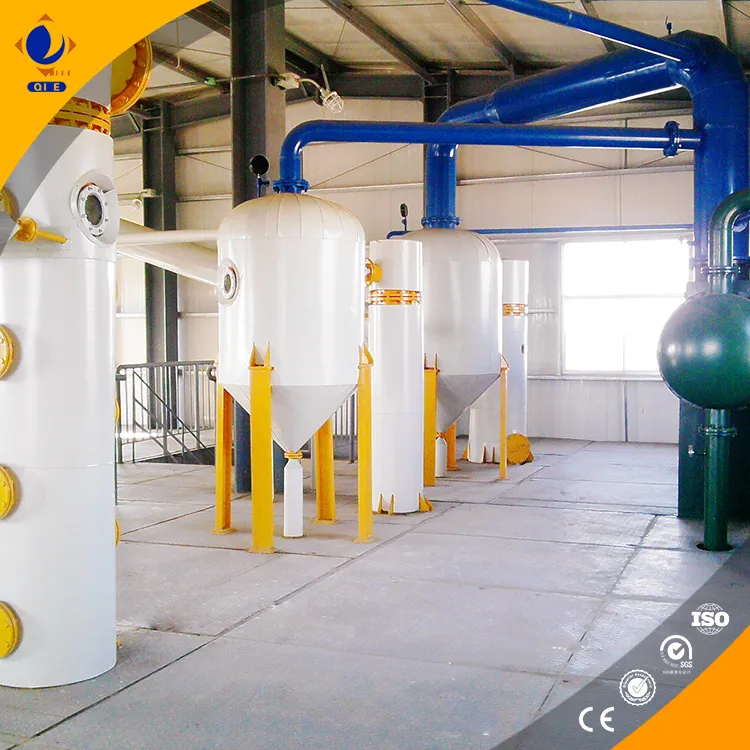
Key Maintenance Techniques for a Stable Peanut Oil Production Line
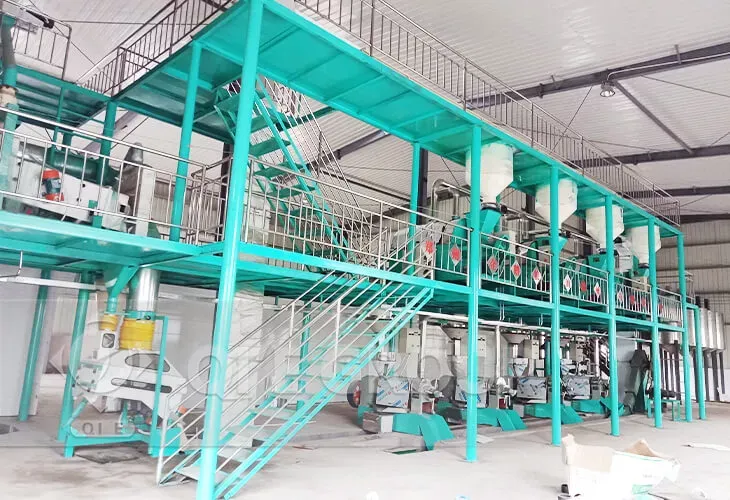
If you run a small or mid-sized oil mill, your biggest cost isn’t always electricity or raw peanuts—it’s unplanned downtime. This guide focuses on peanut oil production line maintenance that keeps throughput stable, improves oil quality consistency, and reduces emergency repairs over the long term.
Below you’ll find four practical modules—daily care, critical component checks (press + filtration), lubrication management, and cleaning workflow—plus peanut oil equipment troubleshooting signals you can act on before a breakdown. Each step is written for your real shift routine: limited time, limited staff, and the need for predictable output.
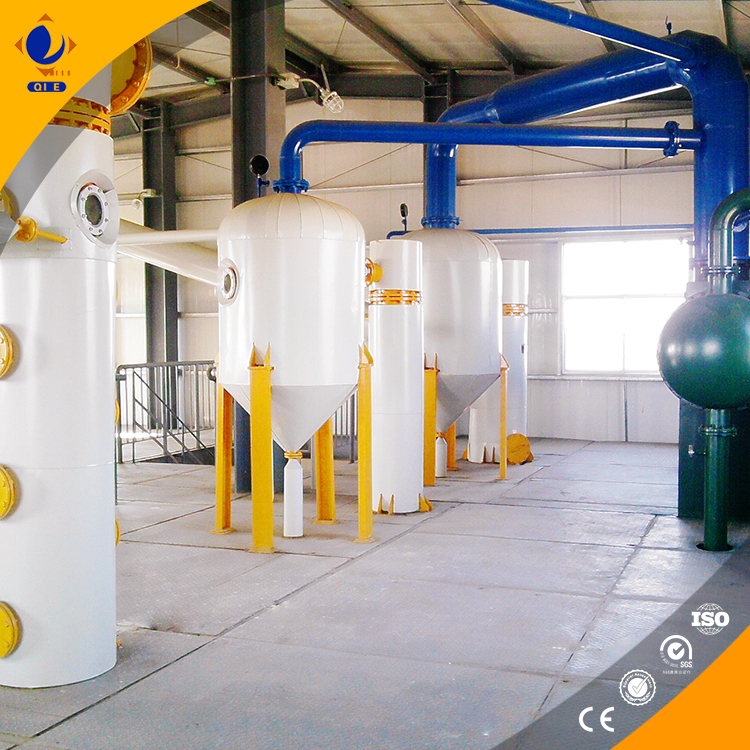
Why Stability Matters More Than Speed (for SMB Oil Mills)
When your line runs “almost fine,” you still pay hidden costs: inconsistent cake discharge, fluctuating oil clarity, higher filter consumption, and rework. A stable line protects your margin in three ways:
- Higher effective throughput: fewer micro-stops often beat a higher theoretical capacity.
- Lower consumables: predictable filtration reduces cloth/paper replacement and pump strain.
- Better quality consistency: stable temperature/pressure reduces off-spec batches and customer complaints.
Module 1: Daily Care That Prevents 80% of Surprise Stops
Your daily checklist should take 15–25 minutes per shift and focus on early signals—sound, temperature, vibration, and leakage—rather than “deep maintenance” you can’t afford every day.
Maintenance Cycle Table (printable logic)
If you want one habit that pays back fast: keep a simple trend log (motor current, press temperature, filtration ΔP). Most failures announce themselves gradually; your log turns “feelings” into decisions.
Module 2: Press & Filtration Checks (Where Most Problems Start)
A) Peanut Oil Press: What to Inspect Without Stopping Production
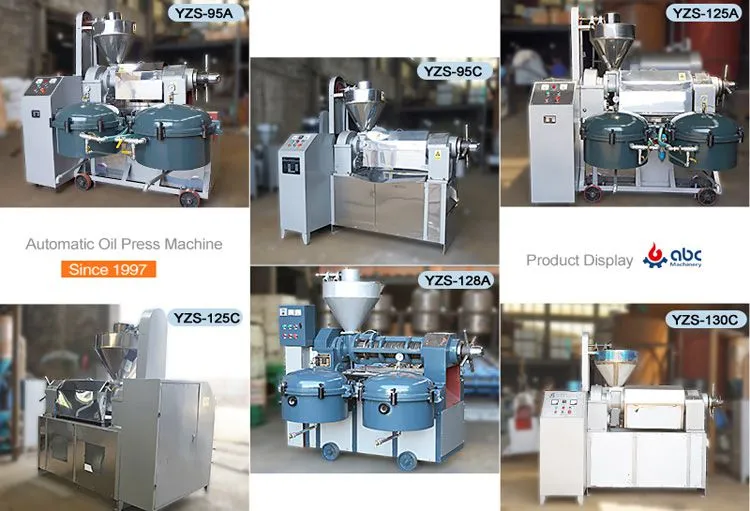
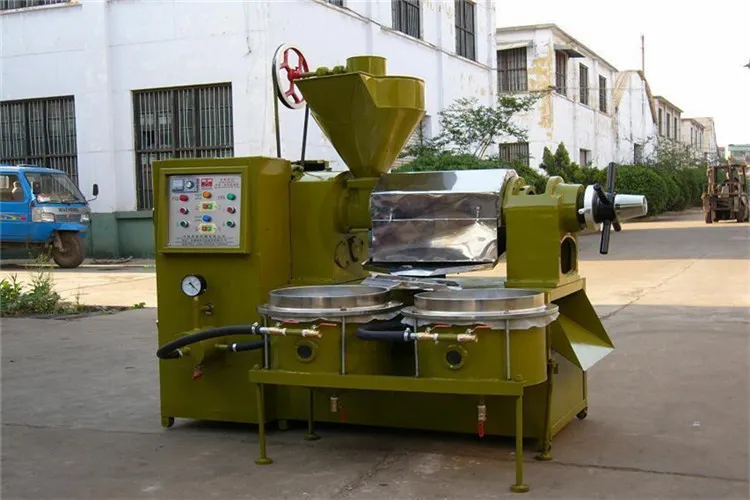
The press is your “heart.” In peanut oil production equipment maintenance, you’re mainly protecting wear parts and preventing overload. During operation, focus on:
- Abnormal sound pattern: grinding/knocking often points to bearing wear or misalignment.
- Load drift: rising motor current can indicate chamber blockage or increasing friction from wear.
- Cake texture changes: overly wet cake may suggest insufficient pressure or feed/temperature instability.
B) Filtration System: Keep ΔP Stable, Keep Quality Stable
Filtration is where “small contamination” becomes “big downtime.” A practical rule: monitor differential pressure (ΔP) and flow together. If ΔP rises while flow drops, you’re heading toward a forced stop.
Fast diagnosis tip: If filtration clogs repeatedly, don’t only blame the filter media. Check upstream: fines in the press output, unstable heating, or poor settling time can overload filters and shorten cycles.
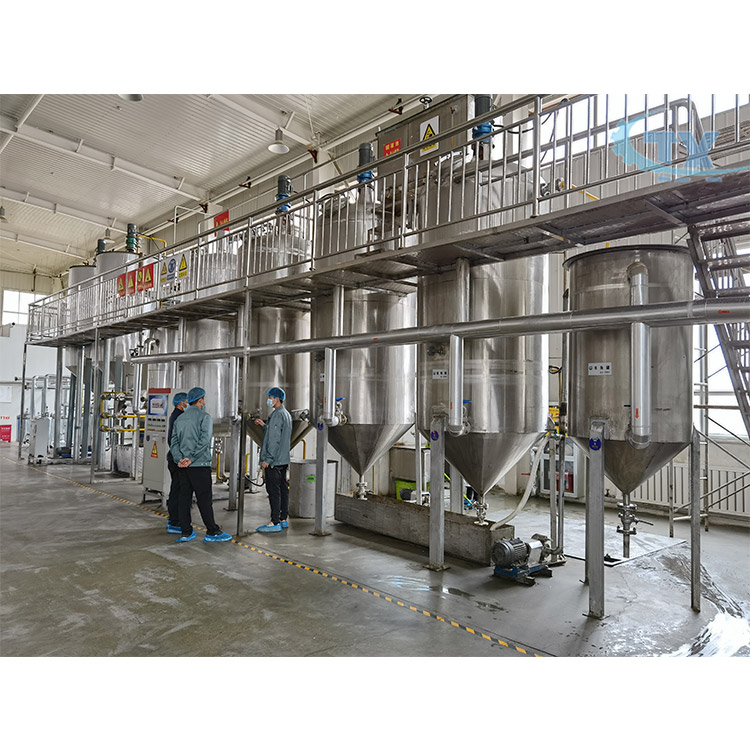
Module 3: Lubrication Management (The Quiet Profit Lever)
Most “mysterious” mechanical failures are not mysterious—lubrication was late, contaminated, or mismatched. For long-term stability, your lubrication plan should be documented like a recipe: where, what type, how much, and when.
- Standardize grease/oil types: avoid mixing products unless the supplier confirms compatibility.
- Protect from contamination: store lubricants sealed; wipe fittings before applying.
- Use condition cues: rising gearbox temperature or darkened oil is a warning—act before failure.
In practice, improving lubrication discipline alone can reduce bearing and gearbox incidents by 20–40% in many small plants, especially where maintenance is reactive.
Module 4: Cleaning Workflow Optimization (Clean Faster, Restart Safer)
Cleaning isn’t just hygiene—it’s mechanical protection. Residue buildup increases resistance, drives temperature up, and accelerates wear. The goal is a repeatable routine that your team can execute without improvisation.
A practical “cleaning-to-restart” sequence
- Lockout & cool-down check: confirm safe temperature before opening covers.
- Dry removal first: scrape/brush solids before any wet/chemical step.
- Inspect seals and gaskets: replace early; a small leak can contaminate product and damage bearings.
- Restart with a short observation window: 10–15 minutes to monitor noise, vibration, and leaks.
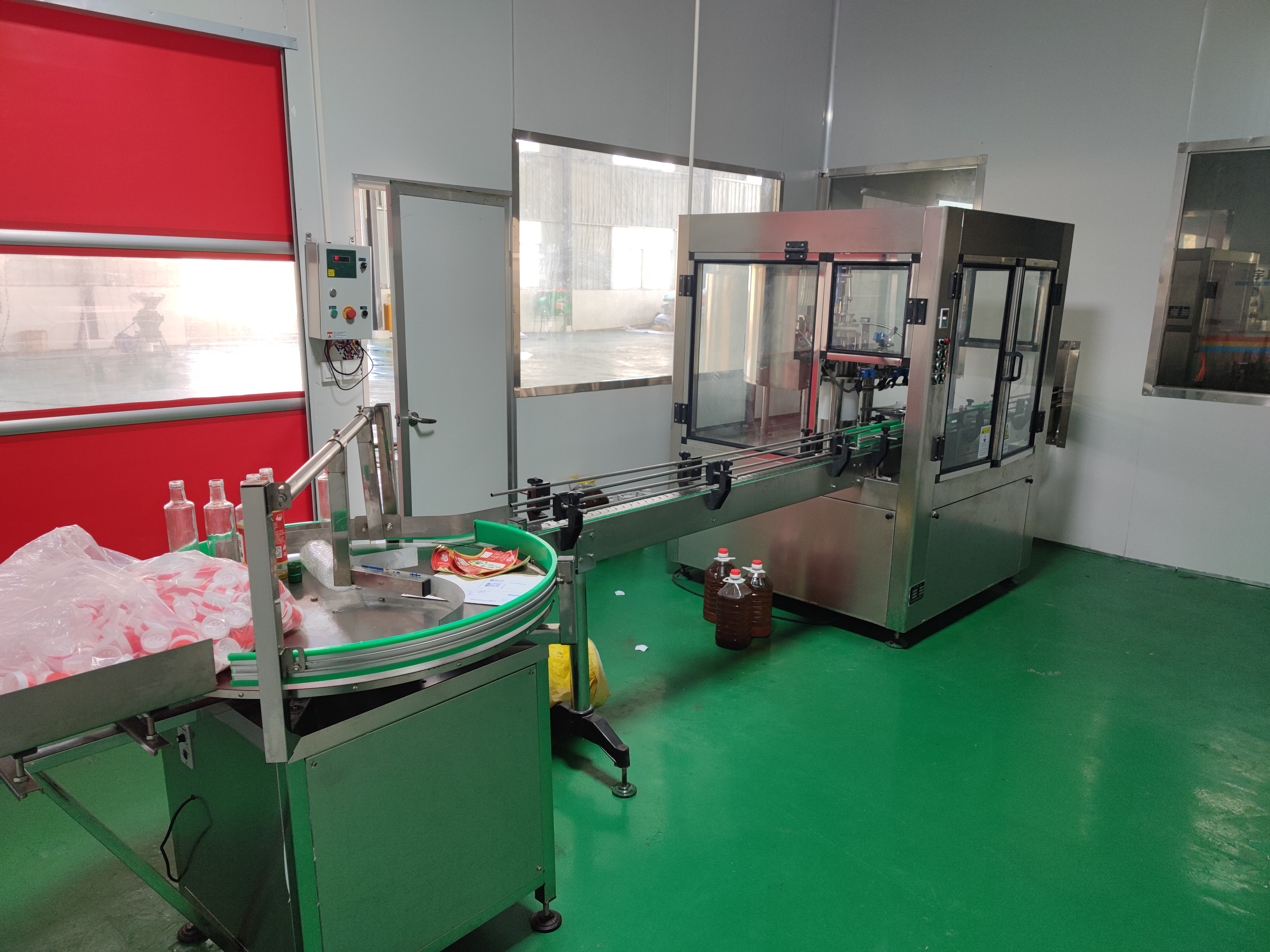
Common Fault Signals & Rapid Troubleshooting (On-Shift Ready)
When something changes mid-shift, you need a quick decision tree—not a long manual. Use this table to connect symptoms to likely causes and first actions. It supports peanut oil equipment fault troubleshooting without guessing.
| Warning Signal | Likely Root Cause | Fast Check | First Action |
|---|---|---|---|
| Motor current trending upward | Press chamber friction, blockage, wear | Check cake discharge & feed consistency | Reduce load; inspect wear parts at next stop |
| New vibration or knocking | Bearing wear, coupling misalignment | Feel housing heat; listen for periodic knocks | Plan controlled stop; avoid “run-to-failure” |
| Filtration ΔP rises fast | Excess fines, poor settling, clogged media | Check upstream clarity & temperature stability | Backwash/replace media; adjust pre-treatment |
| Oil leak near shaft/seal area | Seal wear, pressure spikes, installation issue | Inspect seal lips & shaft condition at stop | Replace seal early; prevent contamination risk |
Materials & Standards: The “Invisible” Factor Behind Long Service Life
For many small mills, maintenance becomes expensive because the equipment wears too fast—especially in high-friction zones and parts exposed to heat, oil, and cleaning cycles. Choosing components made with internationally recognized, food-appropriate materials can materially reduce wear and secondary failures.
At Penguin Group, we emphasize durability-driven design: our equipment uses internationally certified materials in key contact and wear areas to help reduce abrasion, maintain dimensional stability, and lower the frequency of part replacement. That directly supports your goal: a low-maintenance, sustainable production rhythm, not a constant repair schedule.
High-Value Next Step (If You Want Stability Without Extra Headcount)
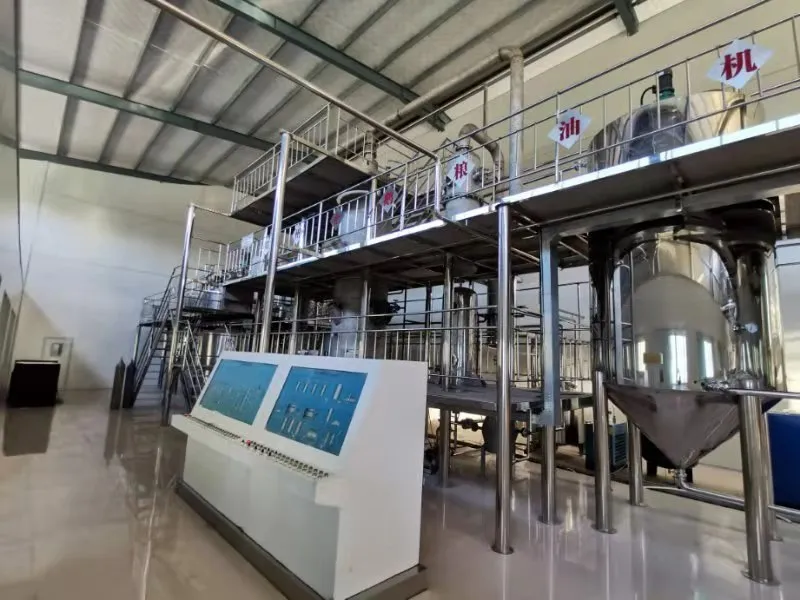
If you’re planning a new line—or trying to stabilize an existing one—your best ROI usually comes from a complete view: pressing + filtration + process control + maintenance planning as one system. That’s how you reduce stop-start losses and make your output predictable for buyers.
Get a Complete Peanut Oil Production Line Solution with Maintenance-Ready Design
Explore a turnkey approach—equipment selection, wear-part strategy, and a practical maintenance checklist built for small and mid-sized oil mills.
View Penguin Group Peanut Oil Production Line SolutionIf you share your daily capacity, main equipment model, and your most frequent stoppage reason (press overload, filter clogging, leakage, or electrical trips), you can map the four modules above into a maintenance calendar that your team can actually follow.