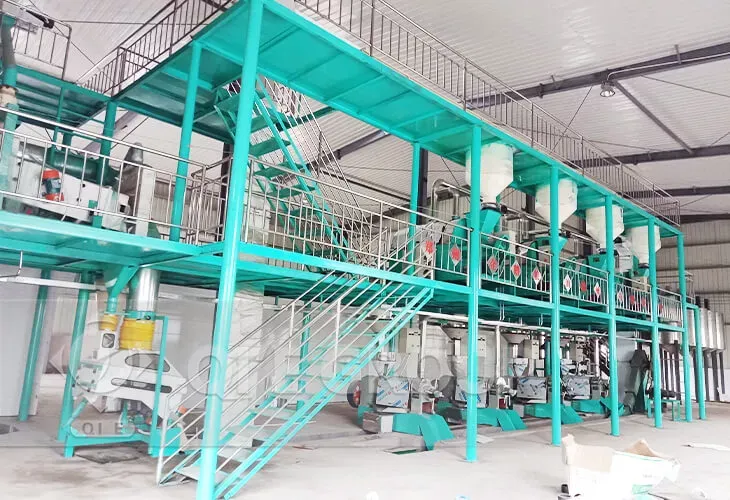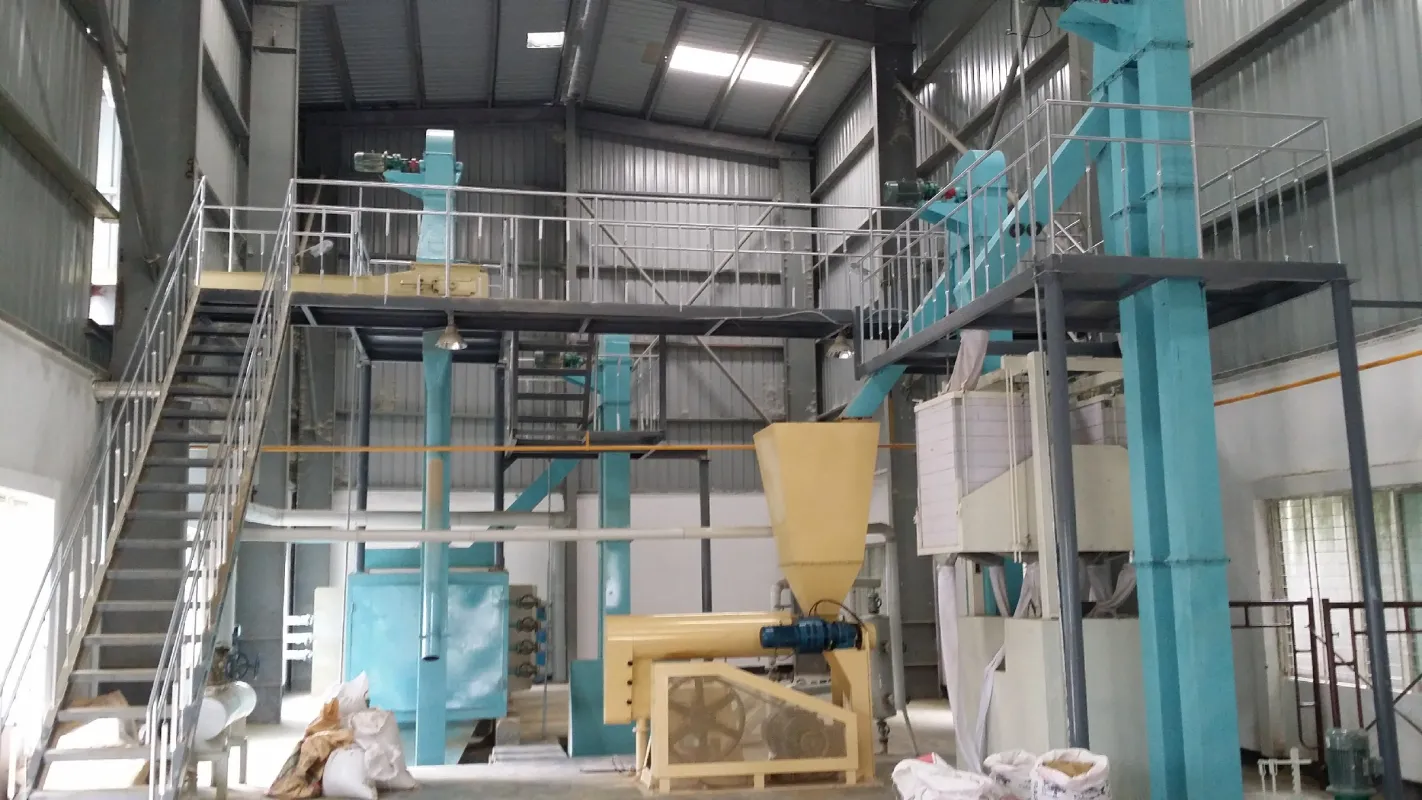
For small and mid-sized peanut oil mills, “stable uptime” is not a slogan—it is the difference between predictable delivery and constant firefighting. A well-maintained peanut oil production line typically achieves 92–97% operational availability, while lines without structured maintenance often drop below 85% due to unplanned shutdowns, contamination cleanups, and premature wear. The following guide breaks down the daily care, scheduled checks, lubrication discipline, and fast troubleshooting that keep critical equipment—especially the oil press and filtration system—running smoothly over the long term.
Field note: Most “sudden” failures are actually slow-developing issues. In practice, 60–70% of major stoppages show clear early signals (temperature drift, vibration changes, filter differential pressure rise) that can be caught with a simple routine.
Many mills optimize for maximum hourly throughput, but long-term profitability is usually driven by a calmer metric: consistent yield + consistent quality + predictable maintenance windows. When a peanut oil line runs stable, operators can keep press parameters steady, reduce off-spec batches, and maintain food safety routines without rushing. From a business perspective, fewer surprise stops can improve effective output by 8–15% over a season—even with the same rated capacity—because time is not lost to cooling, restarting, re-filtering, and re-cleaning.
Reference ranges vary by capacity, raw material moisture, and whether the line is cold press or hot press; the management logic stays the same.
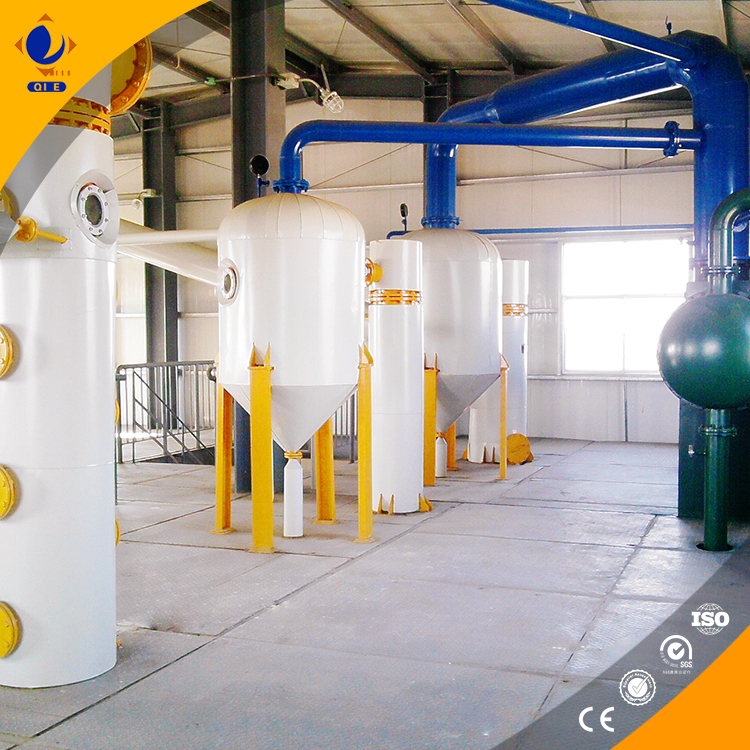
Daily maintenance should be short, repeatable, and measurable—otherwise it gets skipped. A strong approach is a 10–15 minute checklist per shift that focuses on the “failure multipliers”: heat, friction, contamination, and loose connections.
Operator habit that saves equipment: write down “normal” values (sound, temperature feel, pressure range). Even without advanced sensors, a consistent baseline allows teams to catch drift early—before it becomes a seized bearing or collapsed filter cake.
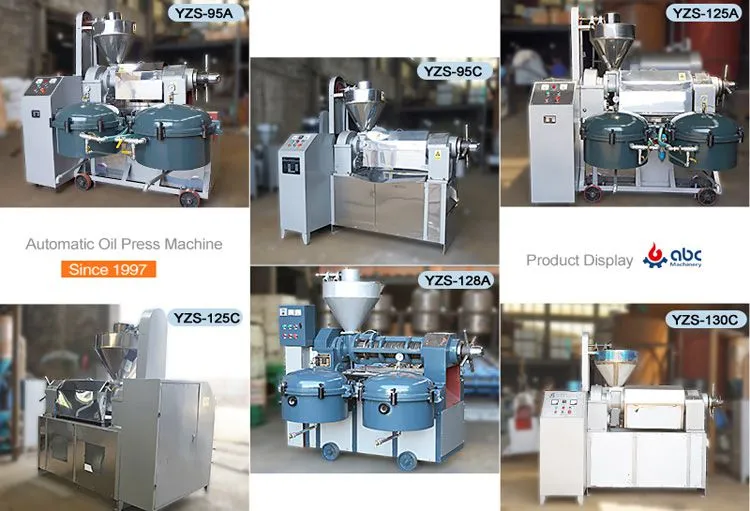
In a peanut oil production line, the pressing machine is the highest-load component. Stable long-term operation depends on keeping the press in a “balanced” state: steady feeding, stable temperature, consistent back pressure, and healthy lubrication.
Common root cause: unstable feeding (peanut moisture fluctuations, inconsistent pretreatment) creates load swings, which then cause temperature drift and accelerate screw wear. Tightening upstream raw material control often reduces press maintenance frequency.
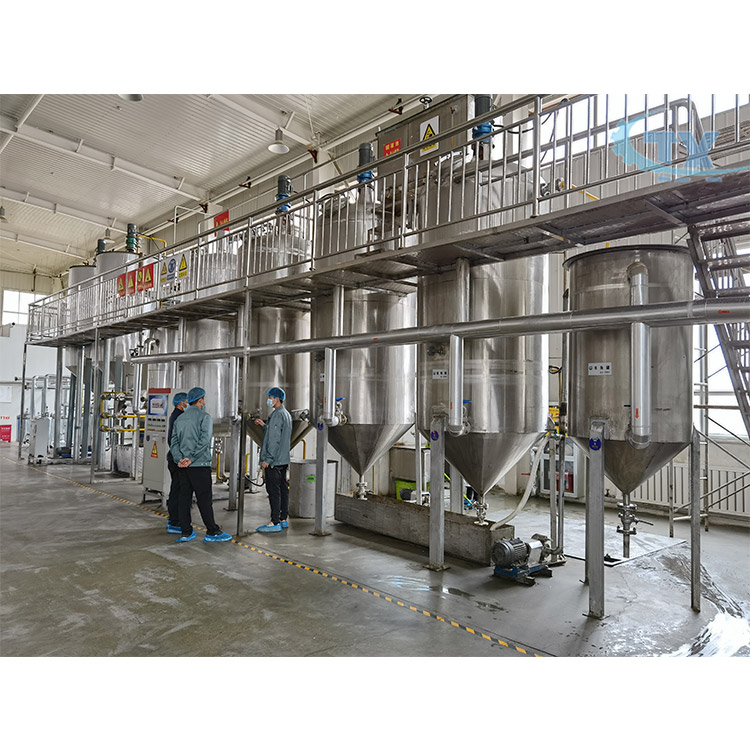
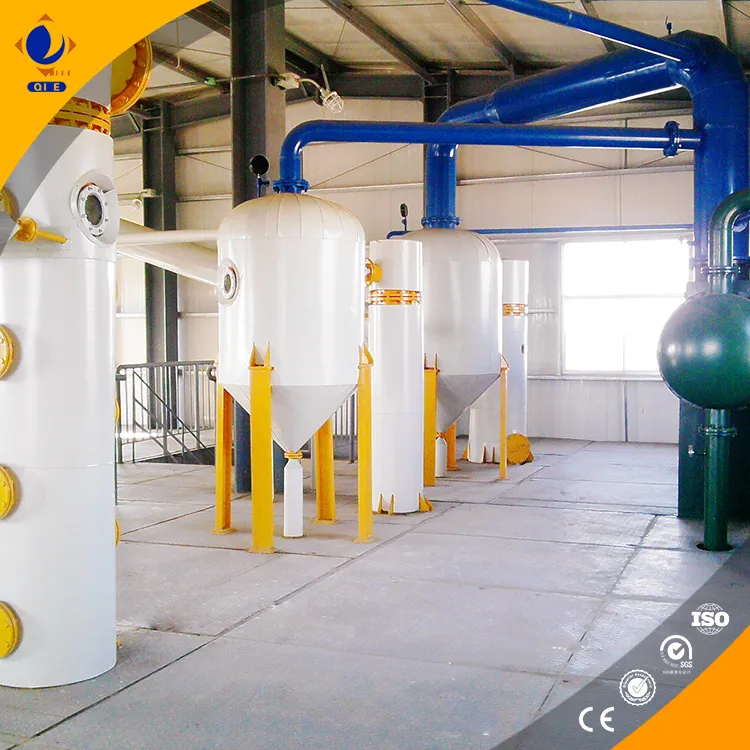
Filtration is where many plants lose hours—especially when filter cake collapses, media clogs too fast, or seals fail and introduce leaks. A stable filtration routine does two things: keeps oil clarity consistent and protects downstream equipment from fines that act like abrasives.
Quick diagnostic clue: If ΔP rises much faster than usual, suspect upstream fines increase, damaged filter cloth/media, or improper cake formation—not just “bad filters.”
Lubrication is often treated as routine, but it is one of the highest ROI practices in any oil mill. Plants that implement simple lubrication control (right lubricant, right quantity, right interval, clean handling) commonly reduce bearing/gearbox failures by 25–40% in a year.
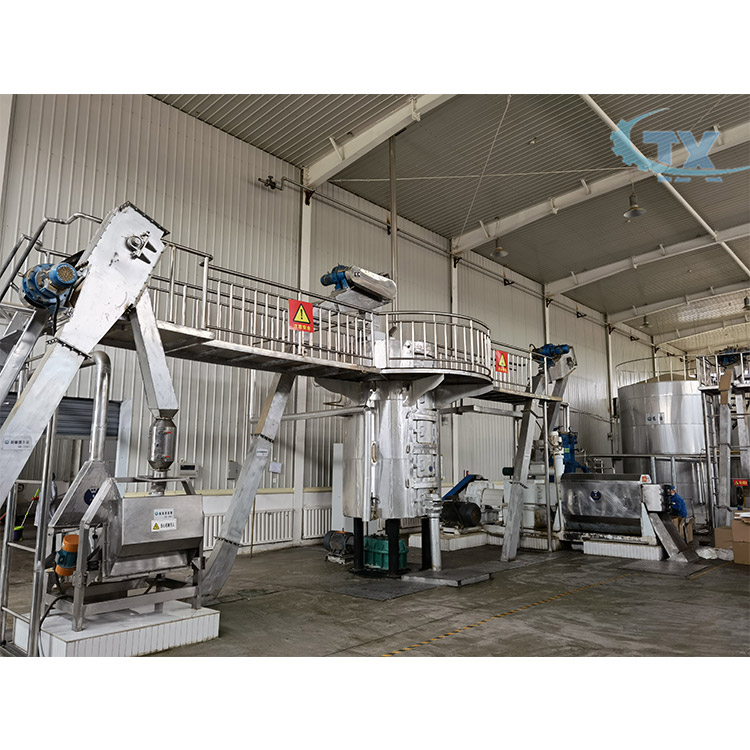
Cleaning is not only about appearance—it directly impacts stability. Residues harden, trap moisture, and become a contamination source that forces emergency shutdowns. The best plants adopt a “short-cycle cleaning” strategy: small, frequent cleans that avoid long, disruptive deep cleans.
Stop & lockout → Remove residues → Dry wipe / controlled wash → Inspect wear points → Lubricate → Reassemble & torque check → Trial run (5–10 min) → Record baseline values
Keep records simple: date, operator, part checked, measured/observed change, action taken. Consistency beats complexity.
A maintenance team’s advantage is speed: spotting the right signal and isolating the cause before the line stops. Below are common warning patterns that apply to most peanut oil processing equipment.
| Warning signal | Likely cause | Fast check (10 minutes) |
|---|---|---|
| Bearing area hotter than normal | Low/incorrect grease, misalignment, overload | Confirm lubrication interval, inspect coupling alignment, check feed stability |
| Press motor current spikes | Moisture change, blockage, screw wear | Check raw material condition, inspect discharge, verify screw/cage condition |
| ΔP rises quickly in filtration | High fines load, damaged media, poor cleaning | Inspect filter media, verify cleaning procedure, check press settings for fines |
| Oil clarity fluctuates batch to batch | Seal bypass, inconsistent cake formation | Check gasket condition, tighten sealing surfaces, stabilize filtration cycle time |
Practical standard: Many plants align maintenance records with common quality and safety expectations (e.g., documented cleaning, traceable part changes, food-contact materials). When records are clean, audits are calmer—and maintenance becomes easier to justify internally.
Long-term stability is not only about “working harder” on maintenance—equipment design and materials decide how forgiving the line is. Using international-standard materials in high-wear and food-contact zones (commonly including 304/316 stainless steel for product contact and properly treated alloy steels for load-bearing parts) helps reduce corrosion, pitting, and contamination risk. In real operations, better material choices can extend service intervals and reduce recurring repairs—especially in humid environments or where cleaning cycles are frequent.
For teams that want a more structured approach, 企鹅集团 typically recommends building a “maintenance rhythm” around three layers: daily operator checks, weekly mechanical verification, and monthly condition-based reviews. It is simple enough for small plants, yet strong enough to prevent recurring failures that quietly drain profit.
If your team is upgrading or planning a more stable setup, explore a solution designed for long-term operation, fast cleaning, and easier service access. A well-matched line can turn maintenance from “emergency work” into a controlled routine.
Explore the Peanut Oil Production Line from 企鹅集团Tip: Share your daily capacity, raw material condition, and preferred process (cold/hot press) to receive a maintenance-oriented configuration suggestion.
 398
|
398
|
 cold-heat dual-mode pressing
hydraulic pre-press oil machine
oilseed pressing optimization
improve oil yield
industrial hydraulic oil press
39
|
closed-system sesame oil production
export-grade sesame oil processing
sesame oil quality control
automatic sesame oil pressing line
low-temperature sesame oil pressing
300
|
sesame oil production line process
sesame oil processing steps
automatic sesame oil bottling line
sesame oil filtration system
oil press maintenance
110
|
sesame oil production line
sesame oil processing flow
sesame oil pressing machine operation
sesame oil filtration system
automatic sesame oil bottling line
320
|
closed sesame oil production system
sesame oil purity improvement
sesame oil contamination control
sesame oil filtration technology
international food safety compliance
cold-heat dual-mode pressing
hydraulic pre-press oil machine
oilseed pressing optimization
improve oil yield
industrial hydraulic oil press
39
|
closed-system sesame oil production
export-grade sesame oil processing
sesame oil quality control
automatic sesame oil pressing line
low-temperature sesame oil pressing
300
|
sesame oil production line process
sesame oil processing steps
automatic sesame oil bottling line
sesame oil filtration system
oil press maintenance
110
|
sesame oil production line
sesame oil processing flow
sesame oil pressing machine operation
sesame oil filtration system
automatic sesame oil bottling line
320
|
closed sesame oil production system
sesame oil purity improvement
sesame oil contamination control
sesame oil filtration technology
international food safety compliance