Peanut Oil Refining: Temperature and Pressure Control to Improve Yield and Purity
QI ' E Group
2026-03-16
Application Tips
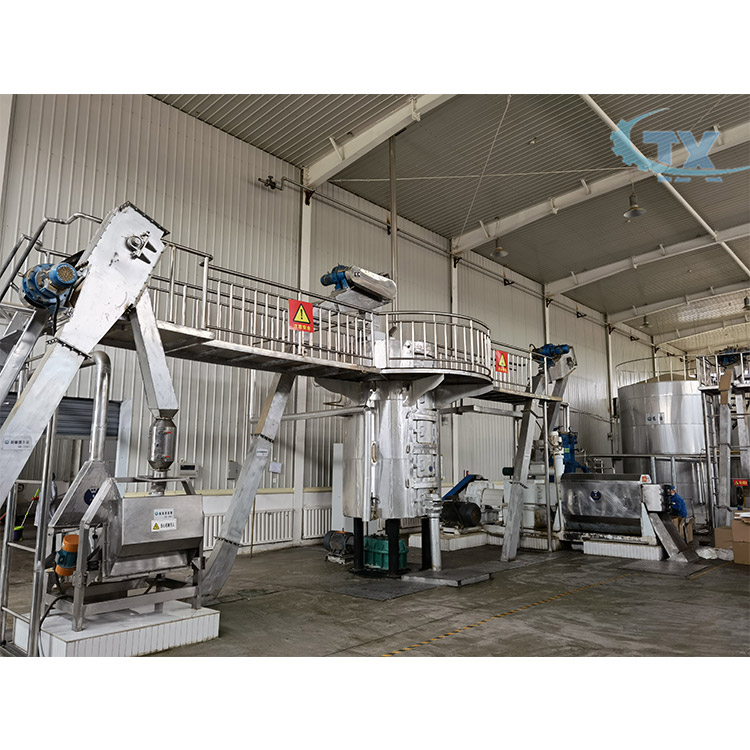
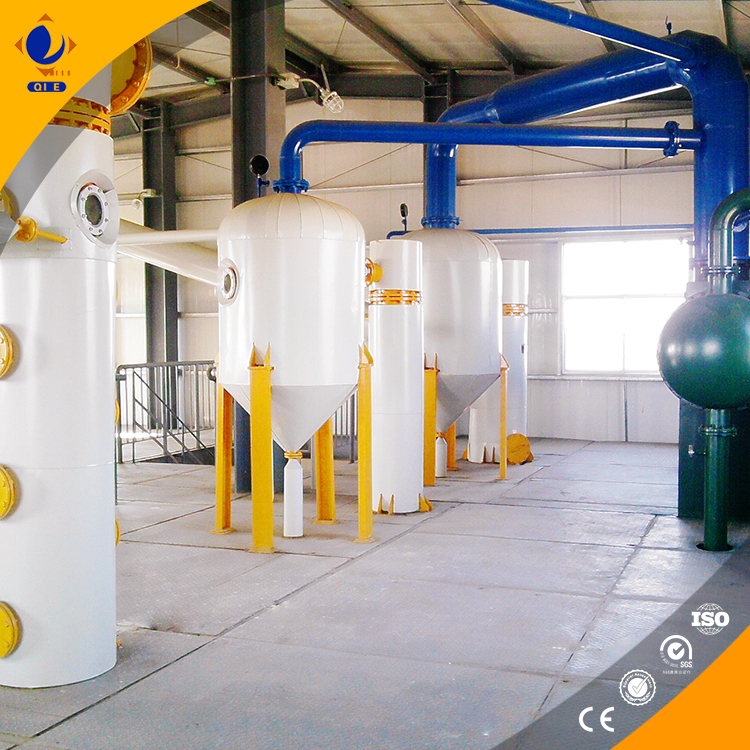
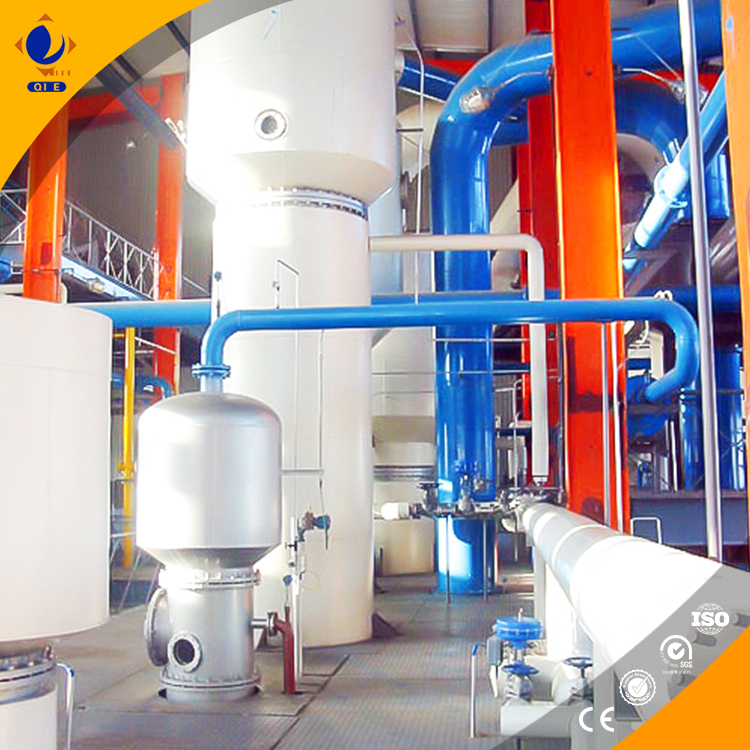
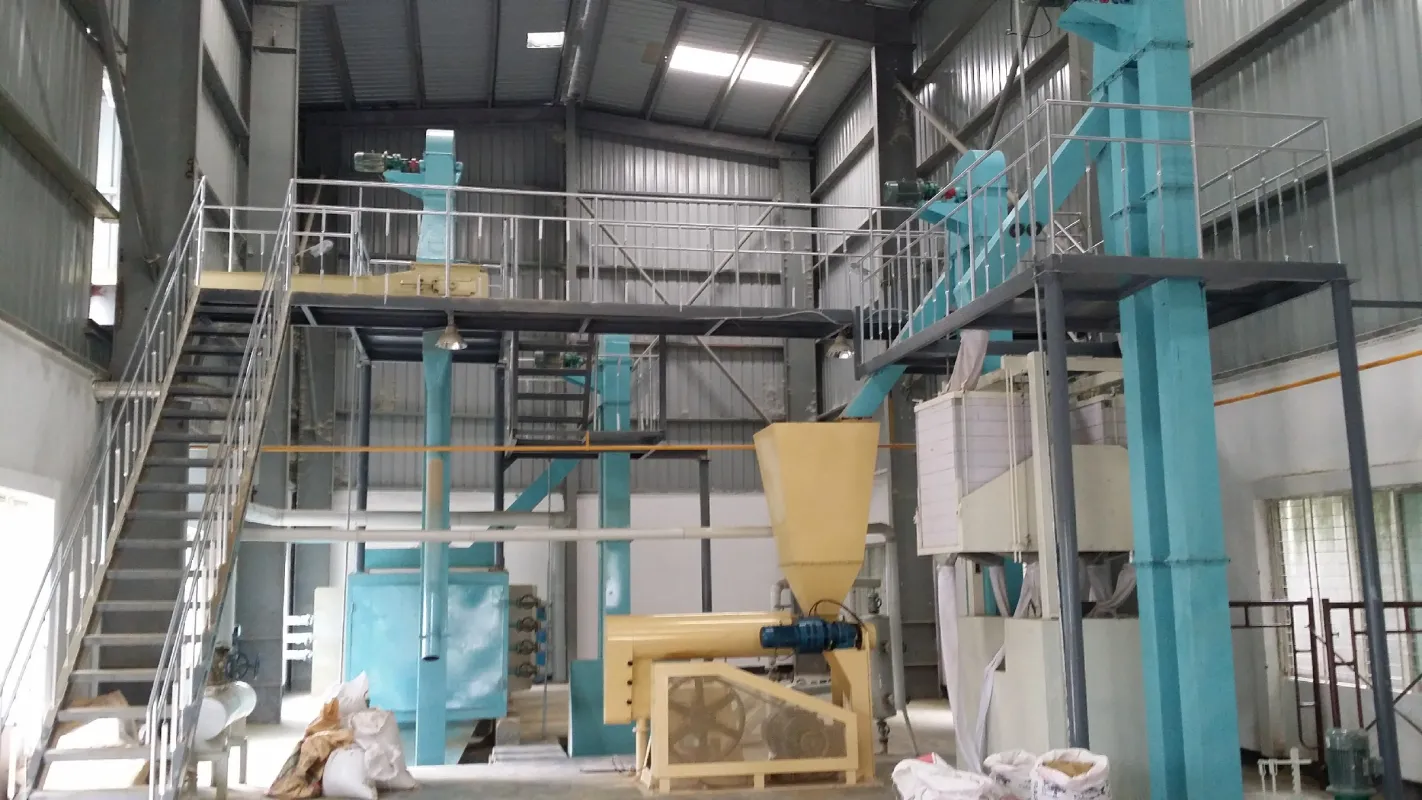
This technical briefing explains how precise temperature and pressure control improves peanut oil yield, impurity removal efficiency, and final product purity across a complete refining line. It reviews critical setpoints and control logic from raw material cleaning, crushing and dehulling through roasting, pressing, filtration, and refining, showing how coordinated parameter tuning reduces losses while protecting key nutritional components. The article also highlights how automated press and process control systems standardize operations, reduce human variability, and support energy-efficient, stable production at scale. Practical examples illustrate measurable quality gains after optimizing roasting temperature profiles and filtration accuracy. In addition, it connects process monitoring and documentation to internationally recognized food safety and quality frameworks, including ISO 22000 and HACCP, helping B2B manufacturers build consistent compliance-ready peanut oil production with higher reliability and market value.
How Temperature & Pressure Control Improves Peanut Oil Yield in Refining Lines (Practical Guide for Standardized Production)
In industrial peanut oil production, “more yield” and “better purity” are rarely achieved by a single upgrade. The consistent winners are disciplined temperature windows, stable pressure curves, and a control strategy that makes every batch behave like the best batch. This article maps where temperature and pressure matter most—from pretreatment to refining—then connects parameter control to measurable outcomes (oil recovery, impurity removal, and oxidation stability) under ISO 22000 and HACCP expectations.
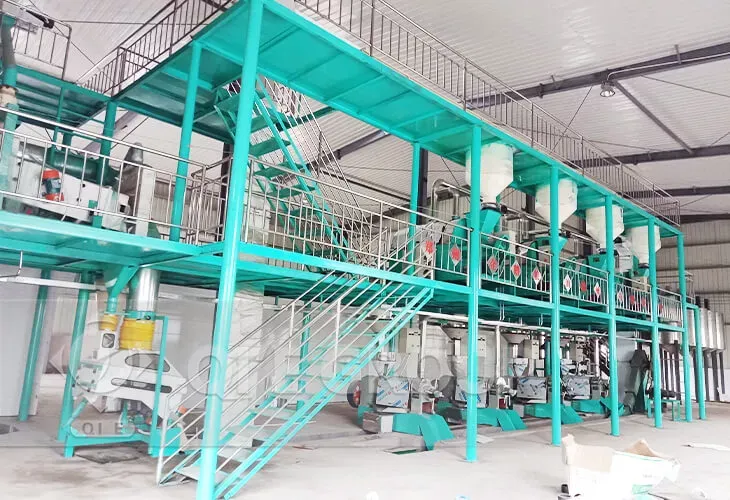
Process Flow: Where Heat and Pressure Create (or Destroy) Yield
Peanut oil yield is not “set” at the press alone. It is largely decided earlier—by moisture uniformity, cell rupture efficiency, and how quickly the system removes oil without cooking it. A robust refining line therefore treats temperature and pressure as linked variables, not isolated setpoints.
Temperature Control: Practical Windows That Usually Move the Needle
Temperature influences oil viscosity, protein denaturation, cell-wall permeability, and oxidation rate. For B2B manufacturers targeting stable export quality, the goal is not “higher heat”—it is repeatable conditioning that supports pressing efficiency and downstream refining.
1) Roasting / Conditioning (Most Sensitive Stage)
In many commercial lines, the conditioning exit temperature for peanuts/flakes is typically controlled within 110–140°C (product-dependent), with a target moisture of about 2.5–4.5%. Within this band, oil flow improves while the cake remains permeable. Above the optimal band, scorching risk rises, peroxide value trends upward, and filtration loads increase.
2) Press Feed Temperature (Stability Beats Peaks)
Press feed temperature is often held around 80–105°C to keep viscosity low without accelerating oxidation. A frequent root cause of yield loss is temperature “sawtooth” behavior: short bursts above setpoint followed by cooling. That pattern destabilizes the press load and increases residual oil in cake.
3) Filtration Temperature (Oil Clarity and Throughput)
Clarification commonly performs better when crude oil is kept in the range of 55–75°C (equipment and filter media dependent). Too cool: waxes and fines increase differential pressure. Too hot: some filter aids lose efficiency and the line may struggle to hold stable ΔP.
Pressure Regulation: How to Increase Extraction Without Overloading the System
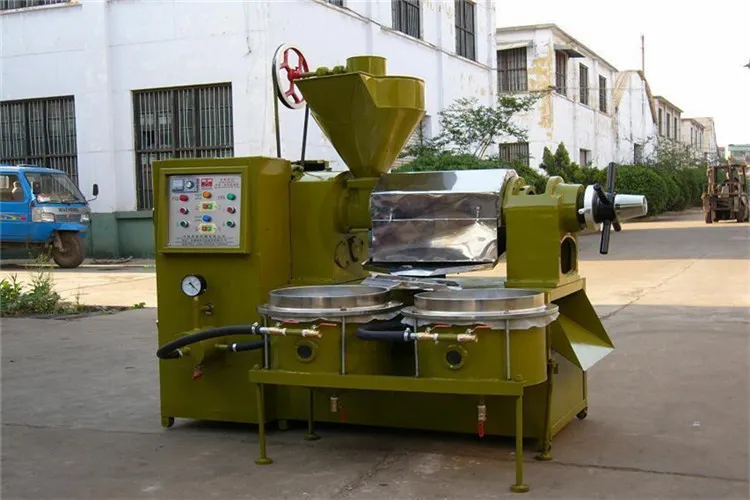
Pressure is not simply “higher is better.” For screw presses and hydraulic systems, what matters is a controlled pressure curve that matches the material’s changing permeability as oil exits. Excessive compression at the wrong time creates impermeable cake, raising motor load while trapping oil.
A common best practice is to manage pressing with stage-wise compression (e.g., gradually increasing resistance) while stabilizing feed rate. Many processors report that tightening control on feed rate (±2–3%) and maintaining a stable press load can reduce residual oil in cake by 0.6–1.2 percentage points, depending on cultivar and pretreatment quality.
Filtration: Differential Pressure (ΔP) as a Quality Signal
In plate-and-frame or leaf filtration, maintaining a stable ΔP window is often the most actionable control for clarity. When ΔP rises early, it typically indicates fines carryover from pressing/conditioning or insufficient settling. As a reference target, many lines operate at 0.8–2.0 bar (system-specific), triggering backwash/cloth change based on ΔP slope rather than time alone.
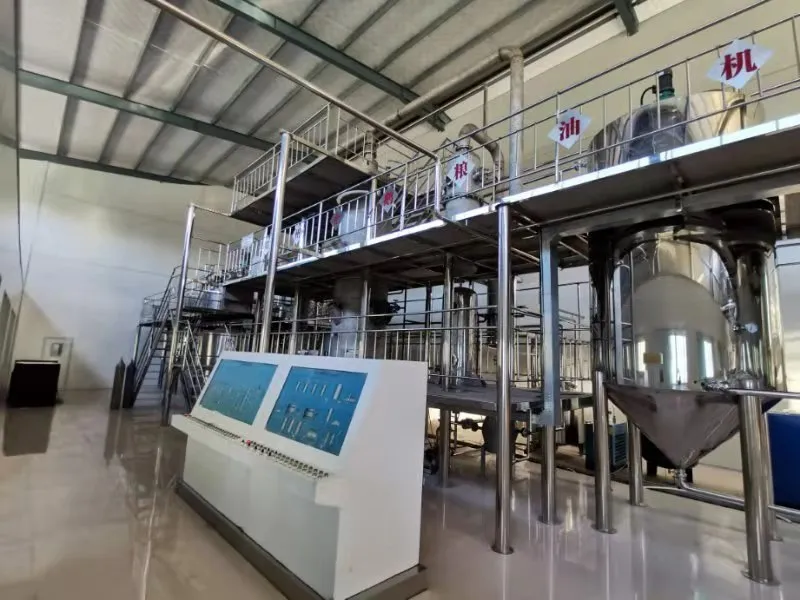
Deodorization: Vacuum Level and Thermal Load
Deodorization relies on temperature plus vacuum. Typical deodorization temperatures for peanut oil are often in the 220–250°C range with vacuum commonly around 2–6 mbar (process and quality goals dependent). A stable vacuum reduces residence time and can help preserve desirable flavor notes while meeting odor specifications.
Parameter Comparison Table: What Changes After Tight Control
The table below reflects common before/after patterns seen when plants move from manual adjustment to tighter temperature/pressure control with trend-based decisions. Values vary by peanut variety, initial moisture, equipment condition, and refining targets, but the directionality is consistent across many industrial setups.
Control Item
Typical Loose Control
Tight / Automated Control Target
Operational Impact (Reference)
Conditioning exit temp
±12–18°C swings
±3–5°C stability
More stable press load; residual oil in cake often improves by 0.6–1.2 pts
Press feed rate
Manual; ±8–10%
Closed-loop; ±2–3%
Less overload trips; higher effective throughput 3–8%
Filtration ΔP management
Time-based changes
Trend-based ΔP triggers
Clearer crude oil; reduces refining load, soapstock losses can drop 0.1–0.3%
Deodorization vacuum stability
Frequent vacuum drift
Stable 2–6 mbar band
Lower odor variation; better oxidation stability and consistent sensory profile
Case Reference: What Happened After Adjusting Roasting Temperature & Filtration Fineness
Automation Control System: Making the Best Parameter Set Repeatable
For export-oriented plants, the operational advantage of an automation pressing system is not only labor reduction—it is traceability, repeatability, and audit-ready records. When production data can be trended and alarms are meaningful, managers stop “chasing problems” and start preventing them.
Recommended Control Loops (High ROI)
Roaster/conditioner exit temperature with material temperature sensing (not only air temperature).
Moisture balancing (inline or frequent sampling) to keep press permeability stable.
Press motor load + feed rate coupling to avoid cake sealing and overload trips.
Filtration ΔP trend alarms and automatic sequence control for backwash/changeover.
Deodorization vacuum + temperature with interlocks to protect quality during vacuum drift.
Energy and Quality: Why Tight Control Also Saves Cost
Stable temperature reduces overheating and rework. Stable pressure reduces recirculation and clogging events. In many food oil plants, better control typically translates into 2–6% energy efficiency improvement across heating and pumping loads—especially when insulation, heat recovery, and optimized residence times are implemented together.
This is where 企鹅集团 positions its engineering mindset: consistent production logic, measurable operating windows, and equipment designed to support standardized outcomes rather than “operator-dependent” performance.
ISO 22000 & HACCP Alignment: Parameter Control as Evidence, Not Just Practice
Buyers and auditors rarely accept “we do it carefully” as proof. Under ISO 22000 and HACCP, temperature and pressure records become part of evidence that hazards are controlled and that the process is validated. The most audit-friendly plants treat control points as measurable, logged, and reviewed.
Practical Documentation That Auditors Expect
Calibrated sensors for temperature, pressure, vacuum; calibration intervals defined and followed.
Batch/lot traceability from incoming peanuts to finished oil COA linking critical parameters.
Trend reviews: weekly/monthly dashboards showing stability indices (standard deviation of key setpoints).
Build a Higher-Yield, Audit-Ready Peanut Oil Refining Line
If the goal is higher extraction with stable export-grade purity, the fastest path is usually a line design that treats temperature and pressure as a single control strategy—supported by automation, trend visibility, and disciplined documentation.
CTA: Request a Technical Proposal for an Automated Peanut Oil Refining Production Line
Share your target capacity, raw peanut profile, and finished oil specifications to receive a control-point map (temperature/pressure/vacuum), recommended sensor list, and an efficiency-oriented equipment configuration designed for ISO 22000 / HACCP execution.