Penguin Group | B2B Refining Process Insight
In peanut oil manufacturing, “roasting” is often treated as a flavor step. In practice, it is a yield-and-quality lever that determines how effectively oil bodies are released, how much oxidation is triggered, and how consistently downstream refining removes impurities. When the roasting temperature is optimized and controlled with industrial discipline, the result is not a one-off improvement—it becomes a repeatable production advantage across batches and seasons.
Roasting changes peanut microstructure. Heat disrupts cell walls and protein matrices that hold oil bodies, lowering oil viscosity and improving flow during pressing or pre-press extraction. At the same time, excessive temperature accelerates oxidation and degrades sensitive micronutrients (for example, tocopherols) while intensifying Maillard reactions that can complicate refining (higher color bodies, more polar compounds).
Industrially, the target is not “hotter is better.” The target is a stable thermal window where oil is liberated efficiently, moisture is managed for press performance, and the chemical load entering refining is controlled. This is where your every step optimization will convert into a replicable productivity advantage.
Most commercial peanut oil lines operate roasting in the broad range of 120–180°C depending on peanut variety, moisture, desired flavor profile, and whether the line is positioned as hot-pressed aromatic oil or a more neutral base for deep refining. The key is understanding the trade-offs by zone and locking the zone with measurable controls (kernel temperature, not just air temperature).
Notes: Ranges are industry references; actual results depend on variety, initial moisture, roaster design, airflow, oxygen exposure, and press configuration.
B2B oil plants rarely fail because they lack a target temperature; they fail because the line cannot reproduce the same heat history for different lots. A practical approach is to define a multi-stage roasting curve with clear acceptance criteria: preheat, ramp, soak, and controlled discharge/cooling—measured by kernel temperature and supported by inline moisture checks.
Typical balanced target: kernel temperature peaks around 145–155°C with a controlled soak; moisture often managed toward ~2.5–3.5% prior to pressing (site-specific validation required).
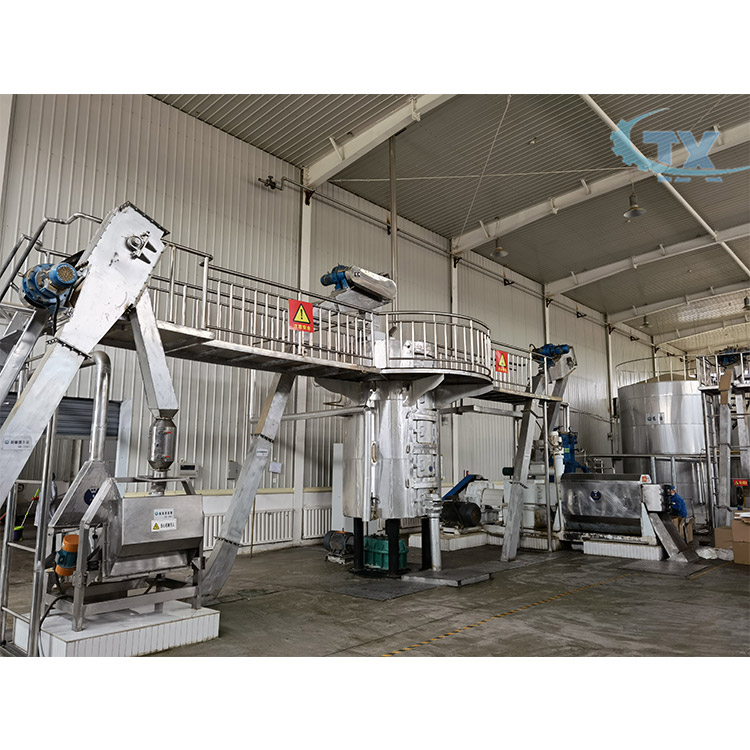
In many plants, operators rely on drum temperature and experience. The problem is that drum/air temperature is a lagging indicator; kernel temperature and moisture are what the press “feels.” A PLC control system—paired with reliable sensors, alarms, and recipe management—reduces variability, improves traceability, and supports ISO 22000 and HACCP-aligned verification.
Consistency (batch-to-batch)
Manual lines commonly see crude oil color and press cake residual oil swing with operator shifts. PLC recipes typically reduce key parameter variation (kernel peak temperature) to within ±2–3°C, supporting more stable refining performance.
Yield capture (press efficiency)
In field projects, moving from “by-feel” roasting to a controlled curve often improves effective oil recovery by ~0.8–1.8 percentage points (e.g., lower residual oil in cake), depending on baseline and raw material variability.
Refining load (impurities & color bodies)
Over-roasting increases non-triglyceride compounds that can raise bleaching demand and deodorization stress. Better roasting control can reduce bleaching earth dosage by ~5–15% in some setups while making finished oil color easier to standardize.
Buyers often frame the debate as “cold-pressed is healthier.” For B2B producers, the decision is more nuanced: cold pressing can preserve delicate compounds but frequently yields less oil and may require tighter raw material quality. Hot pressing with controlled roasting can deliver strong throughput and a stable flavor profile—especially when refining is engineered to protect key nutrients.
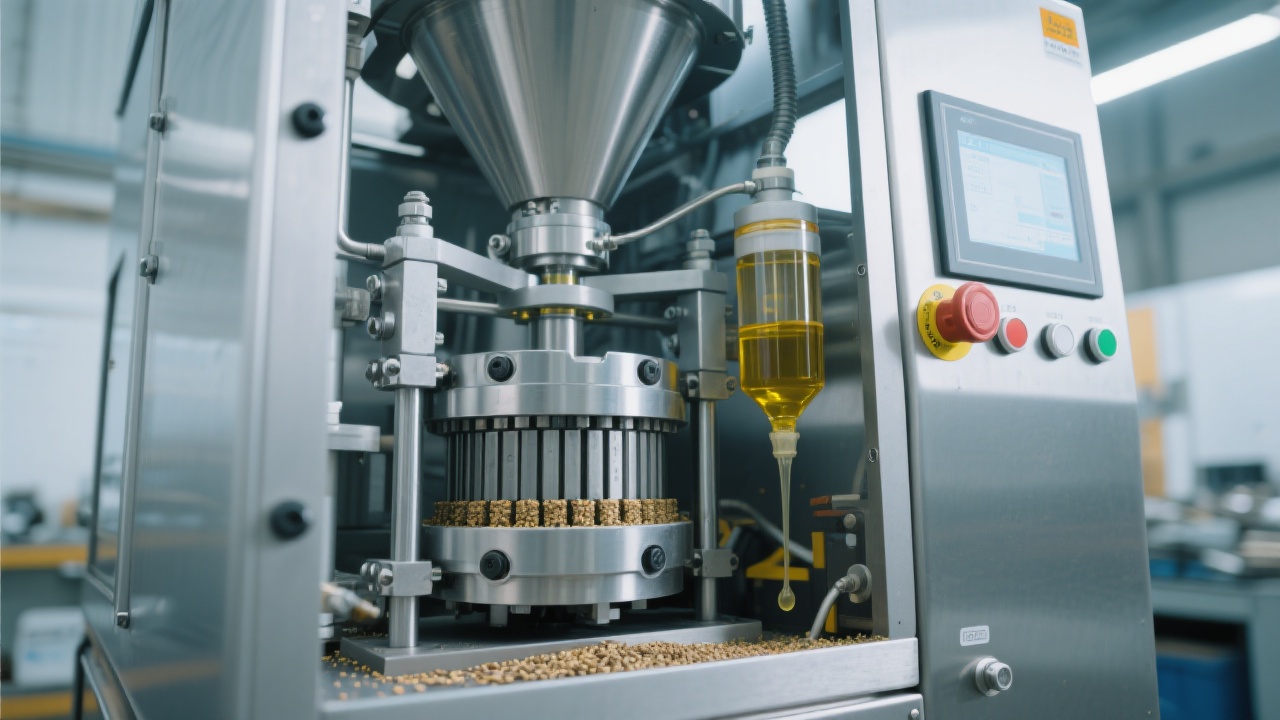
For international buyers, “good flavor” is not enough—process control and documentation reduce supply risk. Roasting parameters can be integrated into HACCP as controlled conditions (with defined monitoring, corrective actions, and verification). Under ISO 22000-aligned systems, digital records from PLC recipes strengthen traceability: which lot was roasted at what curve, for how long, with what deviations and actions.
Practically, this means defining measurable checkpoints: raw peanut moisture and aflatoxin screening, kernel temperature verification, press cake residual oil trend monitoring, crude oil filtration differential pressure, and finished oil quality indices. When each station “hands over” stable input to the next, the whole line becomes easier to run, easier to audit, and less dependent on individual operators.
In a typical medium-capacity peanut oil facility upgrading from manual roasting control to recipe-based PLC control, teams often focus on three KPIs: oil recovery, refining stability, and rework rate. After parameter validation (usually 2–4 weeks including trials across raw material lots), a common pattern is improved press stability and fewer out-of-spec color events.
Figures are representative references for process discussions; validate with site trials and lab testing protocols.
The fastest path is to treat roasting as a controlled unit operation with clear inputs and outputs. Leading plants typically start with raw material segmentation (by moisture and size), then validate a small set of roasting recipes that map to those segments. The recipe count stays low (often 3–5), but execution is strict: alarms for temperature deviation, interlocks for discharge, and trend charts tied to shift handover.
If your team is targeting higher peanut oil yield with stable flavor and audit-ready documentation, a roasting curve + PLC recipe strategy is one of the highest-ROI process upgrades. Your every step optimization will convert into a replicable productivity advantage—especially when pressing and refining are tuned as one system.
Request a Peanut Oil Refining Process Optimization ChecklistPenguin Group supports B2B manufacturers with practical process validation frameworks, automation-ready SOPs, and documentation structures aligned with global food safety expectations.
 398
|
398
|
 cold-heat dual-mode pressing
hydraulic pre-press oil machine
oilseed pressing optimization
improve oil yield
industrial hydraulic oil press
302
|
closed-loop sesame oil production line
sesame oil purity improvement
nutrient retention in sesame oil
low-temperature sesame oil pressing
sesame oil filtration and refining
107
|
closed-system sesame oil production line
automated sesame oil pressing
sesame oil filtration technology
sesame oil quality control
energy-efficient oil processing equipment
471
|
sesame oil production line
sesame oil production process
sesame oil equipment maintenance
automatic bottling line
oil press troubleshooting
88
|
energy-efficient sesame oil extraction equipment
closed-system sesame oil production line
automated sesame oil pressing machine
sealed hygienic oil processing system
modular sesame oil plant configuration
cold-heat dual-mode pressing
hydraulic pre-press oil machine
oilseed pressing optimization
improve oil yield
industrial hydraulic oil press
302
|
closed-loop sesame oil production line
sesame oil purity improvement
nutrient retention in sesame oil
low-temperature sesame oil pressing
sesame oil filtration and refining
107
|
closed-system sesame oil production line
automated sesame oil pressing
sesame oil filtration technology
sesame oil quality control
energy-efficient oil processing equipment
471
|
sesame oil production line
sesame oil production process
sesame oil equipment maintenance
automatic bottling line
oil press troubleshooting
88
|
energy-efficient sesame oil extraction equipment
closed-system sesame oil production line
automated sesame oil pressing machine
sealed hygienic oil processing system
modular sesame oil plant configuration