Rapeseed Oil Pretreatment: Moisture and Temperature Control to Improve Oil Yield
QI ' E Group
2026-03-24
Application Tips
In rapeseed oil production, pretreatment performance is often the deciding factor behind stable press operation, lower residual oil, and consistent product quality. This article explains how your plant can improve oil yield by controlling two core variables—moisture and temperature—across cleaning, crushing, cooking/conditioning, and flaking. You will find practical target ranges (typically 5%–8% moisture depending on seed condition and process route), coordination logic between heat and humidity, and troubleshooting guidance for common issues such as material caking, paste formation, and low oil flow. For raw materials with high impurities or fluctuating moisture, we also outline parameter fine-tuning strategies and recommend plotting a moisture–temperature trend curve to keep every batch on-spec. Choose Penguin Group’s intelligent temperature control system to help each lot of rapeseed reach its optimal conditioning state and keep your line running steadily.
Moisture & Temperature Control in Rapeseed Oil Pretreatment: Practical Settings That Protect Yield
In your rapeseed oil production line, pretreatment is not “just preparation”—it is where yield is either secured or silently lost. Across cleaning, crushing, cooking/conditioning, and flaking, the two variables that most consistently decide pressing performance are moisture and temperature. When they drift, you see it immediately: cake too wet, press slippage, unstable amperage, higher residual oil, or uneven extraction.
Below is a step-by-step, shop-floor friendly guide to dialing in those parameters—especially when raw material quality changes by supplier, season, or storage. The targets are realistic reference values used in industrial operations and can be fine-tuned to your press type and desired meal specifications.
Why Moisture + Heat Decide Oil Release (More Than You Think)
Rapeseed cells hold oil behind protein matrices and cell walls. Controlled heat softens these structures, while correct moisture creates the right plasticity for deformation during flaking and pressing. Too dry and the material becomes brittle, producing fines that block drainage paths. Too wet and it turns pasty, increasing press backpressure and reducing effective oil flow.
Reference targets (industrial baseline)
Incoming seed moisture: typically 6%–9% (higher risk of caking & microbial growth above ~9%).
Conditioned moisture before pressing: commonly 5%–8% depending on press design and throughput.
Cooking/conditioning temperature: often 80–105°C (watch for overcooking that increases gums/foaming).
Flake thickness: typically 0.25–0.40 mm for good drainage structure.
What “good” looks like on the line
Stable press motor load (no cyclic spikes).
Press cake breaks cleanly, not smeary or gummy.
Oil flows steadily with less entrained meal/fines.
Lower residual oil in cake (even a 0.5%–1.0% reduction matters at scale).
Tip: If you want one “north star” KPI for pretreatment stability, monitor the temperature & moisture trend entering the press together. In practice, yield losses often come from variation more than from absolute values.
1) Cleaning: protect downstream moisture balance & heat transfer
Cleaning is where you prevent “hidden” moisture and thermal instability. High fines and foreign matter do not just reduce purity—they change how your seed heats and absorbs water during conditioning, often leading to uneven cooking and fluctuating press behavior.
Remove fines early: Excess dust increases local overheating during cooking and promotes pasty material when moisture rises.
Manage high impurity lots: If impurities exceed ~2%, expect more frequent screen/aspirator adjustments and more variable conditioning.
Control metal/stone risk: Beyond safety, damage to rollers/flakers shifts flake thickness and oil drainage consistency.
If your incoming moisture varies widely (e.g., 6% to 11% in different trucks), split storage or schedule by moisture class. Pretreatment becomes dramatically easier when you stop mixing extremes.
2) Crushing: reduce size without generating “drainage killers”
Crushing is not the place to chase maximum fineness. Your goal is a consistent particle size distribution that supports uniform cooking and stable flaking. Over-crushing increases fines; fines absorb moisture quickly and can form compact layers that block oil pathways in the press.
Watch the fines fraction: If you see more meal carryover in crude oil or darker oil, fines may be too high.
Consistency beats “aggressiveness”: Stable crusher gap settings often improve yield more than tighter settings.
Temperature note: Crushing friction can add heat; in warm climates, that can shift your conditioning requirement by a few degrees and change moisture loss behavior.
3) Cooking/Conditioning: synchronize heat + moisture for oil release
Cooking (also called conditioning or steaming-toasting) is the main lever to reduce residual oil in cake. Your objective is to heat the mass evenly while arriving at a moisture window that supports plastic deformation during flaking and optimal drainage during pressing.
Control point
Recommended range
What happens if too low
What happens if too high
Mass temperature
80–105°C
Hard flakes, poor oil release, higher residual oil
In many plants, a practical method is to set a temperature “corridor” (for example, 92–98°C) and then adjust moisture within 6%–7% for most standard lots. When seed quality shifts (e.g., higher green seed, more dockage, or different varietals), you keep the corridor but move within it by small steps rather than making large swings.
4) Flaking: convert conditioned material into a press-friendly structure
Flaking is where correct pretreatment becomes visible. Proper flakes create capillary paths for oil to escape under pressure. If your flakes are uneven, you’ll experience both throughput instability and inconsistent oil quality (more suspended solids).
Target flake thickness: typically 0.25–0.40 mm. Thicker flakes reduce oil liberation; too thin increases fines and compaction.
Check roller wear and alignment: wear shifts thickness distribution, which is often misdiagnosed as “press issue.”
Moisture-temperature link: at higher temperature, the same moisture can behave “wetter.” If your press starts to smear after a temperature rise, do not only reduce water—verify true outlet temperature and holding time.
Troubleshooting Table: When Yield Drops, Start Here
When your outturn slips, the fastest way back is to diagnose symptoms like an operator, but adjust like an engineer: small changes, one variable at a time, and always confirm with trend data (not a single sample).
Symptom you see
Likely cause
Fast checks
Adjustments to try (controlled)
Material caking / bridging in conditioner
Moisture too high, uneven steam distribution, excess fines
Lower temperature by 3–5°C or reduce moisture by 0.3–0.5%; avoid thinning flakes too much
Low oil flow, higher residual oil in cake
Under-conditioning; flakes too thick; material too dry
Temperature at press feed, moisture at press feed, roller gap
Increase temperature by 3–8°C; bring moisture into 6–7%; reduce flake thickness toward 0.30 mm
Crude oil looks muddy / high suspended solids
Too many fines, over-thin flakes, aggressive crushing
Fines fraction after crushing, filter load trends
Open crusher gap slightly; reduce flaker “over-flaking”; strengthen aspiration
Small-tip discipline: Lock a “single-change rule” for shift teams—one adjustment every 20–30 minutes unless there is a safety risk. This prevents oscillation where temperature and moisture chase each other and the press never settles.
When Raw Material Is “Difficult”: High Impurities or Moisture Fluctuations
If your procurement realities include mixed origins, variable storage, or seasonal moisture swings, your pretreatment strategy should become more “adaptive” than “fixed.” This is also where many B2B processors gain measurable yield advantage.
Increase the focus on aspiration + screening to reduce fines-driven caking.
Expect that the same conditioner setpoint may produce more uneven heating; prioritize mixing and residence time stability.
Run periodic checks on flake thickness distribution (not only average), because impurities accelerate roller wear.
Scenario B: moisture fluctuates by truck/lot
Use lot segregation or controlled blending to keep feed moisture within a tighter band (e.g., ±0.8%).
Set steam/water addition as a feedback loop from online moisture readings, not as a fixed valve opening.
Watch for “false confidence”: stable temperature alone does not guarantee stable pressing if moisture drifts.
Many plants report that after reducing moisture variability at press feed (for example from ±1.5% down to ±0.5%), they see fewer press interruptions and a tangible reduction in residual oil in cake—often on the order of 0.3%–0.8% depending on equipment condition and seed quality. The improvement is rarely dramatic in one hour, but it becomes obvious in weekly averages and maintenance logs.
Why Automation Matters: Turn “Operator Skill” Into Repeatable Yield
In pretreatment, manual control tends to react after problems show up in the press. An automated system can prevent those problems by keeping moisture and temperature inside a defined window—and by documenting how each lot behaved, so your team stops re-learning the same lessons.
What to standardize (high ROI control points)
Online moisture measurement at conditioner outlet and/or press feed.
Multi-point temperature sensing to avoid “hot shell, cold core” material.
Closed-loop steam & water addition with alarms when drift exceeds your SOP (e.g., ±0.5% moisture, ±3°C temperature).
Batch/lot traceability that links raw seed condition to residual oil outcomes.
If your goal is stable yield with fewer “heroic” interventions, choose our intelligent temperature control system so that every batch of rapeseed reaches its best state before pressing—consistently, measurably, and with less dependence on shift-to-shift intuition. Penguin Group builds pretreatment control around the reality of variable raw materials, not ideal lab conditions.
Ready to Stabilize Yield Across Different Seed Lots?
Share your current moisture/temperature readings, press type, and daily throughput. You’ll receive a practical parameter window and a control-point checklist that your operators can apply immediately.
Suggested attachments for faster engineering feedback: 24-hour trend screenshot (moisture & temperature), residual oil test method, and a photo of flake thickness sample.
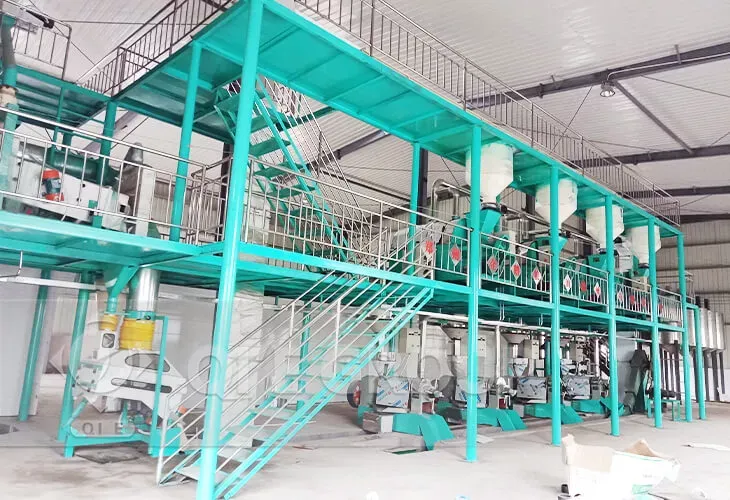
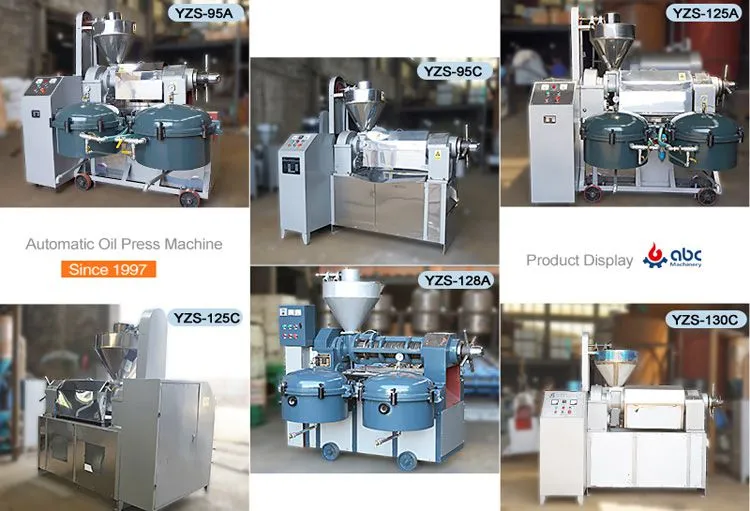
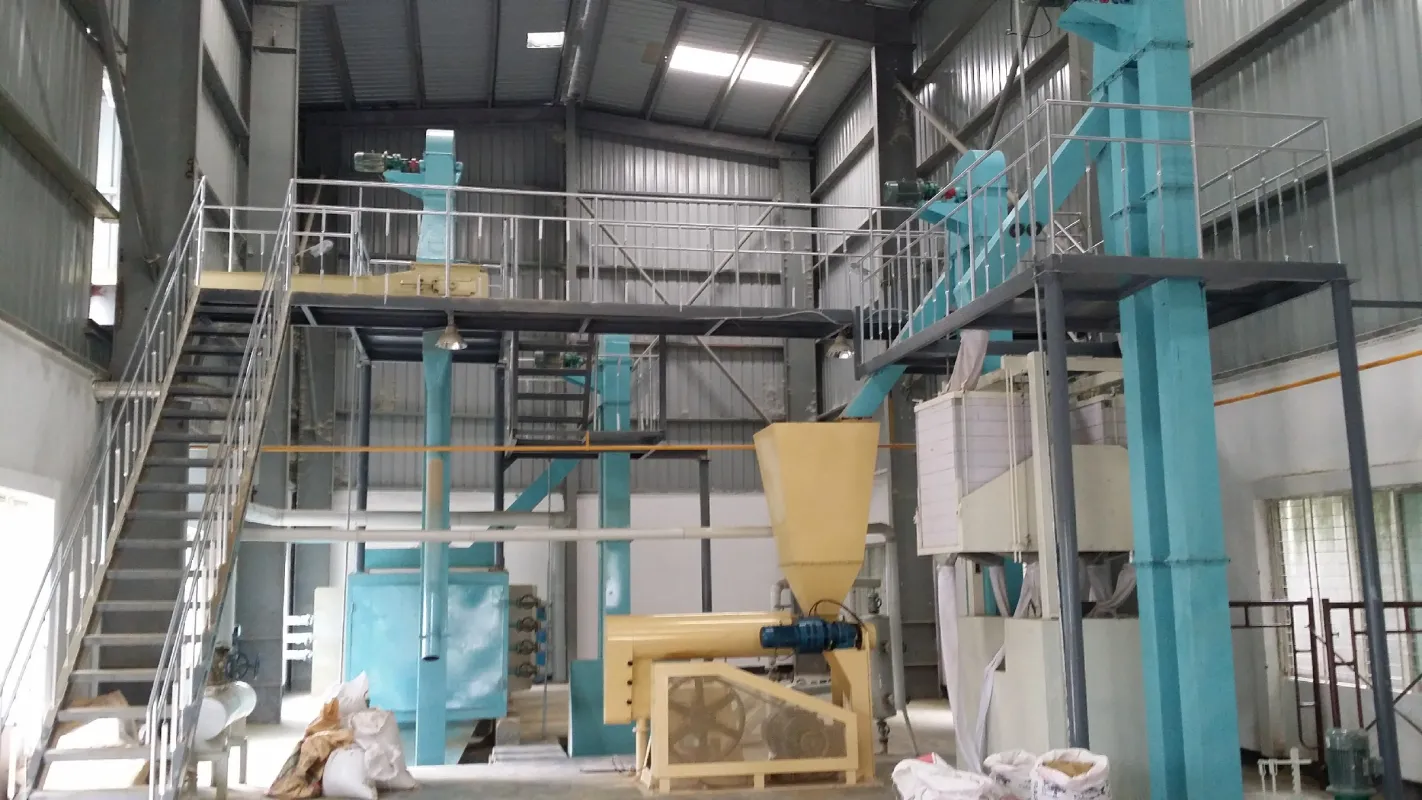
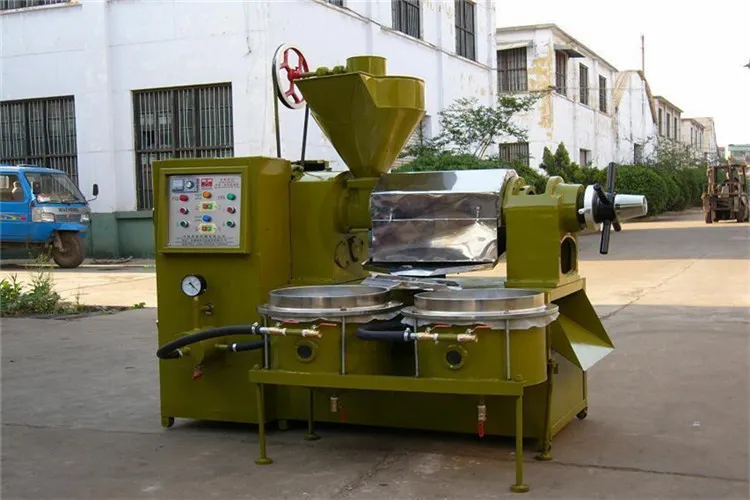
Our state-of-the-art rapeseed oil production lines are comprehensive solutions designed for companies seeking to streamline production and achieve efficient and consistent results. Tailored for the B2B market, our lines meet the highest international standards for oil extraction, refining and bottling. Our advanced machines ensure optimal production and preserve the nutritional value of the oil, delivering a high-quality end product that consumers can trust. The turnkey solution includes a range of integrated equipment for cold pressing and solvent extraction that can be operated flexibly and cost-effectively according to your business needs. Our rapeseed oil production lines are equipped with modern control systems, making them simple to operate and maintaining the highest levels of safety and hygiene. This rugged product line is designed for a long service life and low maintenance costs, ensuring uninterrupted operation and a positive return on investment. At the heart of our products is our commitment to customer support, ensuring we guide you through installation, operation and more. Choose our rapeseed oil production line for an environmentally efficient production process and high-quality rapeseed oil that meets your customers' needs. With our modern solutions for rapeseed oil production lines, B2B companies can increase efficiency and ensure oil consistency. Our equipment meets international standards and preserves the nutritional value of the oil throughout the production process. The integrated equipment package and advanced control systems mean easy, safe and hygienic operation, while ensuring a lasting return on your investment. We are committed to providing comprehensive customer support to ensure your production line runs smoothly.