Rapeseed Oil Pretreatment Process: Cleaning, Crushing, Conditioning & Flaking to Maximize Oil Yield
2026-03-31
Technical knowledge
This article provides a practical, engineering-focused overview of the full rapeseed oil pretreatment process—cleaning, crushing, conditioning (cooking/steam heating), and flaking—with a clear emphasis on boosting oil yield through disciplined moisture and temperature control. It explains why pretreatment stability directly impacts extraction efficiency, impurity carryover, and downstream equipment reliability, then translates core principles into actionable operating targets, checklists, and troubleshooting logic. Common plant issues such as material caking, incomplete impurity removal, and line blockages are analyzed with root-cause pathways and optimization measures, supported by data-style comparisons and simplified workflow visualization for fast implementation. The article also proposes adjustment strategies for variable raw material quality (e.g., higher foreign matter or fluctuating seed moisture), helping oil mills maintain consistent front-end performance and throughput. A real-world industry case is referenced to illustrate measurable improvements after process tuning. For readers seeking continuous improvement, it closes with a call to explore more high-efficiency pretreatment solutions to further increase production benefits.

Rapeseed Oil Pretreatment: The Technical Levers That Raise Yield and Stabilize Your Front-End Line
In rapeseed oil production, “pretreatment” is often discussed as a routine sequence—cleaning, cracking, cooking, flaking. Yet most yield losses and throughput interruptions originate right here, long before pressing or extraction. When moisture, temperature, particle size distribution, and impurity load drift out of range, the result is familiar to many plants: lower oil recovery, higher foots, poor cake structure, clogged conveying paths, or unstable pressing current.
This guide lays out a practical, engineering-oriented view of rapeseed pretreatment—what to control, why it matters, and how to troubleshoot common issues like material caking and incomplete impurity removal—so technical teams can improve yield consistency and reduce unplanned downtime.
Where Yield Is Quietly Lost: A Quick Diagnostic Map
A useful way to audit pretreatment is to tie symptoms to measurable upstream causes. Many plants see “pressing problems” that are actually pretreatment deviations. The table below aligns common pain points with the typical root cause and the most actionable check point.
| Symptom on Line |
Likely Pretreatment Cause |
Fast Check (Operator-Friendly) |
| Lower oil yield / higher oil in cake |
Moisture too low/high; undercooking; uneven flakes |
Moisture spot test; cooker discharge temp; flake thickness gauge |
| Press current instability / choking |
Overcooked paste; high fines; clogged screen from impurities |
Sieve analysis for fines; check magnet/stone trap; inspect screens |
| Material caking in bins / conveyors |
Moisture stratification; hot spots; high mucilage / immature seed |
Temperature profile along line; check mixer uniformity; seed quality report |
| High foots / poor crude oil clarity |
Incomplete cleaning; damaged seed generating fines |
Cleaning efficiency audit; aspiration setting; cracked seed ratio |
As a practical reference, many industrial rapeseed lines target impurity ≤ 0.5% after cleaning and manage conditioned moisture around 6.5–8.5% before pressing (exact targets depend on variety, process route, and equipment). Even a 0.3–0.8% absolute swing in moisture at the cooker discharge can translate into noticeably different cake permeability and residual oil.
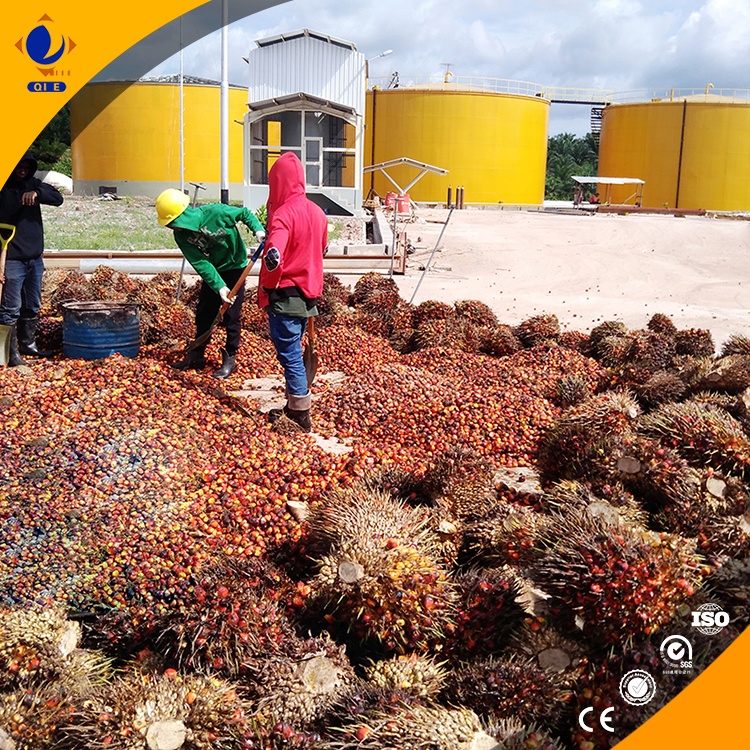
Step-by-Step Pretreatment Controls (Cleaning → Cracking → Cooking → Flaking)
1) Cleaning: Set the Foundation for Press Stability
Cleaning is not only about protecting machines; it is a yield protection measure. Stones, metal, and excess dust increase wear, raise the risk of screen blockage, and elevate insolubles that later show up as foots. For rapeseed, a robust cleaning train commonly includes scalping + aspiration + destoning + magnetic separation, with optional grading when seed size varies widely.
Field tip: If “impurities meet spec” but foots remain high, check the dust fraction. Over-aggressive cracking or mis-set aspiration can generate fines that bypass screens and later worsen crude oil clarity.
2) Cracking: Control Particle Size, Not Just “Break the Seed”
Cracking improves heat and mass transfer in cooking and prepares a uniform bed for flaking. The objective is a consistent cracked structure with limited fines: too coarse reduces cooking efficiency; too fine increases dusting, absorbs oil, and can lead to pasty material in the cooker.
A practical control approach is to track a simple sieve profile once per shift. If fines creep up, operators can inspect roll gap, roll wear, feed uniformity, and whether seed moisture is excessively low (dry seed tends to shatter).
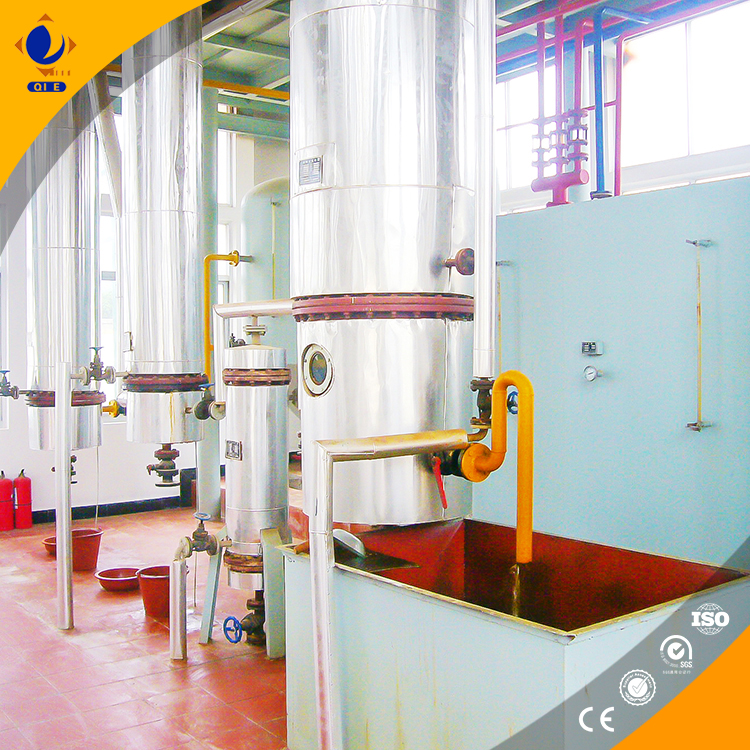
3) Cooking/Conditioning (Steam Heating): Where Moisture and Temperature Pay Back
Cooking (often via steam-heated conditioners) is the most sensitive lever in rapeseed pretreatment. Proper conditioning helps rupture oil bodies, reduces viscosity, and tunes the plasticity of material for flaking and pressing. Most plants monitor discharge temperature and retention time, but the most overlooked metric is uniform moisture distribution across the mass.
Typical discharge temperature window: many operations run around 80–95°C before flaking/pressing, adjusted by seed type and equipment.
Risk if too low: incomplete cell rupture, higher residual oil.
Risk if too high: paste formation, stickiness, caking, and flow issues.
Moisture control principle: aim for “evenly conditioned,” not simply “higher moisture.” A well-mixed, stable moisture band (often 6.5–8.5%) tends to improve cake permeability and reduce press load fluctuations.
From a troubleshooting standpoint, the combination of high temperature + uneven moisture is a frequent trigger for caking in chutes and bins. When hot conditioned material meets a cooler metal surface or a cold pocket of seed, local condensation and “sticky bridges” can form—especially when raw material contains more immature seeds and mucilage.
4) Flaking: Thickness Consistency Drives Extraction Efficiency
Flaking increases surface area and shortens the diffusion path for oil release. In practice, yield gains come less from making the thinnest possible flake and more from making a stable, uniform thickness with minimal fines. For many rapeseed applications, flake thickness commonly sits around 0.25–0.40 mm, tuned to your press/extraction configuration.
If flakes show “powder edges” or excessive dust, check roll surface condition, differential speed, and upstream cracking quality. If flakes appear elastic and rebound (poor fracture), revisit cooker temperature and moisture uniformity—flaking is often where upstream deviations become visible.
Common Problems and Practical Fixes (Engineer’s Checklist)
A) Material Caking: Why It Happens and How to Stop the Bridges
Caking typically appears as unstable flow in hoppers, arching in chutes, or build-up at transfer points. The root cause is usually not “too much steam” alone—it is often non-uniform conditioning plus temperature gradients and fines.
| Check Point |
What to Look For |
Operational Adjustment |
| Conditioner mixing |
Moisture stratification (wet lumps + dry pockets) |
Increase mixing efficiency; stage steam addition; verify retention time |
| Discharge temperature stability |
Hot spikes or oscillation |
Tune steam valve control; insulate critical ducting; reduce hot spots |
| Fines generation |
Excess dust after cracking/flaking |
Adjust roll gaps; check roll wear; avoid over-cracking dry seed |
| Cold metal surfaces |
Condensation at transfers, sticky patches |
Pre-warm sections; improve insulation; reduce dwell time in dead zones |
B) “Cleaning Looks OK” but Impurities Still Break Performance
When impurity removal is incomplete, the damage often shows up downstream: abnormal wear, magnetic trap overload, higher foots, or press cage scoring. A structured audit helps: measure impurity at each cleaning stage (not only at the final outlet), log aspiration airflow, and verify screen integrity. In many plants, correcting a mis-set airflow or replacing worn screens can drop insolubles in crude oil by 0.2–0.5% (absolute), which reduces load on clarification and improves final product stability.
Adapting to Raw Material Variability: A Practical Adjustment Playbook
Rapeseed quality can shift week to week—moisture swings after storage, higher foreign matter during certain harvest batches, or increased immature seed content. The most resilient plants treat pretreatment as a controlled system, not a fixed recipe.
| Raw Material Change |
Risk to Pretreatment |
Recommended Adjustment |
| Higher incoming moisture (e.g., 9–11%) |
Caking, paste formation, poor flow |
Reduce steam rate; increase mixing; control discharge to stable band; avoid hot spikes |
| Lower incoming moisture (e.g., 5–6%) |
Over-shattering → fines → oil loss |
Gentler cracking; consider staged conditioning to reach uniform target moisture |
| High impurity load (dust, straw, stones) |
Wear, clogging, higher foots |
Tighten scalping/aspiration; verify destoner; increase magnetic checks and cleaning frequency |
| More immature seed / higher mucilage |
Stickiness, bridging, unstable pressing |
Lower peak temperature; extend gentle conditioning; minimize fines; improve bin design/insulation |
Industry Example (Reference Data): What “Good Pretreatment” Can Change
In a mid-size rapeseed pressing facility processing about 180 tons/day, the team observed frequent press load spikes and oil yield volatility during seasonal raw material shifts. After a pretreatment audit, they implemented three changes: (1) staged steam addition with improved mixing, (2) tighter control of conditioner discharge temperature stability, and (3) flaking thickness consistency checks every shift.
| Metric |
Before |
After |
Operational Meaning |
| Residual oil in cake |
~7.2% |
~6.3% |
Better oil recovery with similar throughput |
| Press current deviation (relative) |
±12% |
±6% |
More stable pressing, fewer choke events |
| Unplanned stoppage events (per month) |
8–10 |
3–4 |
Less cleaning/clearing time, improved OEE |
| Crude oil insolubles (foots tendency) |
~1.1% |
~0.7% |
Lower clarification load, better consistency |
Results vary by configuration, but the pattern is consistent: when pretreatment moisture and temperature become stable (not merely “high”), both yield and line stability improve. This is also where experienced suppliers like 企鹅集团 typically focus engineering attention—on repeatable control points that operators can actually maintain shift after shift.
Want Higher Rapeseed Oil Yield Without Fighting the Press Every Day?
Explore proven approaches to cleaning efficiency, staged conditioning, and flaking consistency—designed for real plant variability and operator-friendly control—so your pretreatment becomes a reliable advantage instead of a daily firefight.