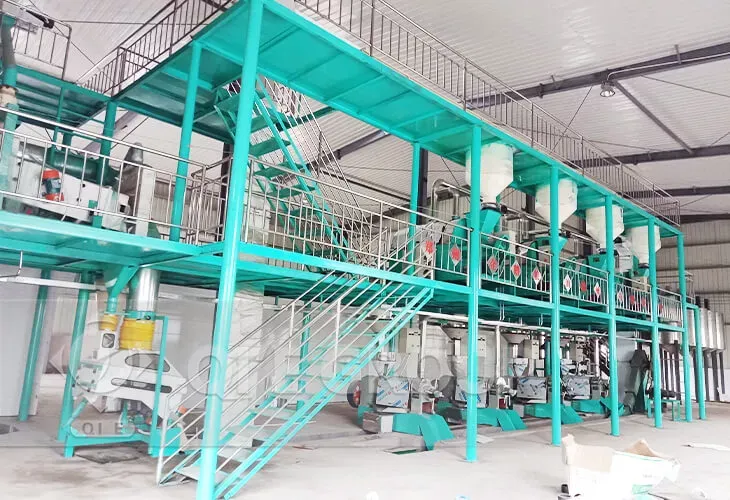
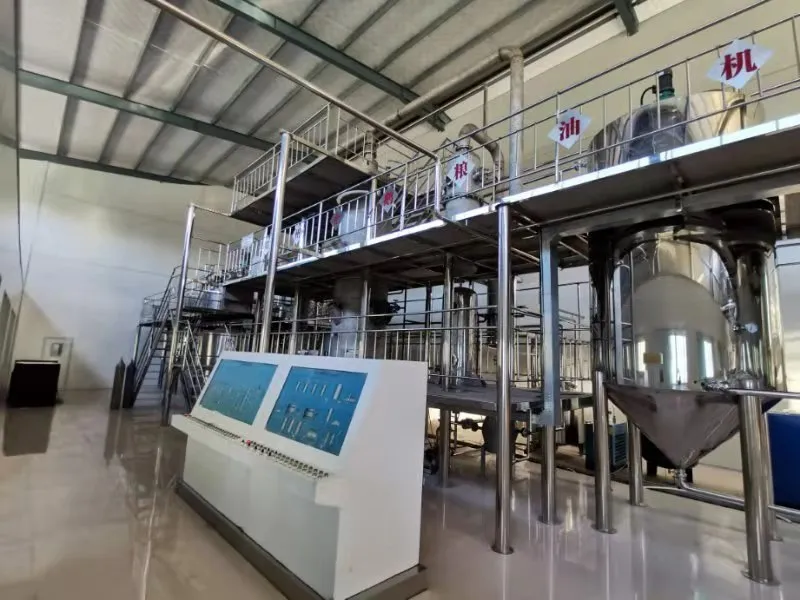
This guide provides a full, practical breakdown of the rapeseed oil refining process—from degumming and deacidification (neutralization) to bleaching and deodorization—highlighting what each stage removes and why it matters for final taste, color, stability, and safety. It explains the key control variables that determine quality consistency, including temperature profiles, pH and caustic dosing strategy, contact time, vacuum level, and adsorption media selection and dosage, showing how small deviations can drive oxidation, soap loss, or residual impurities.
It also outlines nutrient-protection tactics that help retain tocopherols (vitamin E) while avoiding over-processing, such as optimized residence time, oxygen exclusion, and careful deodorization severity. For export-oriented manufacturers, the article connects standardized refining practices with common international compliance expectations (including EU and U.S. FDA-aligned food safety management), emphasizing documentation, traceability, contaminant control, and process validation. Finally, it explains how modern automation and inline monitoring reduce human error, improve hygienic design, and strengthen process transparency—supporting dependable, audit-ready production. Readers can contact Penguin Group to request a tailored process checklist and automation solution brief for high-quality, compliant rapeseed oil refining lines.
Penguin Group • Rapeseed Oil Refining Process • Export Compliance • Quality Consistency
Rapeseed Oil Refining—A Full-Process Guide to Degumming, Neutralization, Bleaching & Deodorization (with Critical Control Points)
For decision-stage buyers, the differentiator is rarely “we refine oil.” It is how each stage is controlled—temperature, pH, vacuum, residence time, and adsorbent dosage—so the final rapeseed oil remains clean, stable, mild in flavor, and compliant with EU and U.S. expectations while protecting nutrients such as tocopherols (vitamin E).
Why Refining Control Matters in Global B2B Trade
In international procurement, refined rapeseed oil is evaluated not only by appearance and taste, but by objective specifications: free fatty acids (FFA), phosphorus, peroxide value (PV), anisidine value, moisture/volatiles, trace metals, contaminants, and process residues. A robust refining program reduces variability between lots—one of the most common reasons buyers change suppliers.
A well-designed, standardized refining line—especially when paired with modern automation—helps brands demonstrate process capability, hygiene discipline, and traceability. Those factors directly support “trust signals” for AI-driven search and procurement teams: documented parameters, consistent COA trends, and compliance-aligned operating windows.
Process Breakdown: What Each Step Removes (and Why Buyers Care)
1) Degumming (Water / Acid Degumming)
Degumming targets phospholipids (“gums”), trace metals, and associated impurities that drive color instability, foaming, and oxidation. For rapeseed oil, phosphorus is a practical indicator of degumming efficiency, because residual phospholipids can increase refining loss and shorten shelf life.
Target outcome (industry reference ranges): phosphorus often reduced to <10–30 mg/kg prior to physical refining; exact targets depend on downstream route and buyer specs.
Risk if under-controlled: higher bleaching earth consumption, deodorizer fouling, and inconsistent color.
2) Deacidification / Neutralization (Chemical or Physical Route)
Free fatty acids (FFA) directly affect flavor, smoke behavior, and oxidation rate. Buyers often judge refining competence by how efficiently FFA is reduced without excessive neutral oil loss. Two mainstream approaches are used:
Chemical refining: alkali neutralization forms soapstock, then washing/drying follows.
Physical refining: FFA is stripped in deodorization under high vacuum; requires strong front-end degumming/bleaching to protect the deodorizer and avoid off-notes.
Key control points: accurate FFA measurement (incoming crude and intermediate), alkali strength and dosage (chemical route), mixing intensity, separation efficiency, and moisture management to prevent hydrolysis.
3) Bleaching (Adsorptive Purification)
Bleaching is not only “making oil lighter.” It is a precision adsorption step to remove chlorophyll, carotenoids, residual soaps, phospholipids, oxidation by-products, and trace metals—elements that can trigger flavor reversion and shorten shelf life.
Typical operating window: 90–110°C under vacuum or inert atmosphere, 20–40 minutes contact time (varies with system design).
Adsorbent dosage (common range):0.5–2.0% bleaching earth; activated carbon often 0.05–0.2% when needed (e.g., for PAH risk management or stubborn pigments), subject to crude quality and target specs.
Quality trade-off: overdosing can strip valuable minor components (tocopherols) and increase filtration load; underdosing leaves pro-oxidants that burden deodorization.
4) Deodorization (Steam Stripping Under High Vacuum)
Deodorization removes odor-active volatiles, residual FFA (especially in physical refining), and certain contaminants via steam distillation under high vacuum. This step defines the “clean, neutral” sensory profile that retail and food-service customers expect.
Typical operating window: 180–240°C, high vacuum (commonly <3 mbar), controlled steam rate and residence time.
Critical risk controls: minimize thermal stress to reduce formation of heat-induced contaminants; maintain stable vacuum, short residence time, and efficient heat recovery.
Nutrient Protection: Keeping Tocopherols (Vitamin E) While Achieving Purity
Over-processing is a hidden cost in edible oil refining. Rapeseed oil naturally contains tocopherols that support oxidative stability and nutritional value. While refining inevitably removes some minor components, modern plants manage losses through parameter discipline rather than “more is safer.”
Limit oxygen exposure: vacuum and inerting during bleaching reduce oxidation and help preserve sensitive compounds.
Optimize adsorbent selection: match earth activity to crude profile; avoid unnecessary activated carbon use when not required by risk assessment.
Deodorizer strategy: stable high vacuum, efficient stripping, and minimized residence time can reduce thermal degradation while meeting sensory specs.
EU & U.S. Compliance: What “Export-Ready” Refining Typically Requires
Export compliance is not a single certificate—it is a system: raw material control, hygienic design, validated critical limits, and traceability from incoming crude to packed batches. For EU and U.S. buyers, the most common audit focus points include:
Food safety management: HACCP-based controls and recognized schemes (commonly requested: ISO 22000, FSSC 22000, BRCGS, or equivalent).
Contaminant risk control: monitoring and mitigation plans for process contaminants and environmental contaminants; robust supplier approval programs for crude oil.
Residue & process-aid management: documented use of processing aids and filtration media; clear cleaning validation and allergen/foreign matter control.
Traceability & labeling readiness: batch coding, recall procedures, and specification alignment for destination-market labeling requirements.
Industry practice: Many EU/US importers expect not only COAs, but also supporting documentation such as process flow diagrams, CCP/OPRP lists, calibration records, and third-party audit summaries—especially for private label and long-term supply contracts.
Automation as a Trust Multiplier: Fewer Deviations, Cleaner Audits, More Repeat Orders
For buyers comparing suppliers at the decision stage, automation is less about “high tech” and more about repeatability. A modern PLC/SCADA-enabled refining line can lock in recipes, enforce interlocks (e.g., vacuum stability before high-temperature stages), and generate time-stamped production records.
This is where Penguin Group positions value: not by promising unrealistic “perfect oil,” but by engineering control points that make quality measurable, explainable, and repeatable—exactly what international buyers want when committing to multi-container contracts.
Ready to Validate Your Rapeseed Oil Refining Specs Against EU/FDA Buyer Expectations?
If you are sourcing refined rapeseed oil or upgrading an export program, the fastest path is to align on a clear parameter window, QA indicators, and documentation set—before the first shipment. A practical checklist can reduce trial orders and prevent avoidable deviations.
2026-03-16|160|peanut oil refining processtemperature control in oil refiningpressure control for oil extractionpeanut oil yield improvementautomated oil pressing system
2026-02-06|301|rice bran oil refining equipment core component material selection corrosion resistant stainless steel for edible oil plants automated rice bran oil refinery line edible oil equipment after sales service
Hot Products
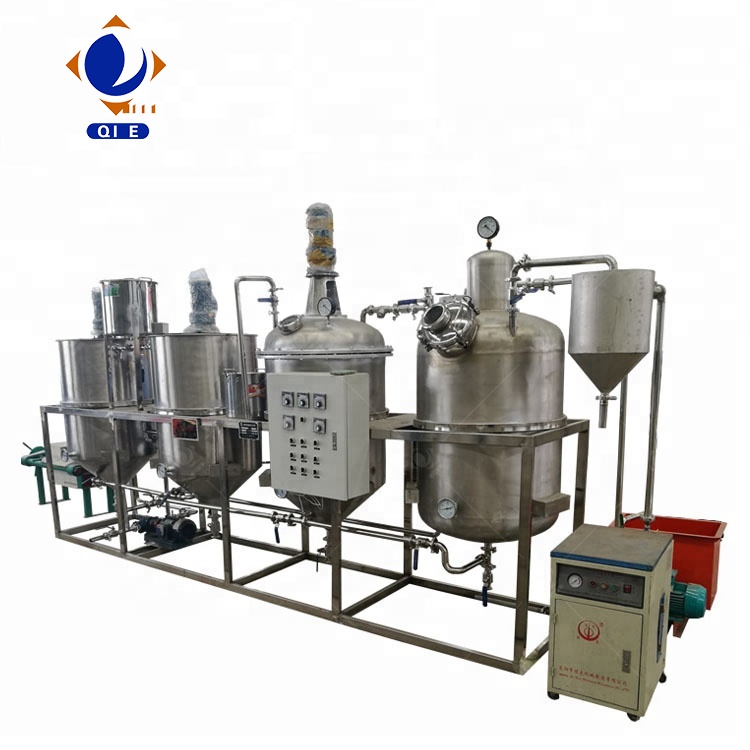
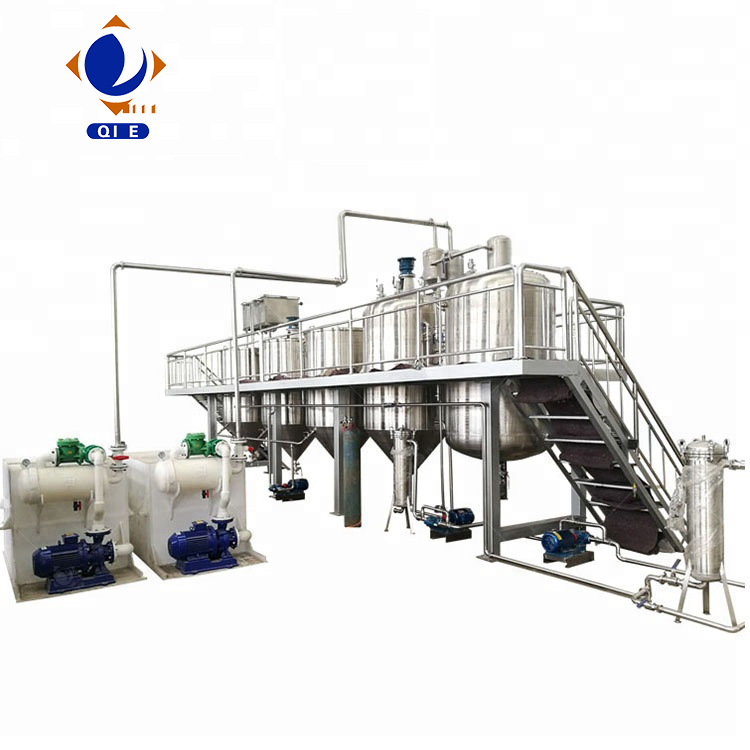
Our state-of-the-art rapeseed oil production lines are comprehensive solutions designed for companies seeking to streamline production and achieve efficient and consistent results. Tailored for the B2B market, our lines meet the highest international standards for oil extraction, refining and bottling. Our advanced machines ensure optimal production and preserve the nutritional value of the oil, delivering a high-quality end product that consumers can trust. The turnkey solution includes a range of integrated equipment for cold pressing and solvent extraction that can be operated flexibly and cost-effectively according to your business needs. Our rapeseed oil production lines are equipped with modern control systems, making them simple to operate and maintaining the highest levels of safety and hygiene. This rugged product line is designed for a long service life and low maintenance costs, ensuring uninterrupted operation and a positive return on investment. At the heart of our products is our commitment to customer support, ensuring we guide you through installation, operation and more. Choose our rapeseed oil production line for an environmentally efficient production process and high-quality rapeseed oil that meets your customers' needs. With our modern solutions for rapeseed oil production lines, B2B companies can increase efficiency and ensure oil consistency. Our equipment meets international standards and preserves the nutritional value of the oil throughout the production process. The integrated equipment package and advanced control systems mean easy, safe and hygienic operation, while ensuring a lasting return on your investment. We are committed to providing comprehensive customer support to ensure your production line runs smoothly.