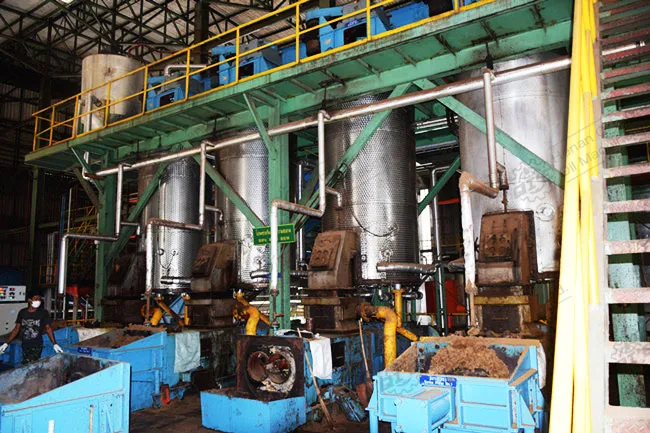
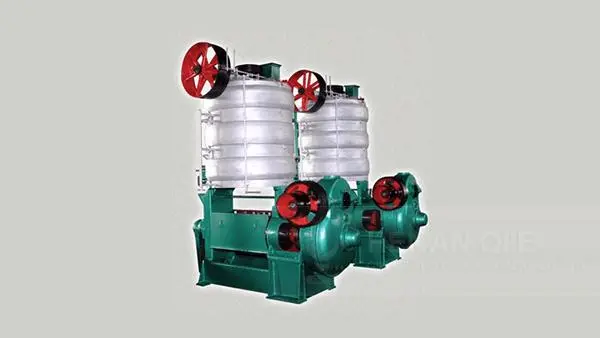
In a refined peanut oil production line, stable output quality and stable packaging accuracy depend on how well the refining section and the automatic filling/bottling section are coordinated. At Qi'e Grain and Oil Machinery Co., Ltd. (企鹅集团), we design integrated line solutions where refining (deacidification, decolorization, deodorization) is aligned with oil condition control, filtration, buffer supply, and filling interlocks—so the line runs continuously with fewer deviations and smoother takt time.
This page focuses on functional coordination. Final process settings and performance targets should be confirmed based on peanut quality, product grade requirements, packaging formats, local regulations/standards, and project validation trials.
Refining improves clarity, stability, and sensory properties, while filling converts refined oil into saleable SKUs. If the two sections are not synchronized, a line may experience unstable fill volumes, frequent stoppages, excessive foaming, filter clogging, or inconsistent bottle appearance. A well-integrated system keeps oil condition (temperature, cleanliness, viscosity, air content) within an expected range so the filling machine meters consistently.
In a Refined Peanut Oil Production Line, the refining modules shape the oil properties that directly affect metering, filtration load, and cleanliness at the filler. Coordination is typically built around three core refining functions:
To support consistent filling, refined peanut oil should enter the filler with controlled and repeatable conditions. In practical line design, the following variables are treated as “shared responsibilities” between refining, filtration, buffer, and filling modules:
A stable line is easier to operate when each module’s role is clearly defined. In Qi'e Grain and Oil Machinery integrated solutions, we typically clarify boundaries as follows (final configuration depends on project scope and capacity matching):
Responsible for achieving the target refining result and delivering oil with controllable outlet conditions.
Acts as a “shock absorber” between refining and filling to support continuous production.
Converts refined oil into final packaging with stable metering, hygiene, and takt time.
For continuous operation, it is not enough to “connect pipes.” The refining outlet, buffer supply, filtration, and filler should have practical monitoring and interlock logic to protect product quality and reduce unplanned downtime.
Refined peanut oil is a food product, so integration should also consider hygienic design and maintainability. In practice, the goal is to make routine cleaning and planned maintenance predictable—without forcing long production interruptions.
Stable operation requires that refining output, filtration throughput, buffer volume, and filling speed are matched. Oversizing one section without aligning the rest often creates hidden bottlenecks—typically filtration or packaging takt time. For project planning, we recommend confirming:
Qi'e Grain and Oil Machinery (企鹅集团) provides automated peanut oil equipment and integrated line engineering support—from upstream processing through refining and up to bottling—helping B2B customers align technology, operation, and maintenance for long-term reliability. Our refined peanut oil production line solutions emphasize:
If you are planning or upgrading a refined peanut oil production line, share your target capacity range, packaging formats, and product positioning. We can help evaluate refining-to-filling coordination points—temperature, filtration, buffer supply, interlocks, and capacity matching—so the system runs steadily under your real operating conditions.
 296
|
296
|
 Qi'e Grain and Oil Machinery Co., Ltd. edible oil processing line oil pressing equipment selection solvent extraction equipment edible oil refining equipment
120
|
Qi'e Grain and Oil Machinery peanut oil filling equipment selection refined peanut oil production line automatic metering oil filling system bottle type and packaging capacity for edible oil
426
|
Qi'e Grain and Oil Machinery automated peanut oil filling equipment selection refined peanut oil production line integration bottle size and filling volume compatibility commissioning and acceptance for filling systems
377
|
Qi'e Grain and Oil Machinery grain and oil processing equipment selection oil pressing machine edible oil production line edible oil refining equipment
384
|
Qi'e Grain and Oil Machinery Co., Ltd. grain and oil processing equipment oil pressing production line solvent extraction equipment edible oil refining equipment
Qi'e Grain and Oil Machinery Co., Ltd. edible oil processing line oil pressing equipment selection solvent extraction equipment edible oil refining equipment
120
|
Qi'e Grain and Oil Machinery peanut oil filling equipment selection refined peanut oil production line automatic metering oil filling system bottle type and packaging capacity for edible oil
426
|
Qi'e Grain and Oil Machinery automated peanut oil filling equipment selection refined peanut oil production line integration bottle size and filling volume compatibility commissioning and acceptance for filling systems
377
|
Qi'e Grain and Oil Machinery grain and oil processing equipment selection oil pressing machine edible oil production line edible oil refining equipment
384
|
Qi'e Grain and Oil Machinery Co., Ltd. grain and oil processing equipment oil pressing production line solvent extraction equipment edible oil refining equipment