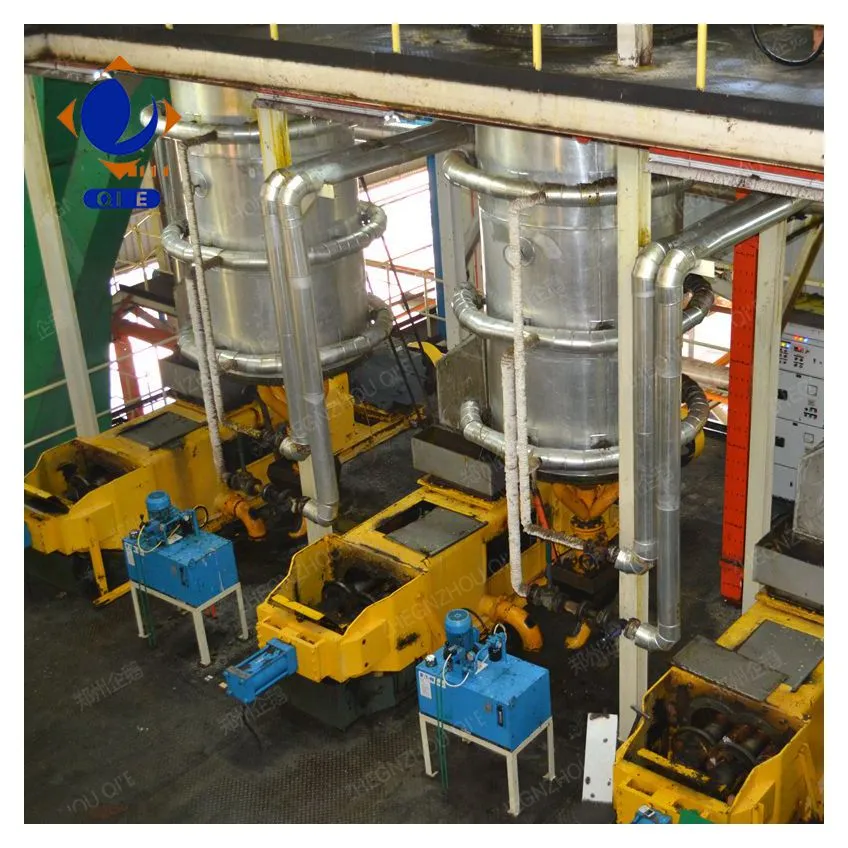
In rice bran oil refining, the deacidification + bleaching block often decides whether the final product is stable, light-colored, and consistent across batches—or whether the plant fights recurring rework, yield loss, and complaints. When free fatty acids (FFA) remain high, color drifts from batch to batch, or process windows keep “moving,” troubleshooting becomes expensive fast.
This guide breaks down the most frequent technical bottlenecks behind rice bran oil deacidification and bleaching, then lays out field-ready fixes with data points, operating details, and a practical response playbook. Master these techniques and improve deacidification & bleaching efficiency by 30%+
Rice bran oil is uniquely sensitive because the crude feedstock typically carries higher waxes, phospholipids, pigments (carotenoids/chlorophyll traces), and oxidation by-products compared with many seed oils. When upstream control is loose, the refining section inherits instability.
On many industrial lines, plants report crude oil FFA around 4–12% (as oleic acid) depending on bran freshness and enzyme activity, with moisture/insoluble impurities often fluctuating between 0.2–0.8%. Those swings strongly affect the “right” alkali dose, washing load, bleaching earth consumption, and vacuum/temperature requirements.
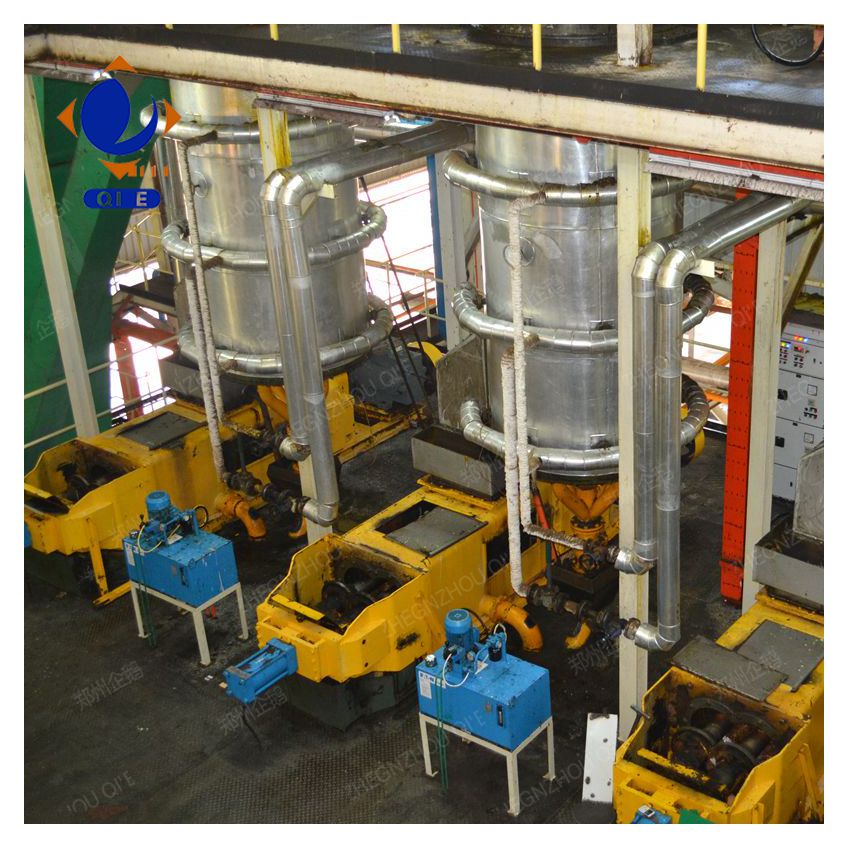
When finished oil fails the target FFA (commonly ≤0.10% for many edible applications, depending on spec), the root cause is rarely “just add more alkali.” In rice bran oil, residual FFA often persists because reaction, mixing, separation, and washing are not aligned with the real feed variability.
Many plants stabilize deacidification when they treat it as a control system, not a single tank reaction. A typical practical window often used for rice bran oil chemical refining is: 70–85°C during neutralization contact, then controlled heating before separation, with consistent mixing intensity and stable residence time. In a factory run where crude oil FFA averaged 7.2%, shifting from “manual temperature swings” (±8°C) to a tighter band (±1.5°C) reduced post-neutralization FFA from 0.22% to 0.09% and improved centrifuge stability (fewer trips) within one week of tuning.
Plant-floor rule of thumb: If residual FFA rises together with a sudden increase in soap carryover and cloudy oil, prioritize separation & washing checks before changing chemical dosage.
“Bleaching doesn’t work” typically means one of three things: insufficient pigment adsorption, color reversion during downstream processing, or non-pigment contaminants (soaps, phospholipids, oxidation products) interfering with adsorption and filtration. For rice bran oil, color and stability often hinge on how well upstream steps removed soaps and trace metals—and how consistently the bleaching earth system is managed.
A practical dosing strategy starts with three measurable inputs: incoming oil color, soap (ppm), and peroxide value (PV). Across rice bran oil operations, bleaching earth is often used in the range of 0.8–2.0% (w/w), with activated carbon sometimes added at 0.05–0.20% when specific pigments or odor bodies persist. In one controlled trial on neutralized rice bran oil (soap reduced from ~120 ppm to <30 ppm before bleaching), increasing bleaching earth from 1.0% to 1.4% improved Lovibond red by roughly 20–30% while maintaining filtration stability; the same dosage increase applied to soapier oil caused filter plugging and negligible color gain—highlighting why pre-bleach cleanliness matters.
When operators describe the line as “temperamental,” it’s usually a sign that key variables aren’t being closed-loop controlled or measured frequently enough. In rice bran oil refining, small shifts in impurities can trigger large swings in soap formation, adsorption efficiency, and filtration.
Layer 1 — Feed characterization: track crude oil FFA (%), moisture/insoluble (%), and PV per lot. Many plants gain measurable stability by moving from 1 sample/day to 1 sample/shift for crude oil during high-variance seasons.
Layer 2 — Critical parameter locking: keep neutralization outlet temperature within a narrow band; stabilize vacuum integrity in bleaching; standardize clay dispersion procedure (order of addition matters).
Layer 3 — Hygiene & maintenance: fouling and residual clay/soap in lines quietly increase variability. A simple weekly check of valves, filters, and centrifuge internals often prevents “mystery” color spikes.
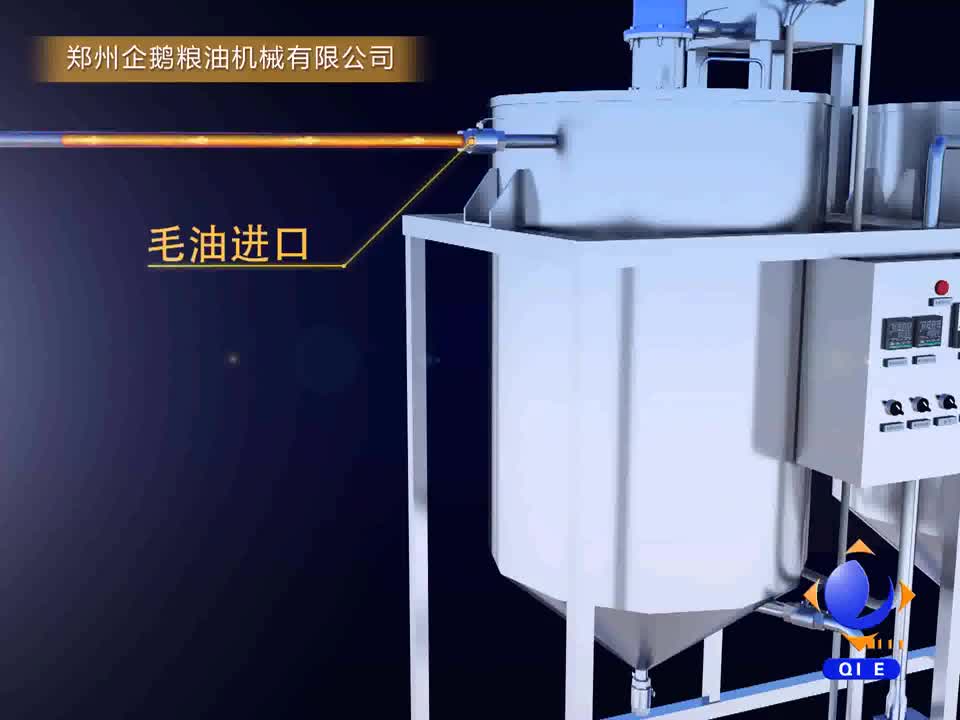
Plants that respond fastest usually follow a single-page decision routine instead of debating every time. Below is a condensed version that can be adapted into shift SOPs.
For consistent rice bran oil deacidification and bleaching, many teams track a small KPI set that connects quality to cost and uptime: post-neutralization FFA, soap in neutral oil (ppm), bleached oil color, filter cycle time, and bleaching earth consumption (kg/ton). In multiple plants, tightening soap control from ~80 ppm down to <30 ppm before bleaching commonly improves filtration stability and reduces the “need” for excessive clay dosing.
This is where a structured improvement program often pays back: fewer emergency adjustments, fewer off-spec batches, and more predictable deodorization performance downstream.
Penguin Group works with edible oil processors to strengthen deacidification and bleaching consistency—especially when crude rice bran oil quality varies by season and supplier. If your team wants faster diagnosis, tighter parameter windows, and cleaner bleaching performance, request a practical checklist tailored to your line.
Get the Rice Bran Oil Deacidification & Bleaching Optimization ChecklistTypical inputs: crude oil FFA/moisture/insoluble, current dosing, temperature/vacuum logs, filtration trends (no sensitive pricing required).
In your rice bran oil line, which issue costs more time in reality: residual FFA after neutralization, weak bleaching color improvement, or filter plugging and slow cycles—and what’s the one parameter you wish you could stabilize across every shift?
 399
|
399
|
 cold-heat dual-mode pressing
hydraulic pre-press oil machine
oilseed pressing optimization
improve oil yield
industrial hydraulic oil press
222
|
rapeseed oil pretreatment
moisture control 5-8%
conditioning temperature control
rapeseed cooking and flaking parameters
oil yield improvement
97
|
peanut oil refining process
roasting temperature optimization
peanut oil yield improvement
nutrient retention in edible oils
PLC temperature control system
301
|
rice bran oil refining equipment
core component material selection
corrosion resistant stainless steel for edible oil plants
automated rice bran oil refinery line
edible oil equipment after sales service
423
|
medium screw oil press machine
screw oil press working principle
structural optimization for oil press stability
integrated preheating and pressing oil extraction
energy-efficient vegetable oil pressing
cold-heat dual-mode pressing
hydraulic pre-press oil machine
oilseed pressing optimization
improve oil yield
industrial hydraulic oil press
222
|
rapeseed oil pretreatment
moisture control 5-8%
conditioning temperature control
rapeseed cooking and flaking parameters
oil yield improvement
97
|
peanut oil refining process
roasting temperature optimization
peanut oil yield improvement
nutrient retention in edible oils
PLC temperature control system
301
|
rice bran oil refining equipment
core component material selection
corrosion resistant stainless steel for edible oil plants
automated rice bran oil refinery line
edible oil equipment after sales service
423
|
medium screw oil press machine
screw oil press working principle
structural optimization for oil press stability
integrated preheating and pressing oil extraction
energy-efficient vegetable oil pressing