Sesame Oil Production Line Guide: Cleaning, Drying, Pressing, Filtration and Automatic Bottling Hygiene Control

QI ' E Group
2026-03-06
Tutorial Guide
This practical guide walks you through the complete sesame oil production line—from raw material cleaning and drying to pressing, filtration, and automatic bottling—with a strong focus on hygiene, safety, and process stability. Written for new investors and technical teams, it explains how to keep each step connected and controllable, highlights critical contamination risks, and outlines sanitation checkpoints that align with current industry expectations. You’ll also find actionable equipment maintenance tips (cleaning, lubrication, wear-part inspection) and clear troubleshooting ideas for common issues such as unstable press output, filtration clogging, excessive sediment, and filling inconsistencies. Based on real-world operating feedback, the guide helps you improve efficiency and product consistency while reducing downtime and operational risk—supporting reliable, sustainable production with QIE Group solutions in mind.
https://shmuker.oss-accelerate.aliyuncs.com/data/oss/65b068c3c2e9735675cac322/65b0a486107bc6700293c9bf/油籽压榨-2.jpg

Sesame Oil Production Line: Your Step-by-Step Operating Workflow (Cleaning → Drying → Pressing → Filtration → Automatic Bottling)

When you run a sesame oil production line, your biggest “hidden costs” usually come from the places you can’t see—microbial risk from poor sanitation, temperature drift during roasting/pressing, filter clogging that forces rework, and bottling hygiene gaps that quietly shorten shelf life. If you’re new to the industry or stepping into a technical role, this guide walks you through a proven sesame oil production process with practical, on-floor controls to keep throughput stable and product quality consistent.

Hygiene control checkpoints Equipment maintenance Troubleshooting Efficiency & stability

1) Pre-cleaning & Washing: Reduce Contamination Before It Enters Your Line

Your sanitation work starts before any seed touches the press. In practice, most quality issues trace back to upstream handling—dust, stones, metal fragments, and high initial moisture that accelerates oxidation. A good washing and separation stage also protects downstream assets, extending service life and reducing unplanned downtime.

Operating steps you should standardize

  • Dry separation first (vibration screen + destoner) to remove stones and husk debris before water contact.
  • Magnetic separation on the feed line to capture ferrous particles; check magnet surfaces every shift.
  • Washing with food-grade water; manage flow so seeds are agitated but not “over-soaked.”
  • Drain & dewater (vibrating dewatering screen or centrifugal dewaterer) to stabilize moisture before drying.
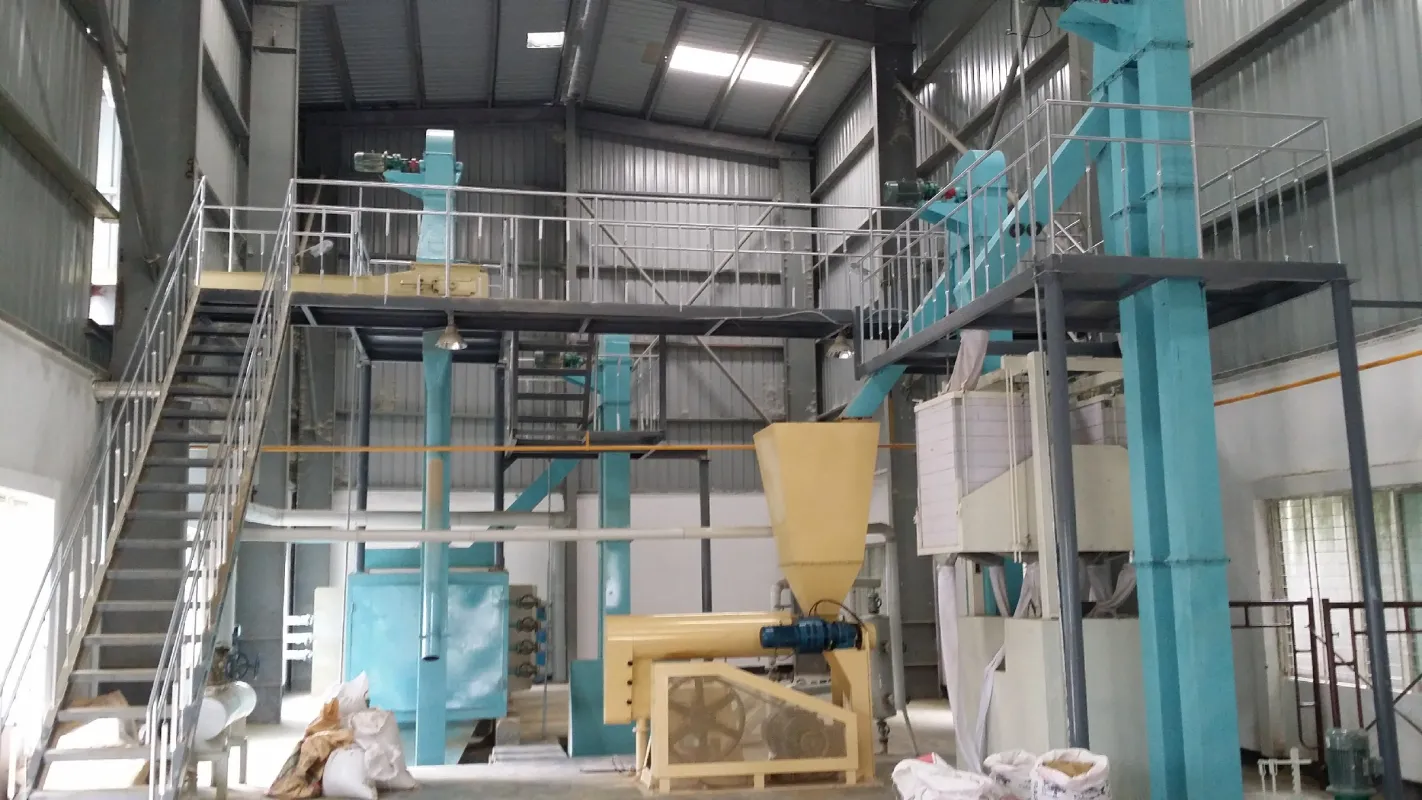
Sesame seeds cleaning and washing stage in a hygienic sesame oil production line

2) Drying (and Optional Roasting): Control Moisture to Protect Yield & Flavor

Drying is where new teams often lose consistency. If you feed the press with seeds that vary in moisture, you’ll see fluctuating press cake hardness, unstable oil flow, and uneven filtration loads. For many commercial lines, a practical target is to stabilize seed moisture to around 6–8% before pressing (exact target varies by seed quality, process, and desired aroma profile).

What you should watch on the panel (and on the floor)

Air temperature stability: sudden swings often mean burner control drift or clogged airflow paths.

Uniform discharge: if the discharge looks “mixed” (some seeds glossy/wet), your residence time or agitation isn’t even.

Odor cues: a sharp burnt note indicates over-roasting; adjust temperature and feed rate instead of “pushing through.”

Parameter Typical operating reference What happens if you ignore it
Seed moisture before press ~6–8% (adjust per process) Yield fluctuation, unstable pressing, more fines in oil
Dryer temperature stability Keep within ±3–5°C once steady Inconsistent flavor, over/under-dry pockets, higher oxidation risk
Roasting time/heat (if used) Set by sensory + batch records Burnt aroma, darker oil, customer complaints and returns

3) Pressing: How to Run Automated Oil Pressing Equipment Without “Chasing” Problems

The press is the heart of your line—and also your biggest source of heat. Excess heat accelerates oxidation and can degrade aroma; too little heat can reduce flow and raise residual oil in the cake. For most operations, your goal is not “max pressure at all times,” but stable torque, stable feed, stable discharge.
Daily operating routine (simple, repeatable)

  1. Warm-up and baseline: start with a controlled feed rate; log motor current/torque at steady state.
  2. Feed consistency: avoid sudden surges—surges create torque spikes that accelerate wear.
  3. Cake inspection every hour: if cake looks too wet/soft, check moisture and screw clearance; if too dry/crumbly, check roast/dry settings and feed.
  4. Temperature discipline: record barrel temperature; if it creeps up shift by shift, you likely have friction from wear or blockage.
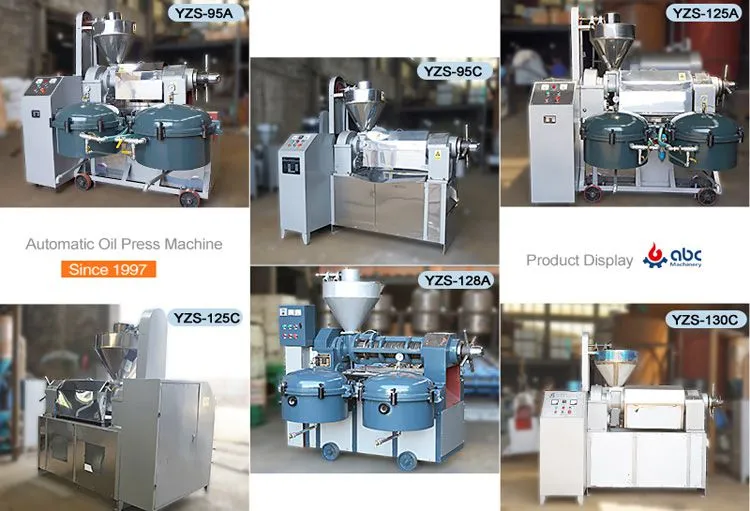
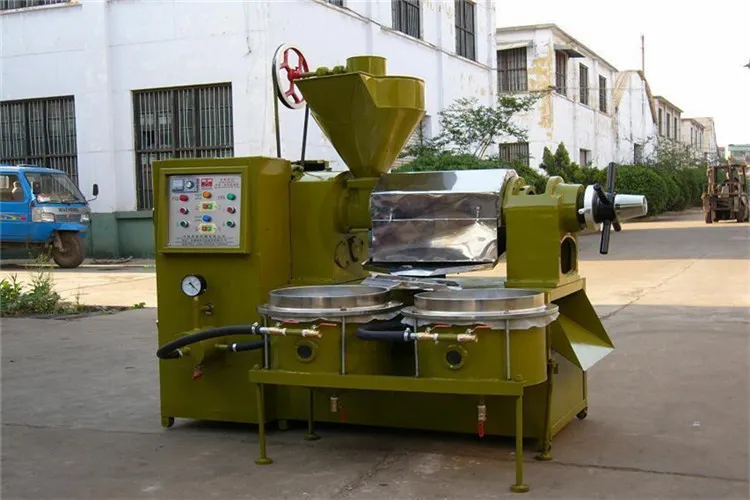
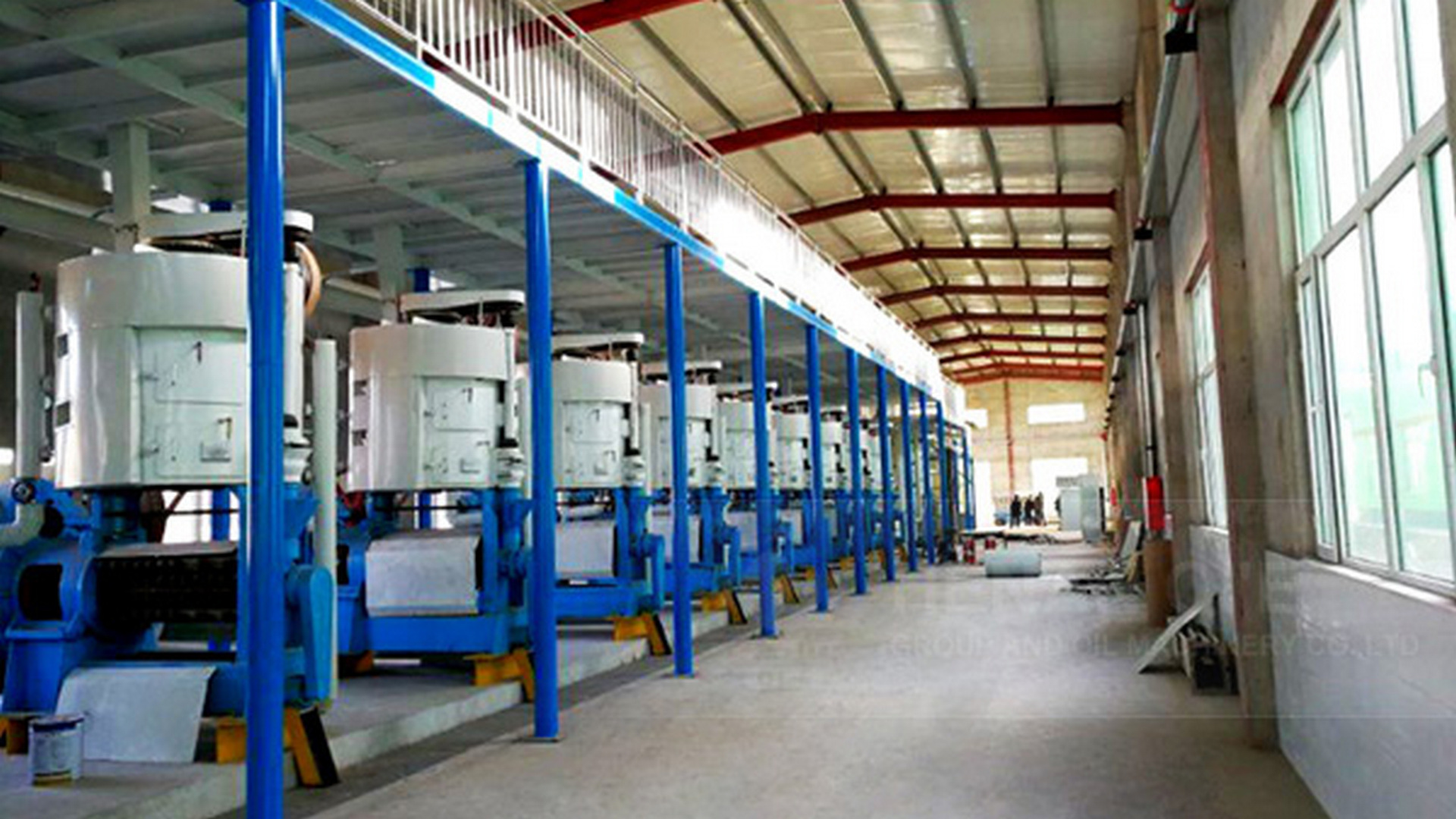
Automated sesame oil pressing equipment showing controlled feed and stable pressing conditions

4) Filtration: Sesame Oil Filtering Technology That Keeps Clarity Without Over-processing

Filtration is where you convert “oil output” into “sellable oil.” If you filter too lightly, you risk haze and sediment that leads to customer complaints. If you filter too aggressively, you can slow the line and increase consumable costs. Common configurations include settling + plate-and-frame filtration, or a closed system with a pressure leaf / fine filter depending on your quality target.

Practical control points you can enforce

  • Pre-settling time before fine filtration to reduce filter load (even 30–60 minutes can help in many setups).
  • Differential pressure monitoring: a rising ΔP is an early warning for clogging; don’t wait for flow to collapse.
  • Closed transfer lines where possible to reduce oxygen exposure and contamination.
  • Filter media discipline: store consumables dry and sealed; contaminated media can add odor or particles.
Quick troubleshooting: when filtration suddenly slows down

Check 1: Has oil temperature dropped? Higher viscosity can reduce flow.

Check 2: Did press fines increase? Review press settings and seed moisture; filtration problems often start upstream.

Check 3: Is ΔP rising fast? If yes, change/clean the filter media and inspect for bypass leakage.

Check 4: Are valves partially closed or lines clogged? Confirm line cleanliness and CIP status.

5) Automatic Bottling: Hygiene, Accuracy, and Traceability in One Station

Automatic filling is where food safety perception becomes “real” for your buyer. Even if your upstream process is excellent, poor bottling hygiene can introduce contaminants and shorten shelf life. A reliable automatic bottling setup typically includes bottle rinsing (or air ion/rinse), controlled filling, capping, coding, and conveyance—ideally in a clean, easy-to-sanitize area.

Sanitation and safety controls you should insist on

Hygienic zoning: separate “raw seed area” and “post-filtration / bottling area” to prevent cross-contamination.

Fill accuracy checks: spot-check weights every 30–60 minutes; tighten tolerances as the line stabilizes.

Cap torque consistency: inconsistent capping is a common leak source during export shipping.

Traceability: batch coding linked to production logs (moisture, press current, filtration ΔP) makes complaints solvable.
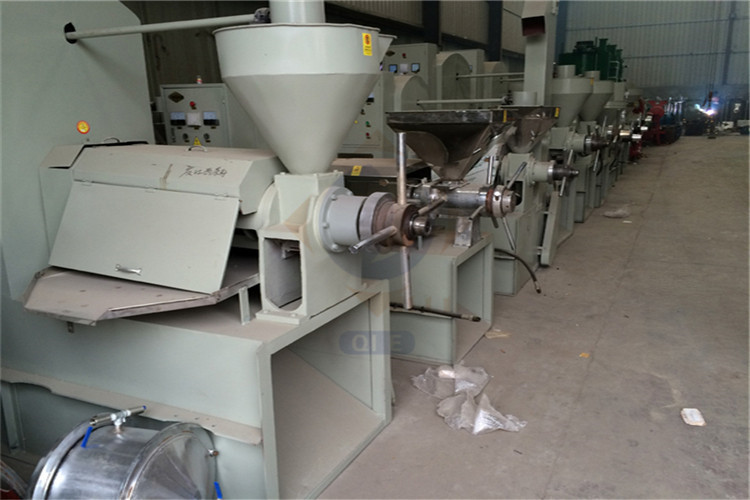
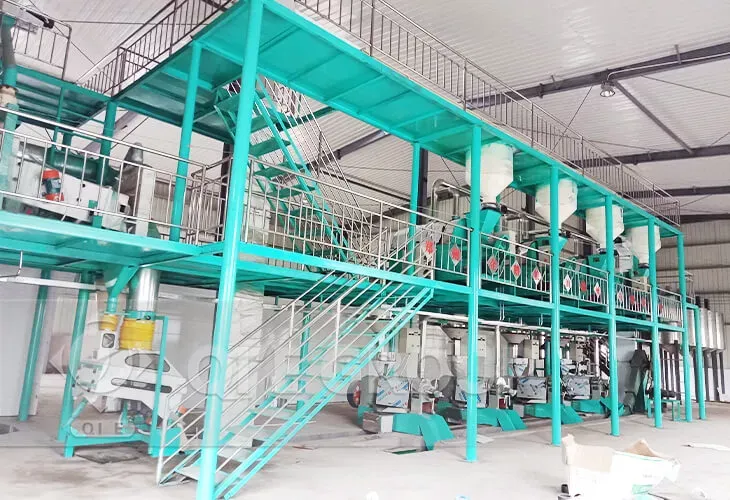
Automatic bottling and capping section for sesame oil with hygienic design and clean transfer lines

Maintenance That Prevents 80% of Breakdowns (Not “More Maintenance”)

When you’re scaling production, the most profitable maintenance is the kind that stops small drift from becoming a stoppage. Many plants that run smoothly follow a simple rhythm: clean what touches product daily, inspect wear points weekly, and verify sensors monthly. This is the core of effective sesame oil equipment maintenance.

Suggested maintenance rhythm (reference)
  • Daily: sanitize contact surfaces; drain water traps; check abnormal vibration/noise; verify safety guards.
  • Weekly: inspect press screw wear and seals; check belts/chains; clean dryer airflow paths; calibrate basic weighing checks.
  • Monthly: verify temperature probes and pressure gauges; review motor current trends; inspect bottling nozzles and CIP effectiveness.

FAQ: The Questions You’ll Actually Get From Operators and New Investors

How do you keep the line hygienic without stopping production too often?

You schedule sanitation around “high-risk” points: after washing/dewatering, after filtration, and at the filling head. Use short, frequent cleaning cycles on bottling nozzles and transfer hoses, and longer planned CIP for tanks/lines. The goal is repeatability—not perfection once a month.

Why does oil clarity change even when pressing looks stable?

Usually because upstream moisture or press wear increases fine particles, which overloads your filters. Track press current and filtration ΔP together; when both trend up, it’s often a seed condition or wear issue—not a “bad filter.”

What’s the fastest way to reduce stoppages in the first 30 days?

Standardize three logs: seed moisture at press feed, press motor current/torque at steady state, and filtration differential pressure. Most “mystery breakdowns” become predictable once you see drift early.

Ready to Upgrade Your Throughput Without Sacrificing Hygiene?

If you’re planning to scale or replace outdated equipment, 企鹅集团 can help you evaluate a high-efficiency, energy-saving sesame oil production line configuration—tailored to your target capacity, sanitation requirements, and automation level.

Explore high-efficiency sesame oil production line equipment Share your raw material type + target output, and you’ll get a practical process suggestion list (pressing, filtration, bottling).
Name *
Email *
Message*

Recommended Products

Related Reading

Cold–Heat Dual‑Mode Pressing: Boosting Oil Yield and Quality with Hydraulic Pre‑Press Technology

2026-02-06 | https://shmuker.oss-accelerate.aliyuncs.com/tmp/temporary/60ec5bd7f8d5a86c84ef79f2/60ec5bdcf8d5a86c84ef7a9a/20240305161110/eye.png 398 | https://shmuker.oss-accelerate.aliyuncs.com/tmp/temporary/60ec5bd7f8d5a86c84ef79f2/60ec5bdcf8d5a86c84ef7a9a/20240305160636/lable.png cold-heat dual-mode pressing hydraulic pre-press oil machine oilseed pressing optimization improve oil yield industrial hydraulic oil press

Energy-Efficient Sesame Oil Extraction Equipment: Closed-System Automation for Higher Output

2026-02-28 | https://shmuker.oss-accelerate.aliyuncs.com/tmp/temporary/60ec5bd7f8d5a86c84ef79f2/60ec5bdcf8d5a86c84ef7a9a/20240305161110/eye.png 239 | https://shmuker.oss-accelerate.aliyuncs.com/tmp/temporary/60ec5bd7f8d5a86c84ef79f2/60ec5bdcf8d5a86c84ef7a9a/20240305160636/lable.png energy-efficient sesame oil extraction equipment closed-system sesame oil production line automated sesame oil pressing machine industrial sesame oil processing equipment PLC-controlled oil extraction line

Closed-System Sesame Oil Production Process: From Cleaning to Filtration for Export-Grade Quality

2026-03-03 | https://shmuker.oss-accelerate.aliyuncs.com/tmp/temporary/60ec5bd7f8d5a86c84ef79f2/60ec5bdcf8d5a86c84ef7a9a/20240305161110/eye.png 39 | https://shmuker.oss-accelerate.aliyuncs.com/tmp/temporary/60ec5bd7f8d5a86c84ef79f2/60ec5bdcf8d5a86c84ef7a9a/20240305160636/lable.png closed-system sesame oil production export-grade sesame oil processing sesame oil quality control automatic sesame oil pressing line low-temperature sesame oil pressing

Closed-Loop Sesame Oil Production Line: Improve Purity and Preserve Nutrients Across the Full Process

2026-03-04 | https://shmuker.oss-accelerate.aliyuncs.com/tmp/temporary/60ec5bd7f8d5a86c84ef79f2/60ec5bdcf8d5a86c84ef7a9a/20240305161110/eye.png 302 | https://shmuker.oss-accelerate.aliyuncs.com/tmp/temporary/60ec5bd7f8d5a86c84ef79f2/60ec5bdcf8d5a86c84ef7a9a/20240305160636/lable.png closed-loop sesame oil production line sesame oil purity improvement nutrient retention in sesame oil low-temperature sesame oil pressing sesame oil filtration and refining

Medium Screw Oil Press Machine Stability and ROI: Structural Optimization for Efficient Vegetable Oil Extraction

2026-02-06 | https://shmuker.oss-accelerate.aliyuncs.com/tmp/temporary/60ec5bd7f8d5a86c84ef79f2/60ec5bdcf8d5a86c84ef7a9a/20240305161110/eye.png 423 | https://shmuker.oss-accelerate.aliyuncs.com/tmp/temporary/60ec5bd7f8d5a86c84ef79f2/60ec5bdcf8d5a86c84ef7a9a/20240305160636/lable.png medium screw oil press machine screw oil press working principle structural optimization for oil press stability integrated preheating and pressing oil extraction energy-efficient vegetable oil pressing
Popular articles
https://shmuker.oss-accelerate.aliyuncs.com/data/oss/65b068c3c2e9735675cac322/668263a4df9f6e7a1281439c/20240709115252/123.jpg
https://shmuker.oss-accelerate.aliyuncs.com/data/oss/65b068c3c2e9735675cac322/668263a4df9f6e7a1281439c/20240709110413/172.jpg
https://shmuker.oss-accelerate.aliyuncs.com/data/oss/common/20241128094858/20241128/74e6351bac1af8a43180d0a0e9970936/factory-price-sesame-oil-press.jpg
https://shmuker.oss-accelerate.aliyuncs.com/data/oss/common/20241128094858/20241128/816ba1d6d04eeb6b48dc7c91652b7e59/sesame-oil-press-machine.jpg
https://shmuker.oss-accelerate.aliyuncs.com/data/oss/65b068c3c2e9735675cac322/65b0a486107bc6700293c9bf/米糠-3.jpg
https://shmuker.oss-accelerate.aliyuncs.com/data/oss/common/20241128094858/20241128/74e6351bac1af8a43180d0a0e9970936/factory-price-sesame-oil-press.jpg
https://shmuker.oss-accelerate.aliyuncs.com/data/oss/65b068c3c2e9735675cac322/668263a4df9f6e7a1281439c/20241127151317/randimg00018.jpg
https://shmuker.oss-accelerate.aliyuncs.com/data/oss/65b068c3c2e9735675cac322/668263a4df9f6e7a1281439c/20241127151317/files_00010037.jpg
https://shmuker.oss-accelerate.aliyuncs.com/data/oss/65b068c3c2e9735675cac322/668263a4df9f6e7a1281439c/20241127151317/randimg00018.jpg
https://shmuker.oss-accelerate.aliyuncs.com/data/oss/65b068c3c2e9735675cac322/668263a4df9f6e7a1281439c/20241127151317/arc_postimg008056.jpg
Recommended Reading
Contact us
Contact us
https://shmuker.oss-accelerate.aliyuncs.com/tmp/temporary/60ec5bd7f8d5a86c84ef79f2/60ec5bdcf8d5a86c84ef7a9a/thumb-prev.png