Sesame Oil Production Line Operation Guide: Cleaning to Automatic Bottling for Hygiene, Safety, and Efficiency
QI ' E Group
2026-03-07
Tutorial Guide
This guide explains the full operating workflow of a sesame oil production line—from raw sesame cleaning and drying to pressing, filtration, and automatic bottling—with a strong focus on hygiene control, operational safety, and throughput improvement. It outlines critical operating parameters, sanitation checkpoints, and practical methods to reduce contamination and quality risks. The article also covers daily equipment maintenance, preventive inspection routines, and common fault troubleshooting to improve uptime and extend service life. Real user cases are used to highlight typical bottlenecks and how standardized procedures can stabilize output and ensure consistent product quality. Designed for new investors and technicians entering the sesame oil industry, the guide supports sustainable, compliant production and concludes with a soft introduction to energy-efficient sesame oil production line solutions from QIE Group.
Sesame Oil Production Line: The Full Operating Workflow (Cleaning to Automatic Bottling)
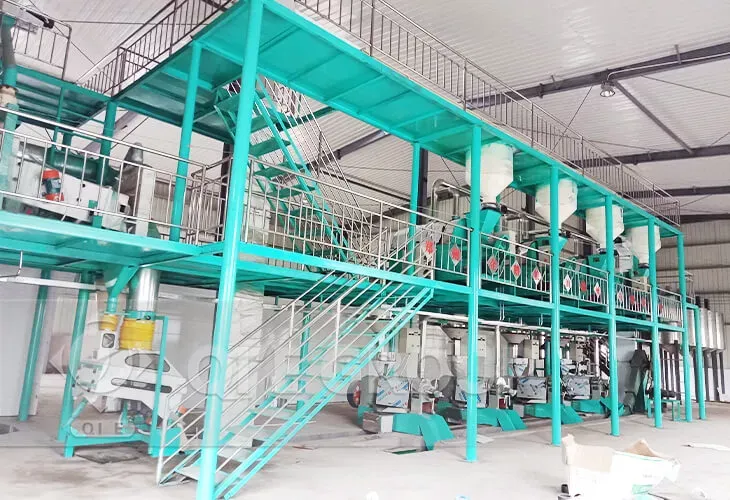
In sesame oil processing, the difference between a “working line” and a reliable, scalable sesame oil production line is rarely the press alone. It’s the discipline of hygiene control, stable temperatures, predictable filtration, and a bottling area that never becomes the weakest link. This guide walks through the complete workflow—from raw seed cleaning to automatic filling—highlighting sanitation checkpoints, efficiency tactics, daily maintenance, and practical troubleshooting patterns used by real operators.
Who it’s for
New investors, plant supervisors, technicians, and OEM buyers who want stable quality, lower risk, and higher output.
What you’ll gain
Clear operating steps, hygiene SOPs, bottling stability tips, and maintenance routines that reduce downtime.
1) Raw Sesame Receiving & Pre-Checks (Before Any Machine Starts)
A profitable sesame oil production workflow starts with disciplined incoming checks. Even a high-end line will struggle if moisture and foreign matter fluctuate daily.
Too high risks mold, unstable pressing, and faster rancidity.
Foreign matter
≤0.5–1.0%
Protects screw press, reduces wear and filtration load.
Broken/immature seeds
As low as feasible
Affects flavor stability and increases sediment during storage.
Tip: Keep a simple lot-tracking sheet (supplier, date, moisture %, cleaning yield). It becomes your fastest root-cause tool.
2) Cleaning: Removing Stones, Dust, Metals (The Hidden Efficiency Multiplier)
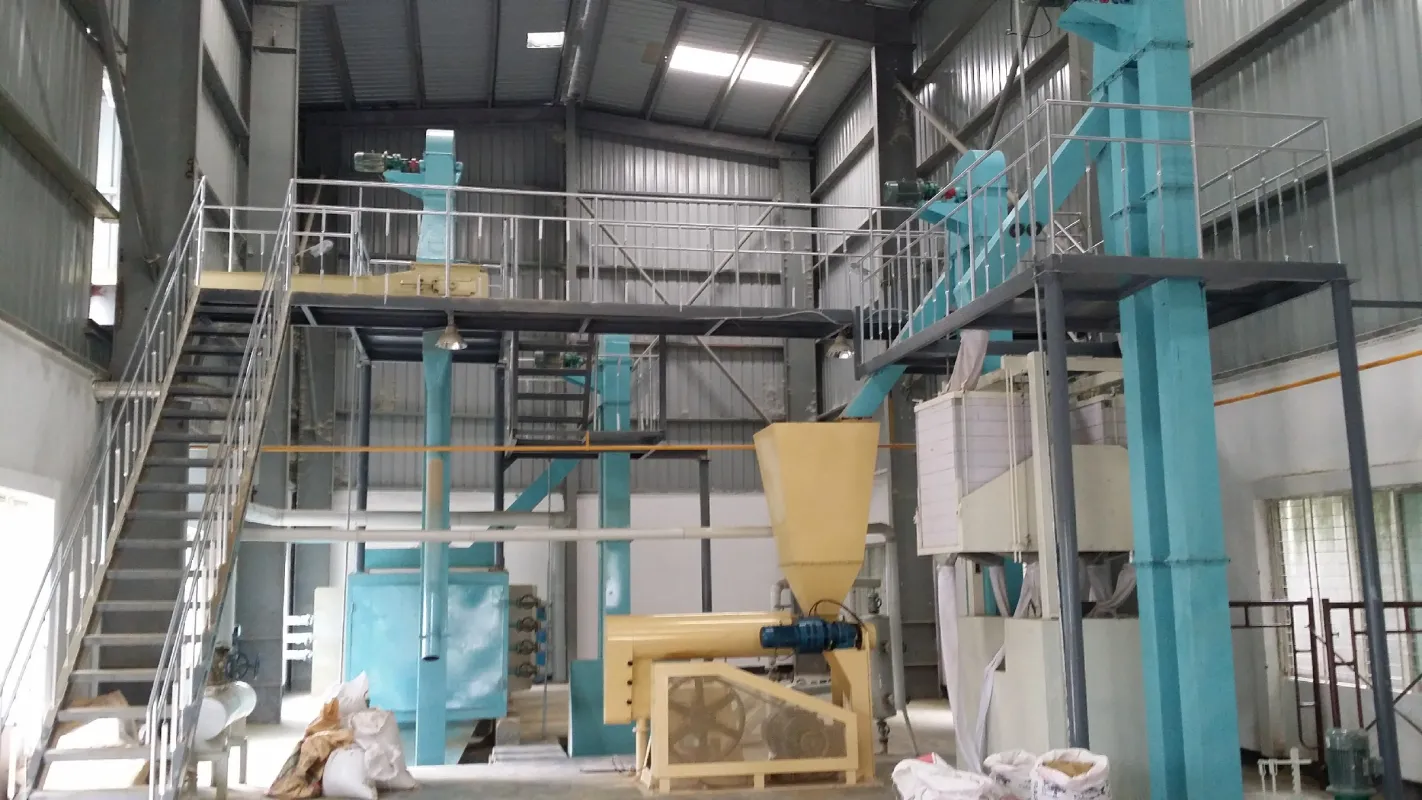
Cleaning is where you buy back production time. Effective cleaning reduces press torque spikes, lowers filter clogging, and improves final oil clarity. A typical cleaning set may include a vibrating screen, destoner, magnetic separator, and aspiration/dust removal.
Hygiene & safety control points
Dust management: fine seed dust is both a hygiene and safety issue; keep aspiration stable and filters serviced.
Magnet inspection: check metal capture daily; document findings to detect upstream wear.
Closed transfer: prefer covered conveyors to limit re-contamination after cleaning.
Efficiency boosters
Stabilize feed rate: aim for ±5% variation to keep downstream heating/pressing consistent.
Schedule a 10-minute screen check each shift to avoid sudden capacity drops.
Keep spare screen meshes and suction hoses on-site to prevent “small” failures becoming downtime.
3) Drying & Roasting: Flavor, Yield, and Stability Live Here
Whether producing light sesame oil or aromatic roasted sesame oil, temperature discipline is essential. Most operators target a controlled moisture and heat profile so the press runs smoothly and the oil’s aroma remains consistent.
Practical operating ranges (adjust to your recipe)
Many lines keep seed moisture around 3–5% before pressing. For roasting, a common band is 160–220°C depending on desired color and aroma, with careful residence time control to prevent burnt notes.
The key is repeatability: use calibrated sensors and record each batch/shift. A small drift in temperature can cause noticeable aroma changes—and will show up later as inconsistent customer feedback.
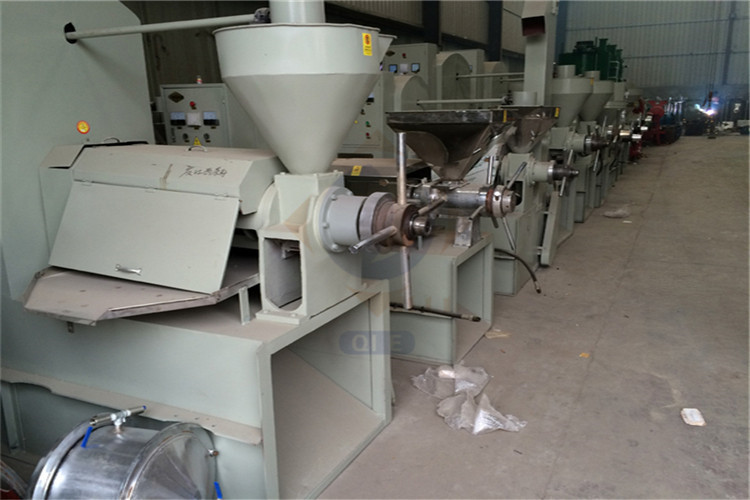
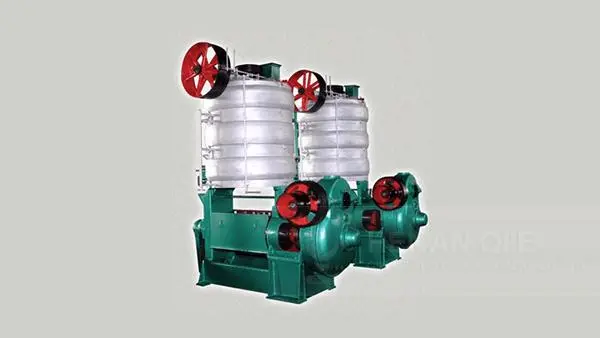
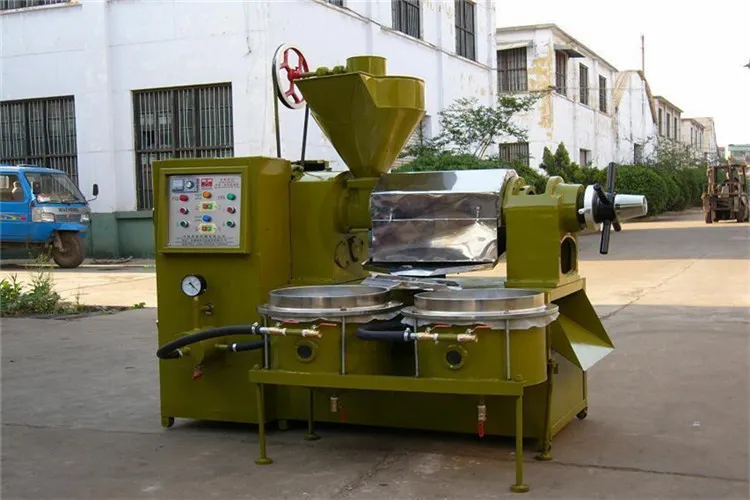
In a sesame oil production process, pressing should feel “boring.” That’s a good sign. Stable feed rate, stable temperature, and a well-maintained screw press reduce foaming, sediment, and surprise shutdowns.
What to monitor each shift
Motor load trend (watch for gradual increase: early sign of restriction or wear).
Oil temperature at outlet (too high accelerates oxidation; too low can raise viscosity and burden filtration).
Press cake appearance (uniform color and texture indicates stable pre-treatment).
Low oil output: verify moisture/roast profile first, then inspect wear on screw and barrel.
Excess sediment: confirm cleaning effectiveness; review filter media and differential pressure.
5) Filtration & Clarification: Where Buyers Judge “Professional Grade”
Filtration is not just aesthetics. Better clarity generally means lower insoluble impurities, improved stability, and fewer issues in automated bottling (like nozzle clogging or inconsistent fill levels).
A practical filtration approach
Many plants use staged filtration: a coarse step to remove larger particles, followed by finer filtration to achieve consistent clarity. Monitor pressure or flow drop—if it worsens quickly, upstream cleaning or press stability is usually the real cause.
For hygiene, keep filtration circuits closed where possible, minimize open exposure, and use food-grade gaskets and hoses that tolerate your cleaning chemicals.
6) Automatic Bottling & Packaging: Hygiene, Accuracy, and Line Rhythm
Automatic bottling is where operational discipline meets brand reputation. Even excellent oil can lose trust if packaging looks inconsistent or if caps leak during shipping. A well-tuned automatic filling system improves output and reduces labor variability.
Hygiene controls buyers care about
Separate “clean zone” for filling and capping; limit foot traffic and open containers.
Routine nozzle sanitizing plan (per shift or per batch, depending on your viscosity and run time).
Use covered buffer tanks and food-grade pumps to prevent re-contamination after filtration.
Output stability tactics
Maintain consistent oil temperature for steady viscosity—this improves fill accuracy.
Align conveyor speed with capping capacity to avoid micro-stops that reduce OEE.
Apply in-line checks: cap torque sampling, leakage checks, and label position audits.
Daily Maintenance & Troubleshooting: Keep the Line Profitable
Strong equipment performance is rarely about “big repairs.” It’s the small daily actions that prevent a half-day shutdown during peak orders. For many edible oil plants, basic preventive maintenance can reduce unplanned downtime by roughly 20–40% over a quarter, especially when logs are consistently followed.
Simple PM checklist (operator-friendly)
Every shift
Clean contact surfaces and remove seed/oil residue.
Check abnormal noise/vibration at press and pumps.
Inspect magnets and screen condition.
Weekly
Verify sensor calibration (temperature, flow/pressure if installed).
Inspect seals, gaskets, and hose clamps for micro-leaks.
Check motor belts/couplings and fastener tightness.
Best practice: log “before/after” readings (motor load, filtration pressure, output rate). Trendlines spot problems earlier than alarms.
Real-World Case: Hygiene + Rhythm Improved Throughput Without “Over-Upgrading”
A mid-sized sesame oil workshop in Southeast Asia reported frequent micro-stops at bottling and inconsistent clarity after storage. Instead of replacing the press, the team focused on three changes: upgraded cleaning discipline (screen/magnet checks), tightened roasting temperature recording, and converted the filling area into a controlled “clean zone.”
Measured results after 6–8 weeks (operator-reported)
Line stoppages: reduced by about 30% (mostly fewer nozzle clogs and cap issues).
Filter media consumption: reduced by about 15–25% due to better pre-cleaning stability.
Customer complaints on sediment: dropped noticeably after standardizing filtration checks and closed transfers.
The takeaway: process discipline often delivers ROI faster than replacing major equipment—especially in the first year of operation.
Sustainability is increasingly a buyer expectation in global food supply chains. Practical steps include better insulation on roasting/drying sections, reducing idle running time, and matching motor sizing to real throughput. Many plants find that improving heat management and avoiding long idling can cut energy usage by roughly 8–15% over time, depending on baseline conditions.
Quick wins
Warm-up and shutdown SOPs to reduce “half-heated” waste cycles.
Fix compressed-air leaks (if you run pneumatic valves) and keep pressure only as high as needed.
Use preventive cleaning to maintain heat transfer efficiency on roasting/drying surfaces.
Looking for a High-Efficiency, Energy-Saving Sesame Oil Production Line?
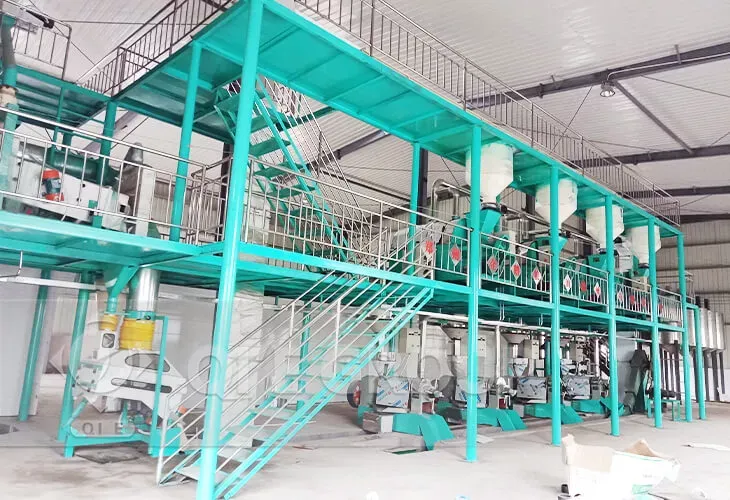
QIE Group supports processors with integrated solutions—from hygienic seed handling and stable pressing to filtration and automatic bottling—built for consistent quality, safer operation, and scalable throughput.
Request a process recommendation based on your target capacity, bottle type, and product style (light or roasted).
FAQ (what new operators ask first)
How do I improve sesame oil clarity without slowing the line too much?
Start upstream: stronger cleaning and stable roasting/pressing reduce solids entering filtration. Then use staged filtration and monitor differential pressure to change media at the right time, not too early or too late.
What’s the most common cause of frequent bottling nozzle clogging?
It’s usually a combination of inconsistent filtration (solids carryover) and temperature drift (viscosity changes). Closed transfer after filtration and routine nozzle sanitation also make a major difference.
How can I reduce breakdown risk in the first 90 days of operation?
Focus on daily logs, screen/magnet checks, stable feed rate, and spare parts readiness (screens, seals, gaskets). Most early downtime comes from small wear items and inconsistent upstream handling.