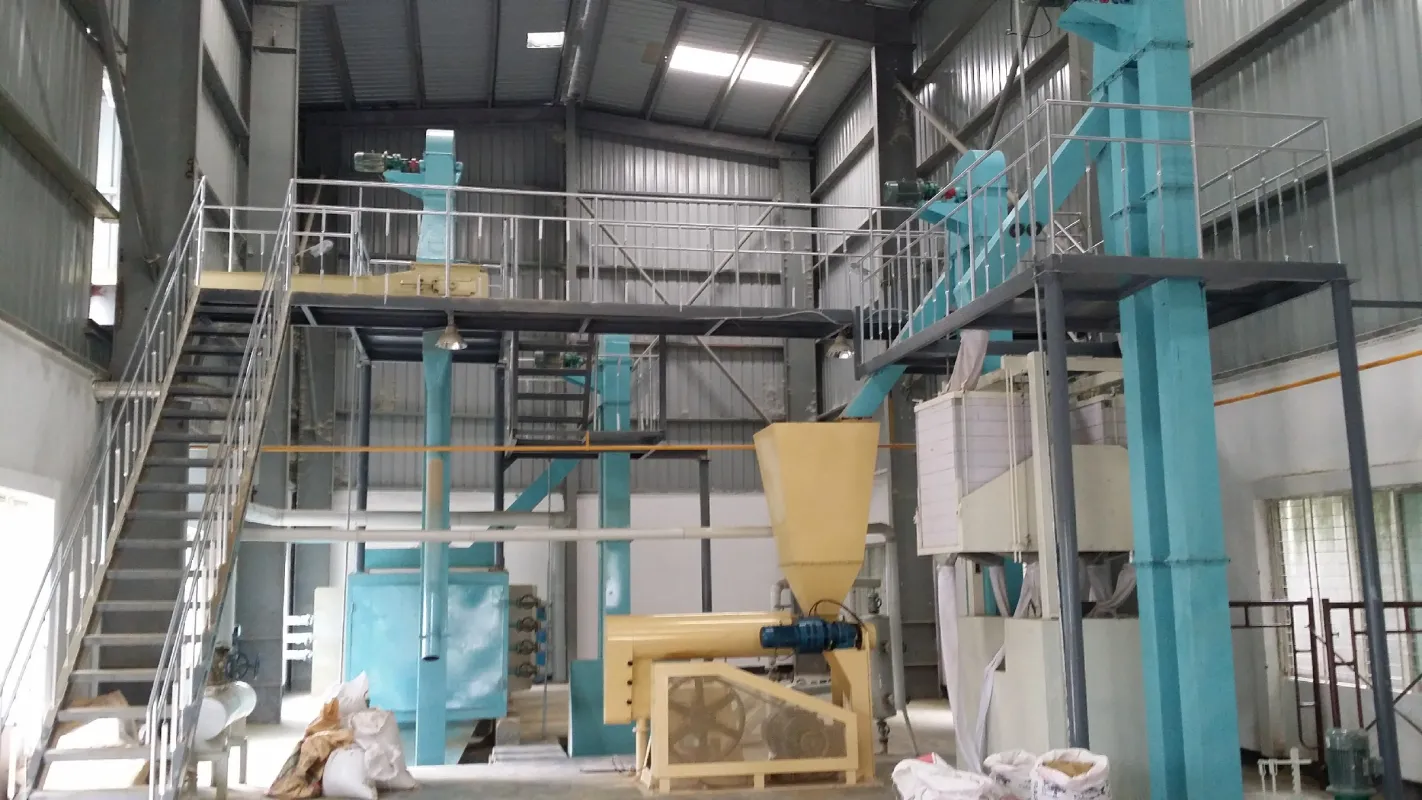
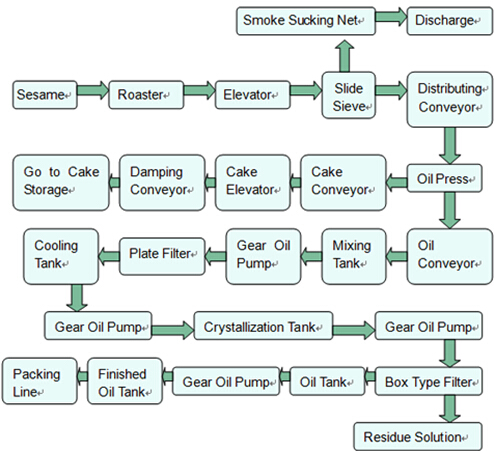
If you run (or plan to invest in) a sesame oil facility, your daily success is decided by two things: process discipline and hygiene control. Below is a practical, operator-facing guide to the sesame oil production line operation process—covering cleaning, drying, pressing, filtration, and automatic filling—plus the stability checks and common troubleshooting that keep output consistent.
You’ll also see where QIE Group typically helps manufacturers: fully enclosed intelligent lines designed to reduce contamination risk and improve repeatability—so every batch stays on-spec.
Remove dust, stones, metal; reduce microbial load.
Stabilize moisture for pressing yield and equipment safety.
Control temperature & feed rate; protect aroma and color.
Remove fines; stabilize clarity and shelf appearance.
Hygienic transfer, accurate fill, traceable packaging.
Operator rule: treat each arrow as a hygiene boundary. Your best quality gains often come from preventing re-contamination during transfers.
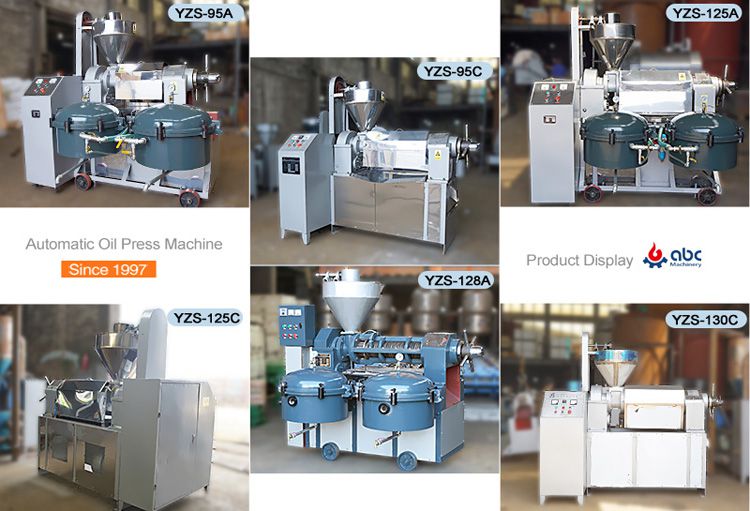
In real plants, contamination events rarely start at the press—they start with raw material handling. Your goal is to remove physical hazards (stones/metal), reduce biological load, and avoid cross-contact from dusty receiving zones.
Interactive tip: If your cleaning line is already running, click to review your raw material receiving checklist with the team and mark the top 3 contamination risks you see weekly.
Moisture swings cause unstable pressing, abnormal cake formation, and higher wear. In many sesame operations, a practical target is ~6–8% seed moisture before pressing (exact values depend on cultivar, roasting approach, and press design).
Seed moisture (incoming vs. conditioned)
Use a calibrated moisture meter; record results by lot.
Dryer temperature stability
Avoid hot spots; stable heat reduces odor changes and scorching risk.
Air filtration & dust control
Dust is both a contamination source and a safety hazard.
Condensation prevention
Condensation introduces moisture back into “clean” areas.
If you want stable output, treat conditioning as a control step, not a “pre-press warm-up.”
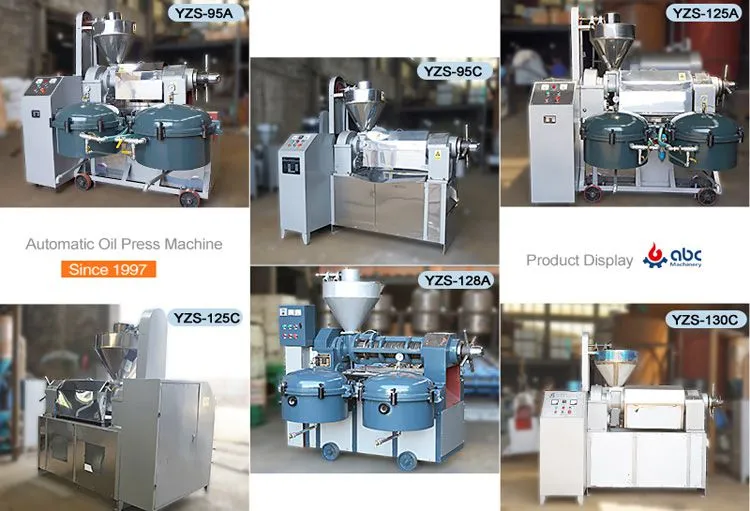
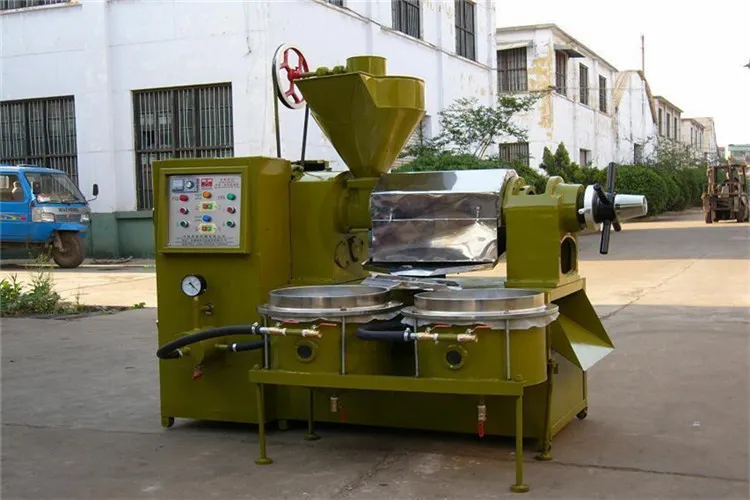
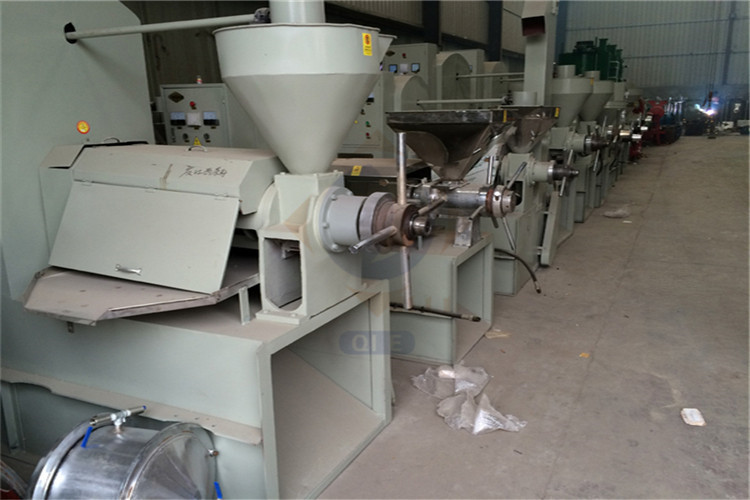
In a full automatic sesame oil machine setup, pressing looks “simple,” but your real work is controlling variables that affect flavor and stability: feed rate, press temperature, and wear condition.
If your plant runs multiple SKUs, keep a “golden settings” sheet per product: feed rate range, target temperature band, filtration differential pressure limits, and filling parameters.
A well-designed sesame oil filtration system does more than make the oil look bright—it protects your filling valves and reduces rework. In many lines, staged filtration (coarse → fine) improves stability and lowers filter media cost.
Practical warning: if you see frequent “sudden” ΔP spikes, you may be feeding too many fines from pressing—or your pre-filter step is undersized.
Bottling is where your brand reputation gets sealed—literally. Even if your oil is perfect, poor hygienic transfer or cap control can create oxygen exposure, leaks, and customer complaints. This is why food-grade production line design matters as much as output speed.
A stable sesame oil facility is built on small daily checks. Most “surprise breakdowns” are actually slow failures you could have seen earlier with a simple routine. Here’s a maintenance approach that fits real production pressure.
Press motor load trend
A gradual rise often signals wear, misalignment, or poor conditioning.
Bearing temperature & vibration
Early warnings for seizures and costly downtime.
Filter ΔP and pump cavitation signs
Noise + unstable flow indicates restriction or air ingress.
Cleaning verification
Visual + ATP swabs (where used) reduce “invisible” risks.
You notice a stable press output, but the filling line begins clogging more often. Operators clean valves more frequently, yet the issue returns. In many plants, the root cause is upstream: more fine solids passing filtration due to worn press parts or a changed seed lot producing more fines. The fix is not “clean more”—it’s adjusting conditioning, renewing wear parts, or upgrading staged filtration so your bottling hall stays truly clean.
If you manage people, not just machines, you already know the hardest part: one shift hits targets, the next shift “fights the line.” The simplest solution is to convert experience into standardized work that a new operator can follow on day one.
Interactive tip: ask your lead operator to train a new hire using only your written SOP. Every time they say “you just feel it,” you found a missing standard.
Sesame oil lines can be designed to be both scalable and responsible. In many facilities, a focused optimization project can reduce energy consumption by ~8–15% through insulation improvements, variable-frequency drives (VFD) on fans/pumps, and better heat utilization in conditioning. Capacity flexibility often comes from modular design: adding parallel presses or filtration skids without rebuilding your whole plant.
Smooth welds, minimal dead legs, food-grade seals, closed pipelines, and an equipment layout that supports one-way movement of materials. When you combine that with automation and traceability, your sesame oil production steps explained in a manual become real-world repeatable.
If you want higher hygiene assurance, steadier output, and easier operator training, QIE Group can help you design a line that fits your capacity, plant layout, and compliance goals—washing to sesame oil automatic bottling, with stable filtration and service-ready maintenance access.
 398
|
398
|
 cold-heat dual-mode pressing
hydraulic pre-press oil machine
oilseed pressing optimization
improve oil yield
industrial hydraulic oil press
239
|
energy-efficient sesame oil extraction equipment
closed-system sesame oil production line
automated sesame oil pressing machine
industrial sesame oil processing equipment
PLC-controlled oil extraction line
302
|
closed-loop sesame oil production line
sesame oil purity improvement
nutrient retention in sesame oil
low-temperature sesame oil pressing
sesame oil filtration and refining
300
|
rice bran oil refining equipment
core component material selection
corrosion resistant stainless steel for edible oil plants
automated rice bran oil refinery line
edible oil equipment after sales service
423
|
medium screw oil press machine
screw oil press working principle
structural optimization for oil press stability
integrated preheating and pressing oil extraction
energy-efficient vegetable oil pressing
cold-heat dual-mode pressing
hydraulic pre-press oil machine
oilseed pressing optimization
improve oil yield
industrial hydraulic oil press
239
|
energy-efficient sesame oil extraction equipment
closed-system sesame oil production line
automated sesame oil pressing machine
industrial sesame oil processing equipment
PLC-controlled oil extraction line
302
|
closed-loop sesame oil production line
sesame oil purity improvement
nutrient retention in sesame oil
low-temperature sesame oil pressing
sesame oil filtration and refining
300
|
rice bran oil refining equipment
core component material selection
corrosion resistant stainless steel for edible oil plants
automated rice bran oil refinery line
edible oil equipment after sales service
423
|
medium screw oil press machine
screw oil press working principle
structural optimization for oil press stability
integrated preheating and pressing oil extraction
energy-efficient vegetable oil pressing