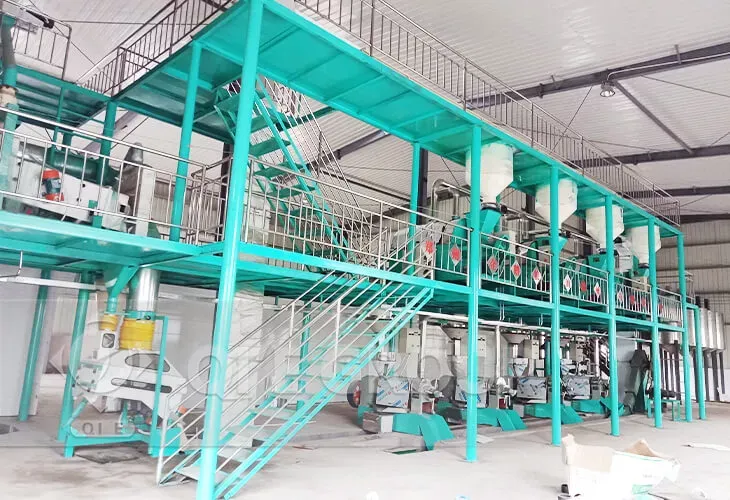
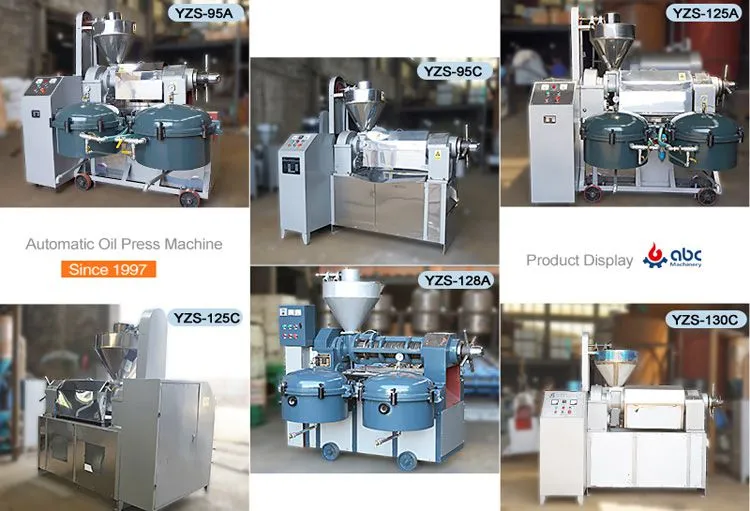
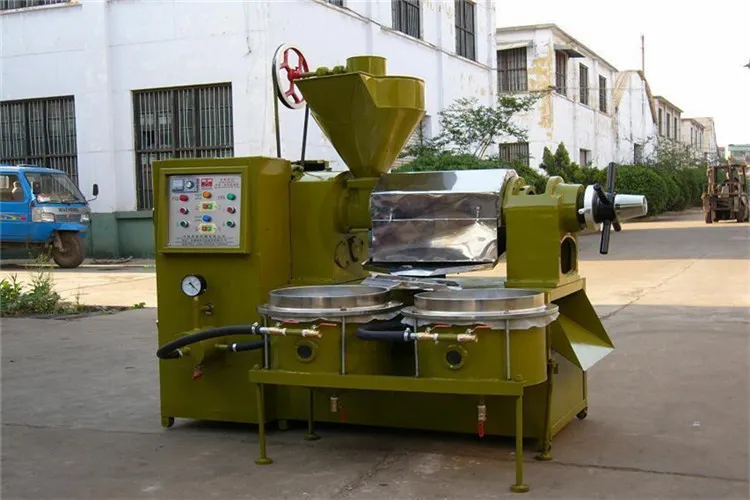
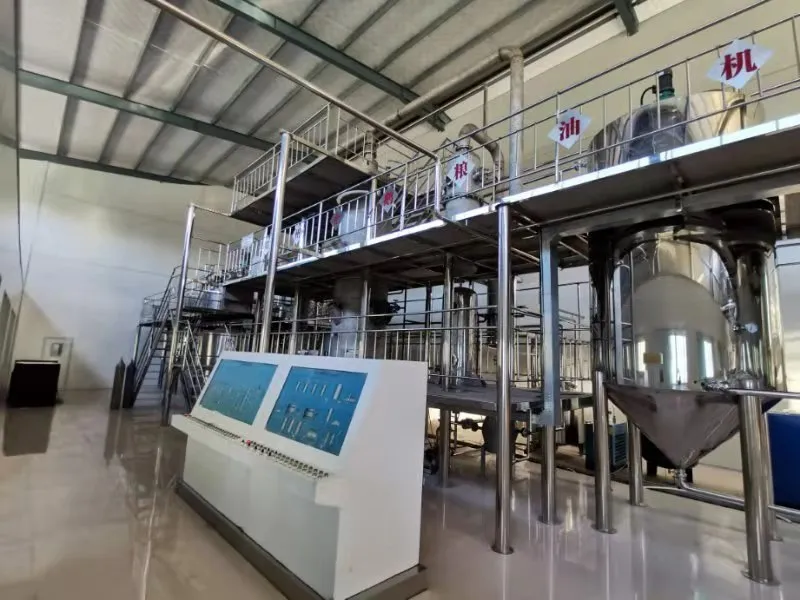
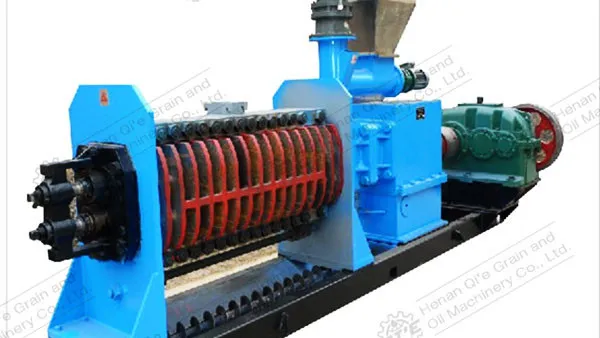
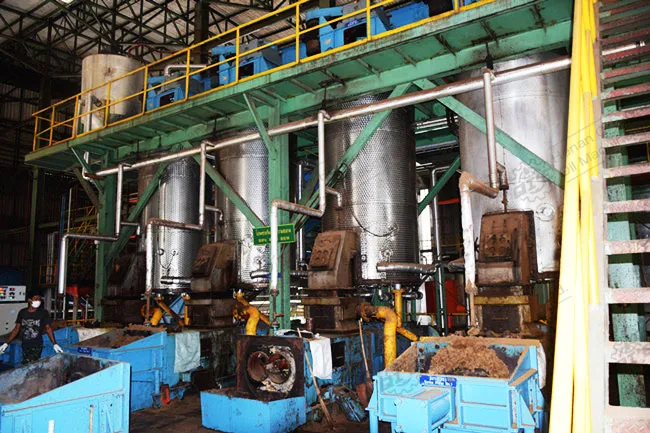
Grain & oil processing machinery refers to the equipment set used to convert oil-bearing materials (such as soybeans, sunflower seeds, palm kernels, and other vegetable oil feedstocks) into market-ready edible oil. In practice, a modern plant typically combines oil pressing equipment, solvent extraction systems, and edible oil refining machines—either as standalone sections or as a complete oil production line designed to run as one coordinated process.
How to use this page: If you are planning a new edible oil plant or upgrading capacity, this overview helps you map each stage (pressing → extraction → refining) and understand what to evaluate before selecting a production line solution.
“Grain & oil processing machinery” is an umbrella term for equipment that performs material handling, oil separation, purification, and finishing steps. In edible oil processing, the main functional blocks are:
Oil pressing is the most direct way to separate oil from oil-bearing materials. A pressing section is usually designed around the targeted feedstock and desired operating mode (continuous, automatic, or small-scale). In a plant layout, pressing often serves as the primary oil separation step and may also act as the front-end for an extraction section.
Solvent extraction is commonly used when processors want to recover oil remaining in press cake or to operate an extraction-focused process route. An extraction system is not only an extractor—its performance depends on how the full extraction loop is engineered, including solvent recovery and safe process integration.
Practical note: Extraction selection should consider site utilities, space, and how the section interfaces with upstream preparation and downstream refining. A “complete line” view helps avoid mismatched capacities across sections.
Refining is the section that conditions crude oil into a finished product that meets the processor’s quality targets. In a production line, refining is also where operational consistency is strongly influenced by equipment configuration, control, and how stable the upstream oil supply is.
| Refining focus | What it aims to achieve | Why integration matters |
|---|---|---|
| Stability of finished oil | Consistent processing outcomes based on the chosen refining configuration | Upstream variation affects refining load and operating window |
| Process efficiency | Efficient, repeatable refining runs aligned with plant capacity targets | A balanced line reduces bottlenecks between pressing/extraction and refining |
| Operational controllability | Clear operating logic and easier coordination across sections | Unified design supports steady flow, utility planning, and control strategy |
A complete oil production line is more than a list of machines. It is a process system where capacities, conveying, utilities, and control points are designed to match each section. For edible oil processors and project planners, this “equipment map” approach helps reduce commissioning risk and supports smoother daily operation.
1) Pressing
Primary oil separation (mechanical)
2) Extraction
Residual oil recovery (process route dependent)
3) Refining
Quality conditioning and consistency
4) Line integration
Conveying, utilities, and control coordination
Qieji Group focuses on R&D, manufacturing, sales, and service for grain & oil machinery—including oil pressing equipment, solvent extraction systems, edible oil refining machines, and complete oil production line equipment. In addition to supplying machinery, we support customers with engineering-oriented coordination such as line design alignment, installation guidance, and technical service—so each stage works together as an integrated process.
Explore typical line and machine categories frequently used in edible oil plants:
To match machinery to your actual production goals, it helps to confirm key inputs early:
If you share your feedstock, target capacity, and preferred process route, Qieji Group can help you outline a clear equipment configuration across oil pressing equipment, solvent extraction, and edible oil refining—and translate it into a coordinated oil production line.
 458
|
458
|
 energy-saving sesame oil extraction equipment
closed-system sesame oil production line
automated sesame oil processing system
heat recovery and temperature control for oil extraction
modular sesame oil extraction line configuration
215
|
rapeseed oil pretreatment process
rapeseed oil yield improvement
rapeseed seed cleaning and dehulling
rapeseed conditioning and cooking control
rapeseed flaking process optimization
304
|
closed-loop sesame oil production line
sesame oil purity improvement
nutrient retention in sesame oil
low-temperature sesame oil pressing
sesame oil filtration and refining
161
|
peanut oil refining process
temperature control in oil refining
pressure control for oil extraction
peanut oil yield improvement
automated oil pressing system
473
|
sesame oil production line
sesame oil production process
sesame oil equipment maintenance
automatic bottling line
oil press troubleshooting
energy-saving sesame oil extraction equipment
closed-system sesame oil production line
automated sesame oil processing system
heat recovery and temperature control for oil extraction
modular sesame oil extraction line configuration
215
|
rapeseed oil pretreatment process
rapeseed oil yield improvement
rapeseed seed cleaning and dehulling
rapeseed conditioning and cooking control
rapeseed flaking process optimization
304
|
closed-loop sesame oil production line
sesame oil purity improvement
nutrient retention in sesame oil
low-temperature sesame oil pressing
sesame oil filtration and refining
161
|
peanut oil refining process
temperature control in oil refining
pressure control for oil extraction
peanut oil yield improvement
automated oil pressing system
473
|
sesame oil production line
sesame oil production process
sesame oil equipment maintenance
automatic bottling line
oil press troubleshooting