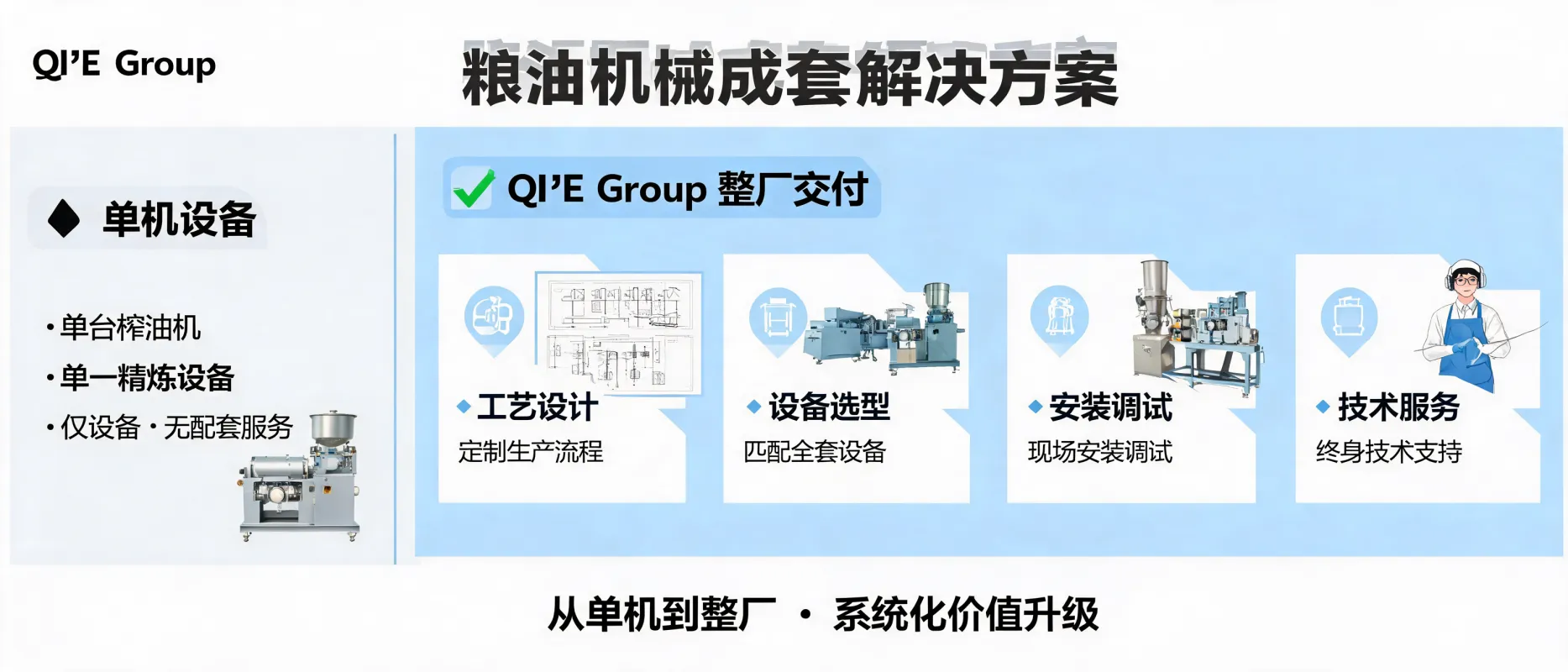
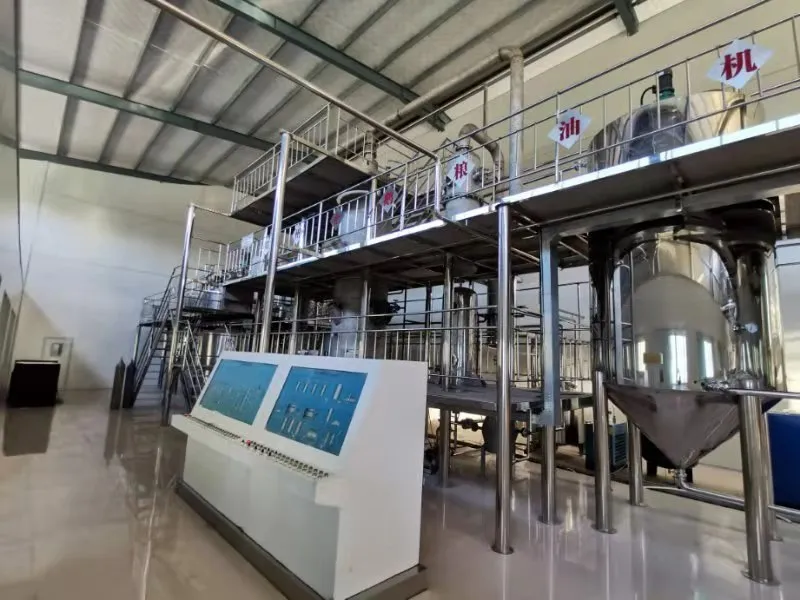
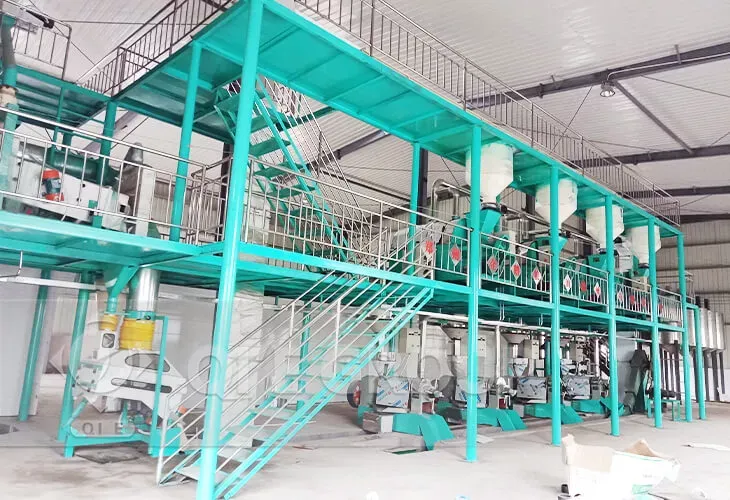
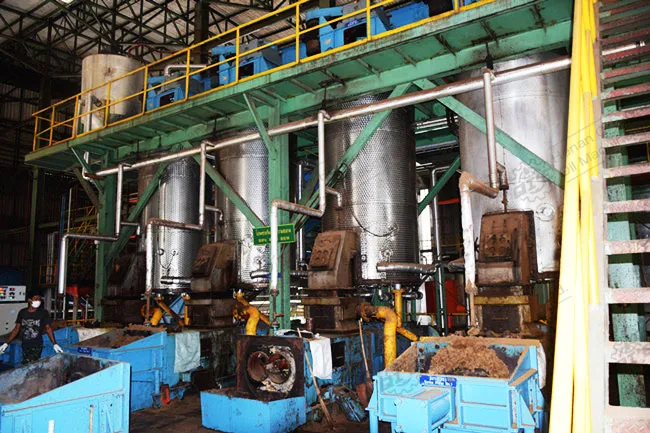
Grain & oil machinery equipment typically falls into three practical categories for B2B project planning: single oil pressing machines, complete oil production line equipment (e.g., a soybean oil production line), and edible oil refining plants. Understanding the boundary between them helps you size capacity, define scope, and avoid over- or under-investment.
This page is provided by Qi'e Grain and Oil Machinery Co., Ltd. (企鹅集团), a grain & oil machinery manufacturer focused on oil pressing equipment, oil production line systems, and edible oil refining equipment for customers across Asia, Africa, and South America.
In real projects, “grain & oil machinery equipment” is not one machine—it is a process-oriented equipment set. The key is to align equipment scope with your product targets (crude oil vs. refined edible oil), raw material (e.g., soybean), and plant constraints (utilities, space, safety, and operator skill level).
| Category | Primary role | Typical scope | When to choose |
|---|---|---|---|
| Oil pressing equipment | Mechanical oil extraction | Standalone press and supporting feeding / filtration components | Pilot lines, small operations, or when mechanical extraction is preferred |
| Oil production line equipment | Continuous processing from pre-treatment to extraction | Raw material handling + cleaning + preparation + extraction + desolventizing | New factory builds, throughput planning, and stable quality control |
| Edible oil refining equipment | Upgrading crude oil to edible-grade oil | Degumming, neutralization, bleaching, deodorization; optional winterization | When you must meet edible oil quality and stability requirements |
Equipment selection is easier when you first define your “end point”: crude soybean oil (extraction-focused) or refined soybean oil (extraction + refining).
A soybean oil production line is a complete oil production line system designed around soybeans. In practice it combines pre-treatment, extraction (solvent or mechanical), and the necessary separation / recovery steps to produce crude oil and valuable by-products such as soybean meal and lecithin.
Solvent extraction
Soybean flakes are treated with a solvent (commonly hexane) to dissolve the oil; the mixture is then separated and the solvent is recovered and reused.
Mechanical extraction
Oil is extracted by pressing; it is an option for certain project preferences, while extraction efficiency may differ from solvent methods.
If your target is edible-grade soybean oil, refining equipment becomes the next boundary layer after extraction. A typical edible oil refining sequence may include:
| Refining step | Purpose | Common output |
|---|---|---|
| Degumming | Remove phospholipids (gums) to improve stability | Cleaner crude oil stream for downstream processing |
| Neutralization | Reduce free fatty acids using alkali (e.g., caustic soda) | Neutral oil + soapstock |
| Bleaching | Remove pigments and trace impurities with bleaching earth/activated carbon | Lighter color, improved appearance |
| Deodorization | Remove volatile odor/taste compounds under vacuum at elevated temperature | Refined, odorless and tasteless oil |
| Winterization (optional) | Cool and filter to remove waxes that cause haze at low temperature | Better clarity for refrigerated applications |
Note: exact refining configuration depends on target standards, product positioning, and local compliance requirements. Your project scope should define whether you need a full edible oil refining plant or partial refining modules.
As a grain & oil machinery equipment provider, Qi'e Grain and Oil Machinery Co., Ltd. delivers more than machines. Our scope typically covers equipment configuration for oil pressing equipment, complete oil production line equipment (including soybean oil production line solutions), and edible oil refining equipment, with supporting services such as design coordination, installation guidance, and technical service aligned to project needs.
For project discussion, prepare: target daily/annual capacity, raw material profile (soybean origin and cleanliness), desired product grade (crude vs. refined), available utilities, and your preferred automation level. These inputs help define whether you need single oil pressing equipment, full oil production line equipment, and/or an edible oil refining plant.
 123
|
123
|
 small peanut oil plant equipment
modular peanut oil processing line
peanut oil production capacity optimization
automated peanut oil machine line
energy-efficient peanut oil processing
111
|
sesame oil production line
sesame oil processing flow
sesame oil pressing machine operation
sesame oil filtration system
automatic sesame oil bottling line
304
|
closed-loop sesame oil production line
sesame oil purity improvement
nutrient retention in sesame oil
low-temperature sesame oil pressing
sesame oil filtration and refining
314
|
rapeseed oil pretreatment process
rapeseed oil yield improvement
seed cleaning and destoning
conditioning moisture temperature control
flaking process optimization
98
|
peanut oil refining process
roasting temperature optimization
peanut oil yield improvement
nutrient retention in edible oils
PLC temperature control system
small peanut oil plant equipment
modular peanut oil processing line
peanut oil production capacity optimization
automated peanut oil machine line
energy-efficient peanut oil processing
111
|
sesame oil production line
sesame oil processing flow
sesame oil pressing machine operation
sesame oil filtration system
automatic sesame oil bottling line
304
|
closed-loop sesame oil production line
sesame oil purity improvement
nutrient retention in sesame oil
low-temperature sesame oil pressing
sesame oil filtration and refining
314
|
rapeseed oil pretreatment process
rapeseed oil yield improvement
seed cleaning and destoning
conditioning moisture temperature control
flaking process optimization
98
|
peanut oil refining process
roasting temperature optimization
peanut oil yield improvement
nutrient retention in edible oils
PLC temperature control system